 KitGuru KitGuru.net – Tech News | Hardware News | Hardware Reviews | IOS | Mobile | Gaming | Graphics Cards


There is no doubt that the PC industry has set its sights on the living room. It is this trend which has brought us Steam Machines, the Steam Controller and lapboards such as the Roccat Sova and Corsair Lapdog. UK Gaming Computers aims to harness this drive for living room gaming with its Styx system, a small and stylish PC perfectly suited for being connected to a HDTV.
However, it is not enough to simply fill a small HTPC case with cheap hardware and proclaim ‘job done.' Rather, enthusiasts want full-fat, desktop-grade hardware in a much smaller package. It is for this reason the UK Gaming Computers' Styx system packs in a Skylake Core i5 processor, 8GB of Corsair DDR4, and a Nvidia GTX 960. With a total price of £705.99 including Windows 10, is the Styx the living room PC you should be buying?
Specifications
- Fractal Design Node 202 mini ITX case
- Corsair SF450 450W PSU
- Intel Core i5 6500 3.2Ghz Processor
- Asus H110I-Plus Motherboard
- 8GB Corsair Vengeance LPX 2400MHz DDR4 RAM
- Nvidia GeForce® GTX 960 2GB Graphics Card
- Samsung 500GB 850 Evo Solid State Drive
- 7.1 Surround Sound Audio
- 4 Rear USB 2.0 and 2 Front USB 3.0 & 2 Rear USB 3.0 Ports
- Gigabit Ethernet
- Advanced cable management
- Lifetime Support
- Standard 6 year warranty
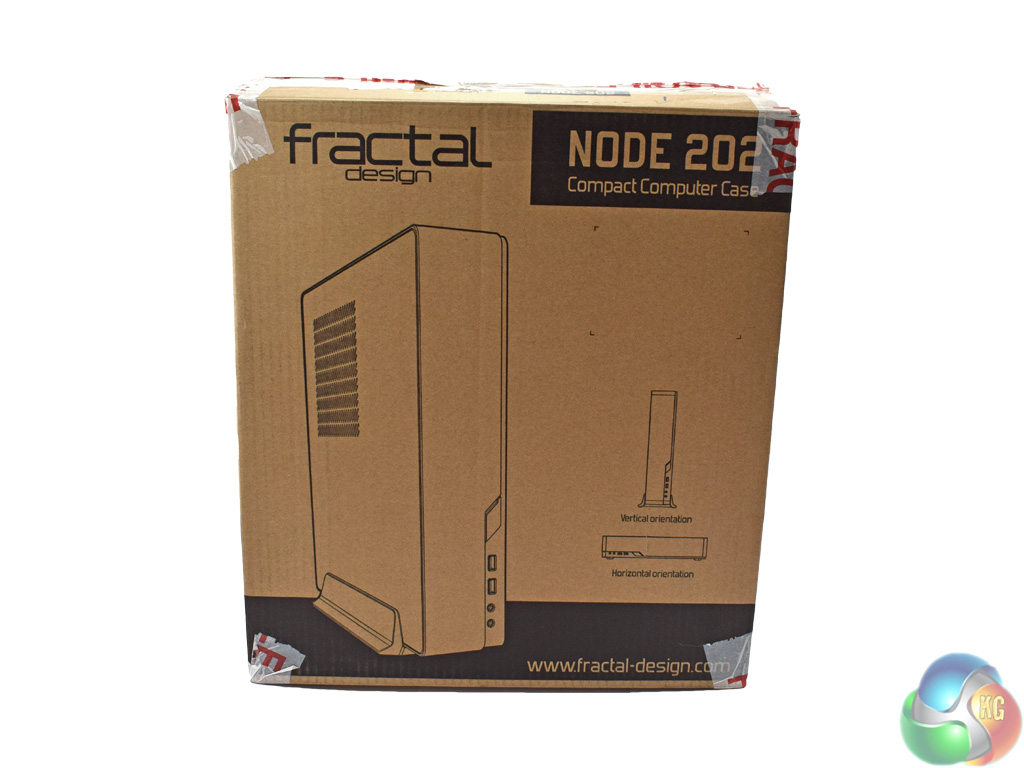
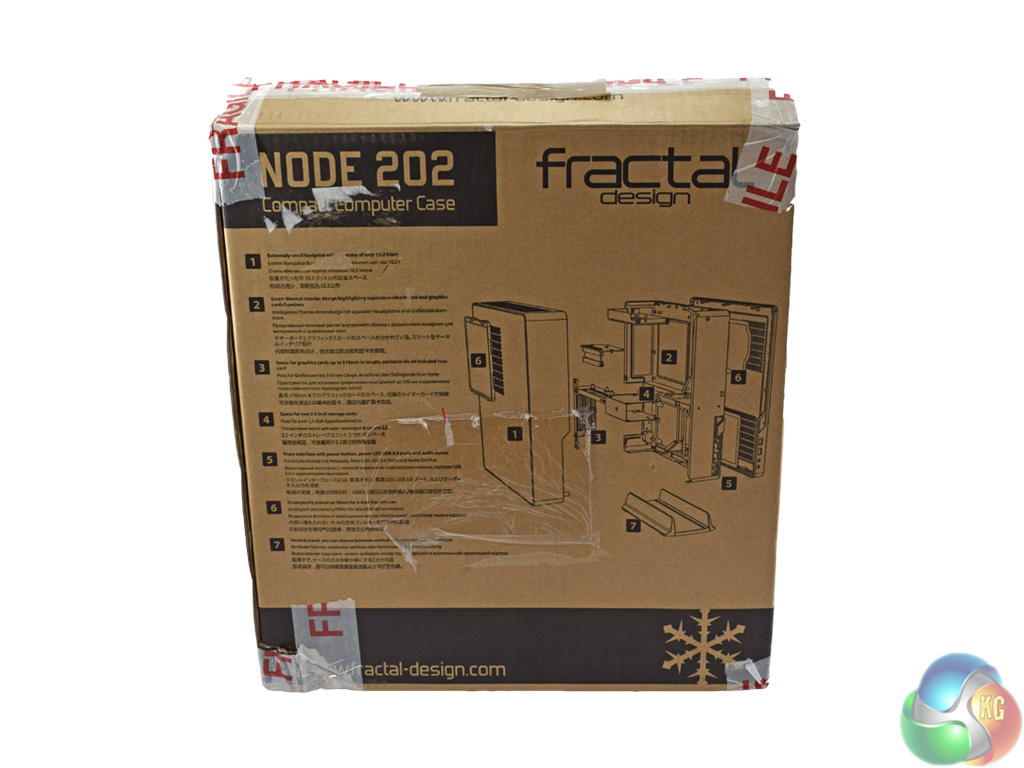
The UK Gaming Computers' (or UKGC) Styx PC comes packaged in the Fractal Node 202 box – obviously as that is the case the PC is built in.
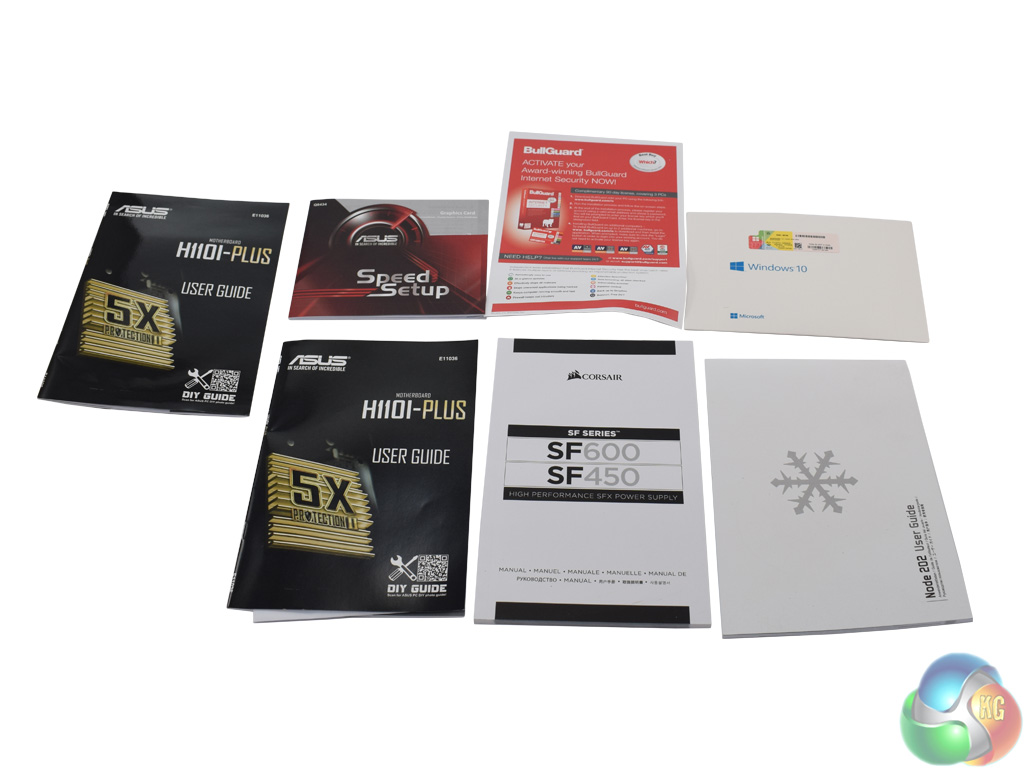
Inside, along with the fully-built system, UKGC include all the product booklets for the individual parts that are used in the Styx.
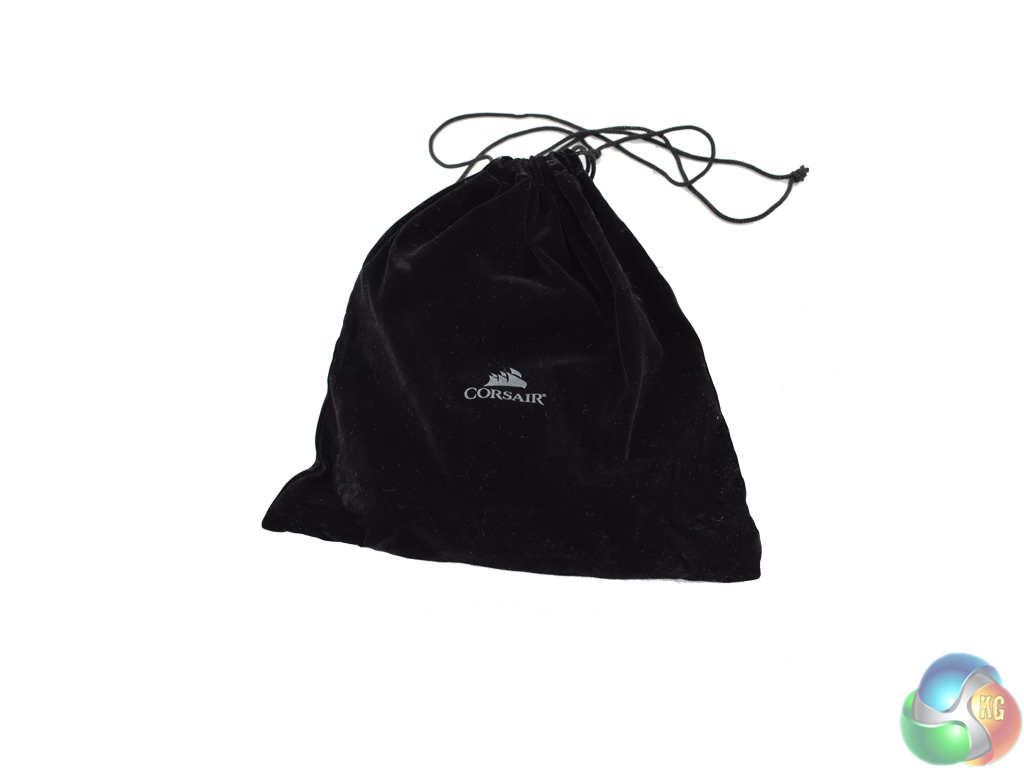
Also included is the felt bag from which the Corsair SFX PSU was taken. Inside is a kettle lead to ensure you have everything necessary to get the Styx up-and-running as soon as possible.
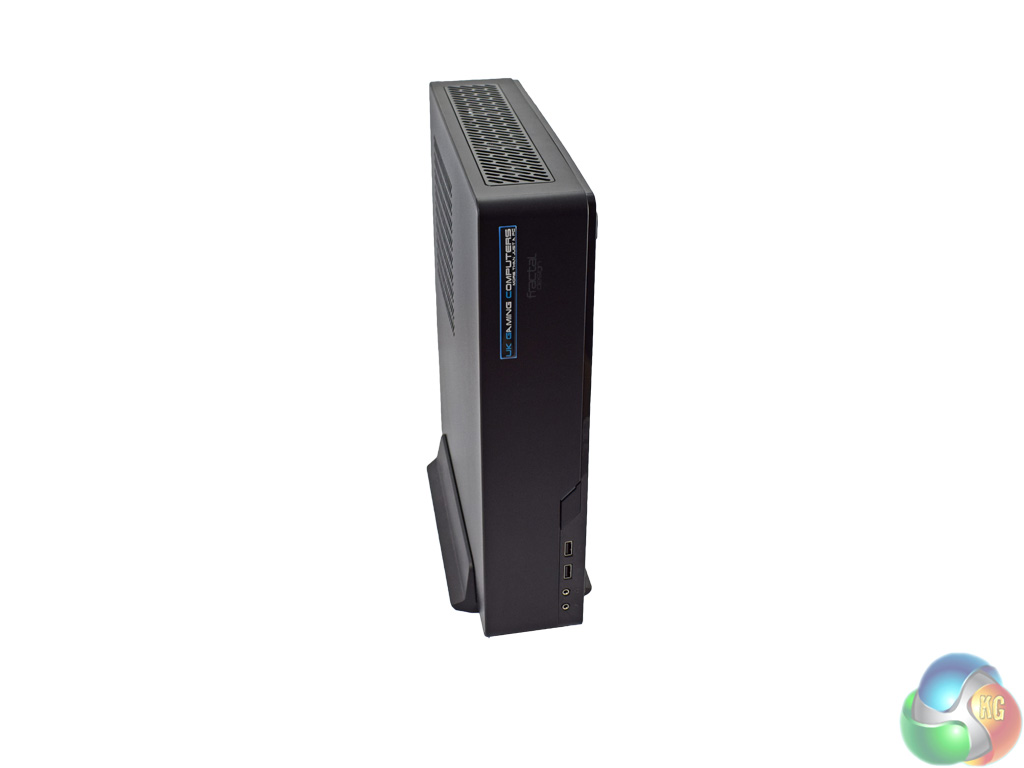
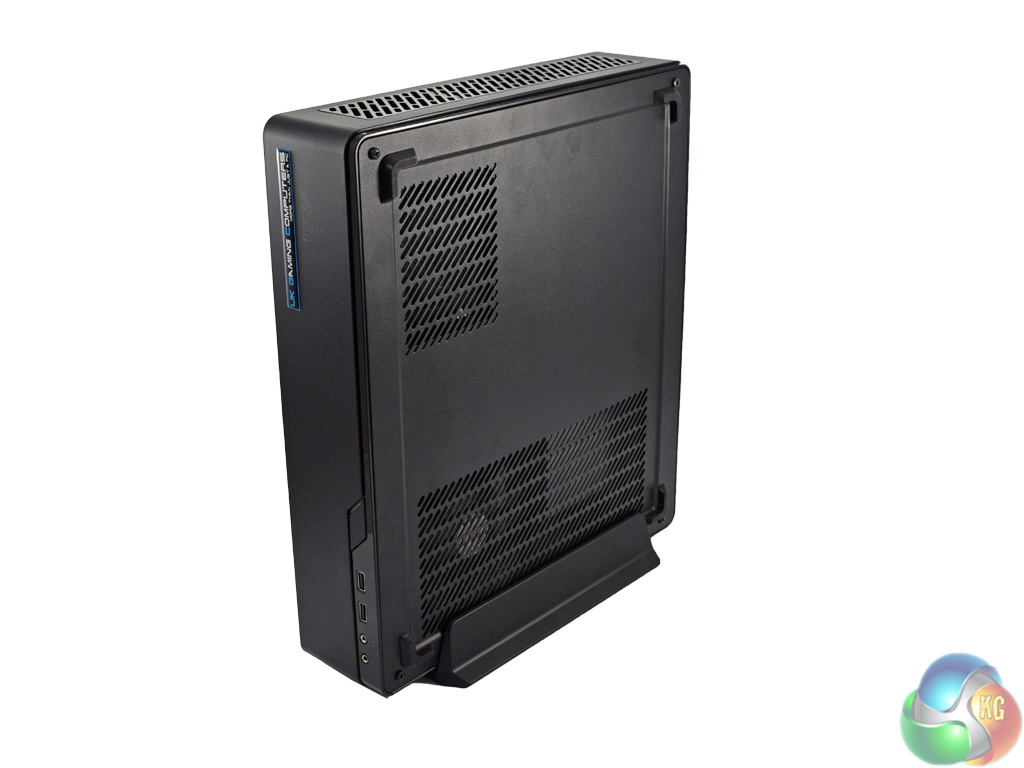
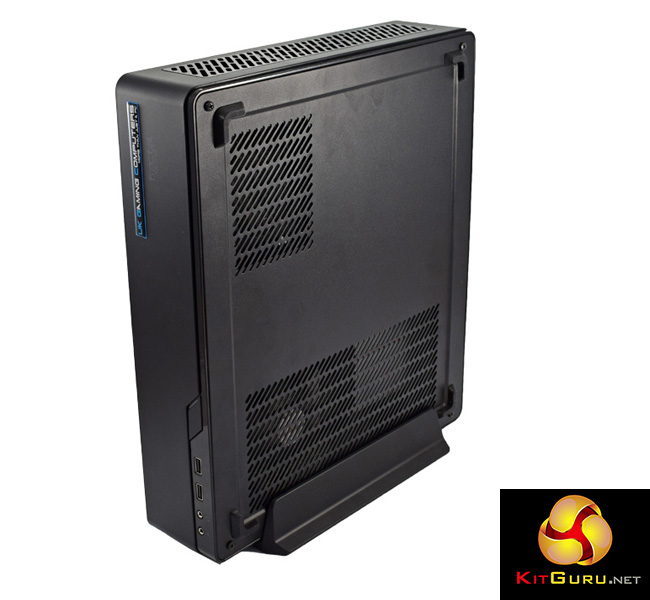
Built in the Fractal Node 202, the Styx is a very sleek and stylish system. We reviewed the Node 202 last year, and it is definitely worth pointing out just how small it is. Measuring 385mm x 332mm x 125mm, it is undoubtedly the smallest desktop case I have ever seen in-person.
The front I/O is basic, with 2x USB 3.0, two audio jacks and a power button.
On the sides of the case are mesh grilles – to aid air ventilation. Two of these grilles are covered by dust filters – one for the CPU cooler, another for the sole intake fan on the base of the case.
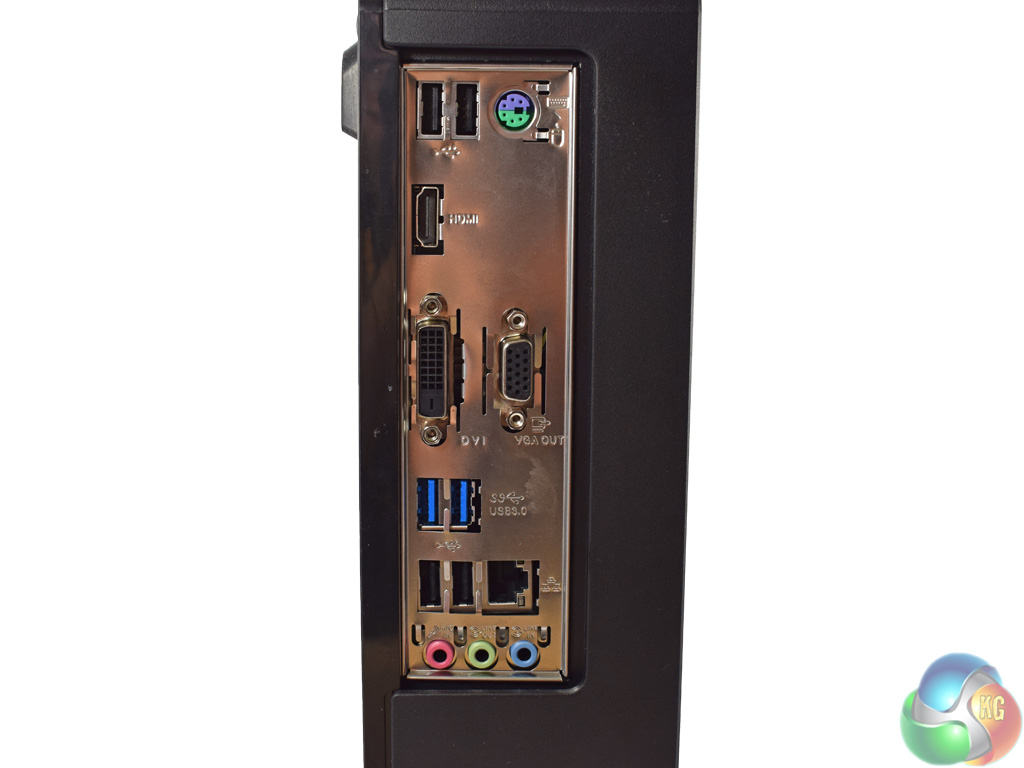
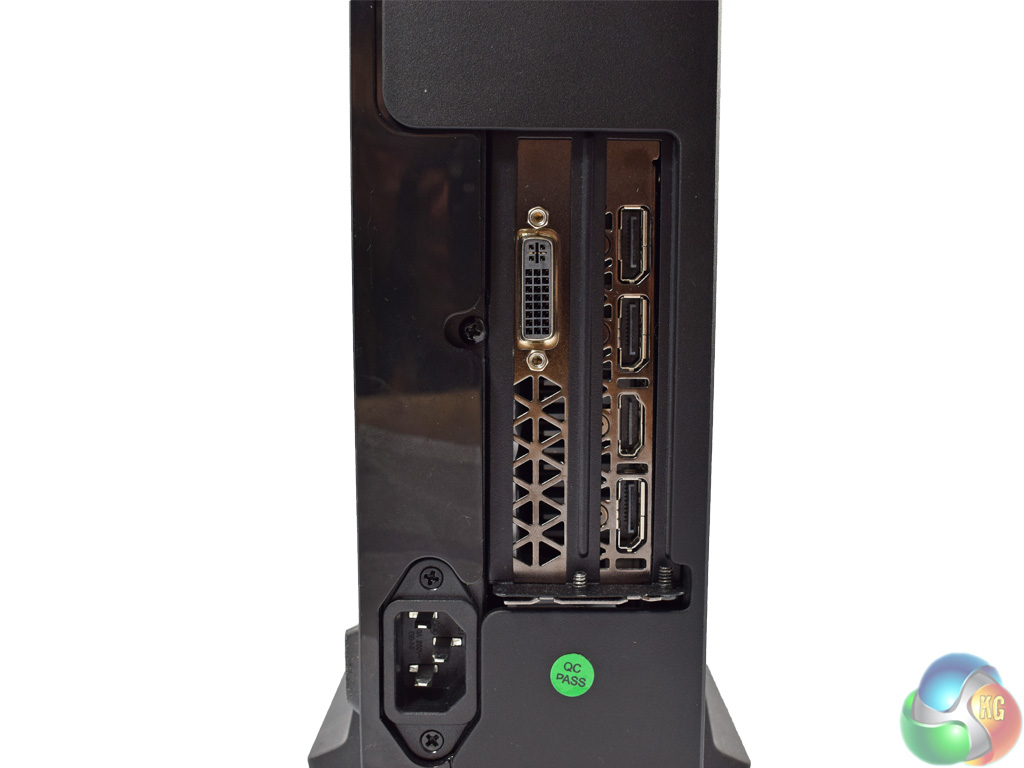
Above you can see the motherboard I/O panel, as well as the connectors on the graphics card.
The motherboard has a limited array of ports, but this is to be expected from a budget mini-ITX board. The graphics card (GTX 960) has the standard array of 3x DisplayPorts, 1x HDMI and 1x DVI connector.
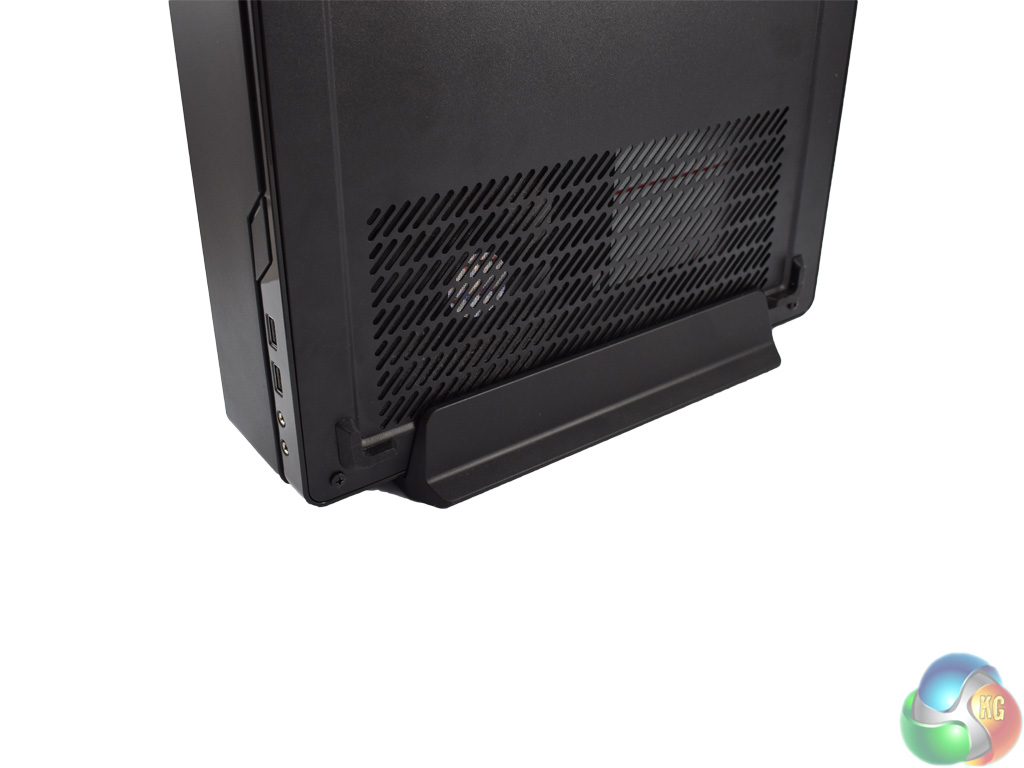
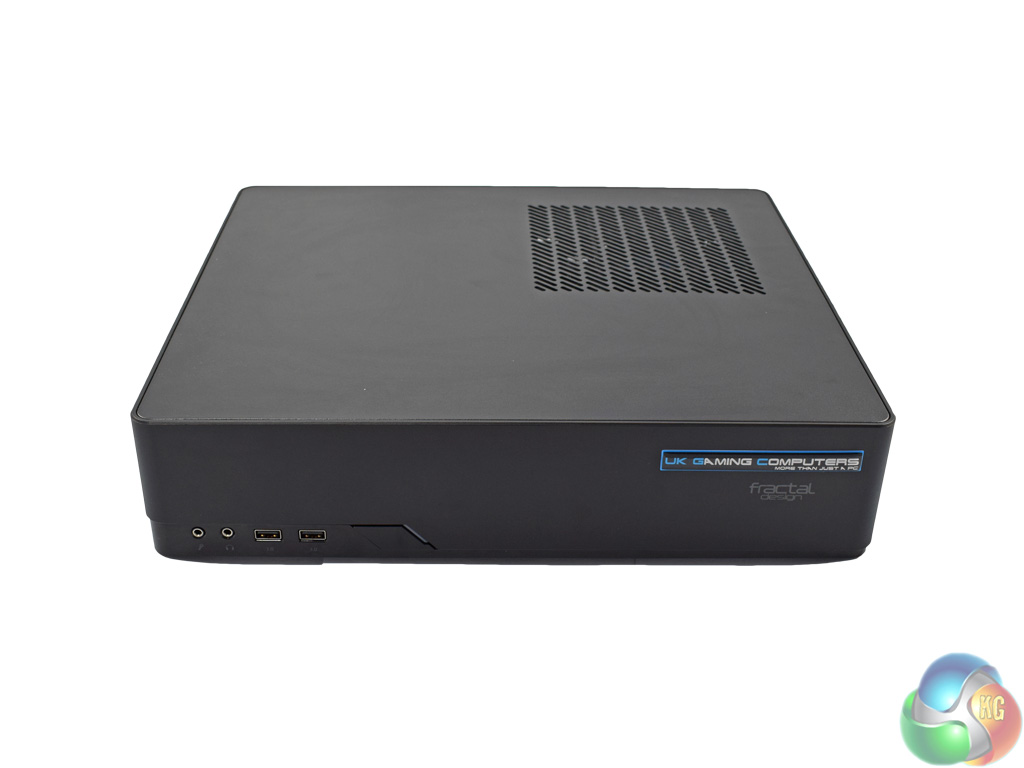
While the Node 202 does come with a supporting stand to allow the case to sit upright, it can also rest horizontally on four rubber feet. This means it can be positioned however you want – perhaps horizontally under a TV (like a games console or DVD player), or vertically as with traditional PCs.
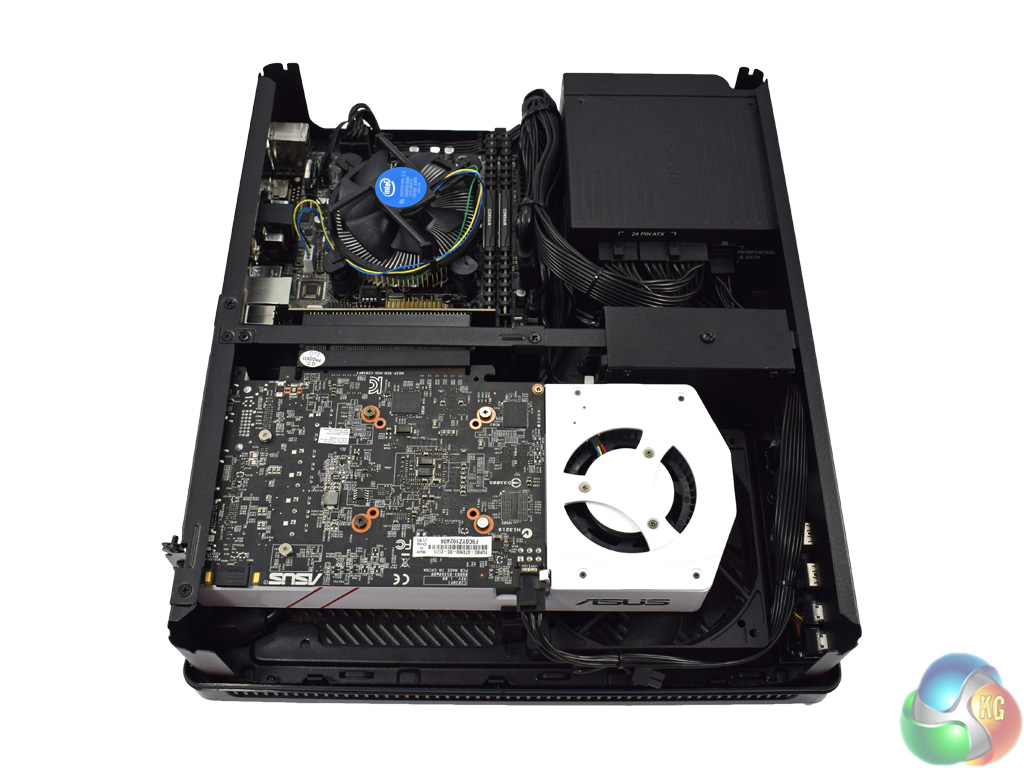
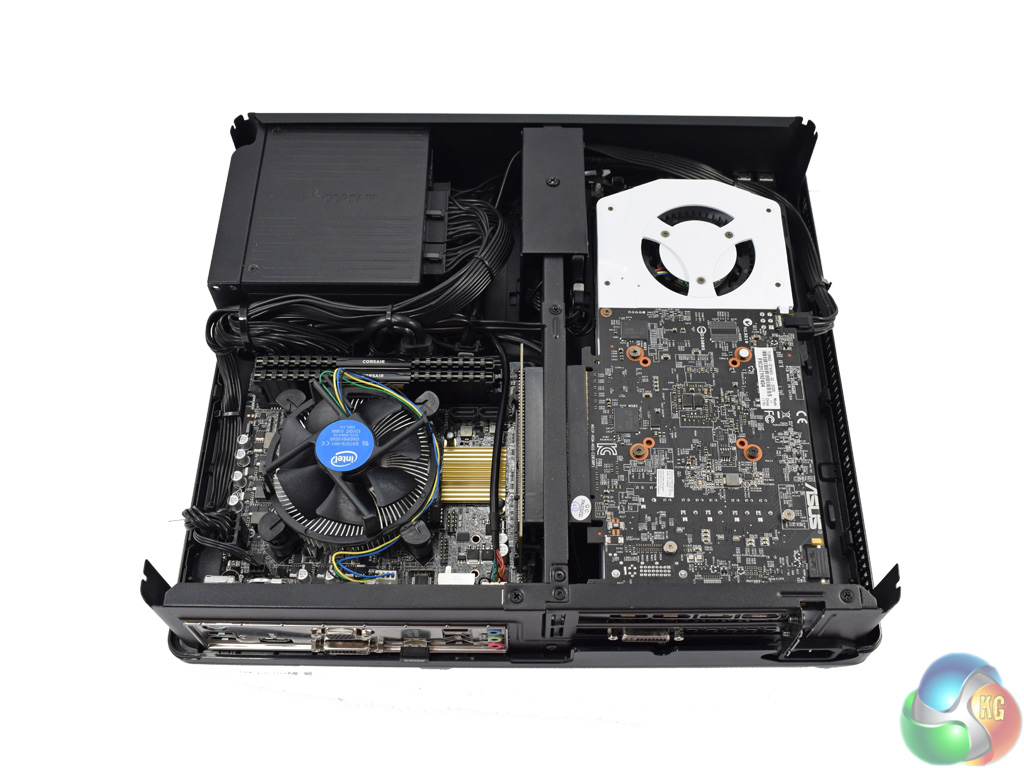
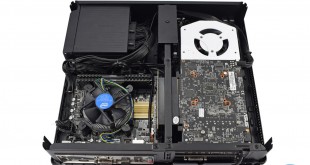
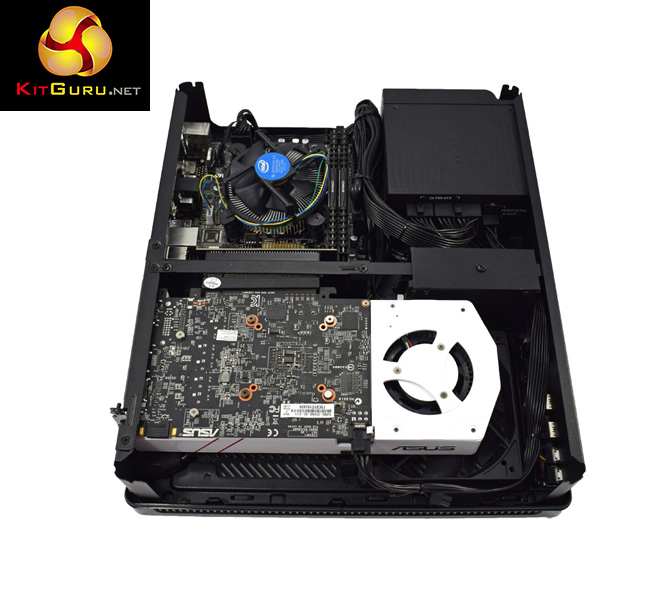
Once four screws are removed from the base of Node 202, we get a first look at the innards. The Node 202 uses a ‘dual-chamber' design, with the bulk of the components situated in the top half of the case. The GPU sits on its own in the bottom half.
On first impressions, too, UKGC has done a very good job with cable management. The case is so thin there is really nowhere for the cables to go, but they are neatly cable-tied together and tucked away between the RAM and PSU, leaving the motherboard easy to access.
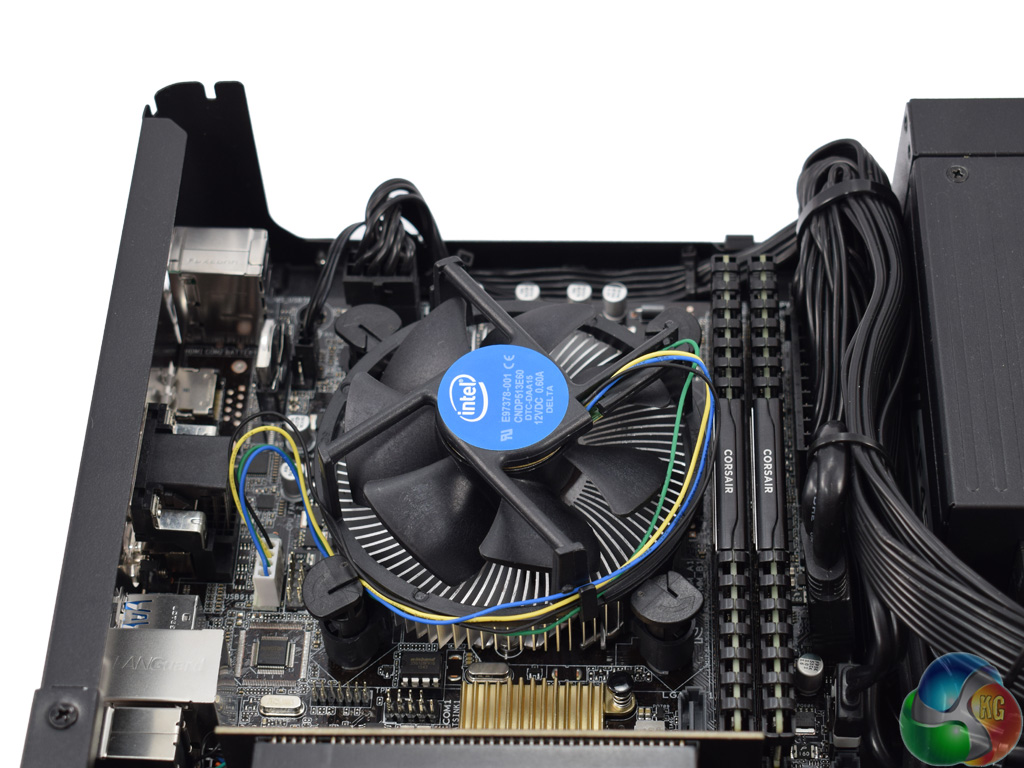
The Styx uses an Intel Core i5-6500, clocked at 3.2GHz. The motherboard is an Asus H110I-Plus Mini-ITX board, while 2x4GB of 2400MHz Corsair DDR4 fills both RAM slots. While the H110 board does not support RAM speeds faster than 2133MHz, meaning the the 2400MHz Corsair RAM will have to run slower than specified, UKGC have assured us money has not been wasted.
Rather, UKGC are able to get the faster RAM for the same price as the 2133MHz memory, so going for the faster kit means users have better hardware should you carry the RAM over to a different system.
Another point to note is the locked CPU. I think the i5-6500 is a sensible choice in such a small case. An i5-6600K obviously allows better performance via overclocking, but this also produces extra heat – which is very hard to deal with in a case as small as the Node 202. The i5-6500 provides a good compromise by giving solid performance without causing the Node 202 to get too toasty.
Because the i5-6500 runs cooler, use of the Intel stock cooler is not an issue. Granted, it is not especially pretty, but the Node 202 does not have a window – so it is not on show. As our temperature testing shows, it can get the job done – and saves cash that would have gone on a third party cooler.
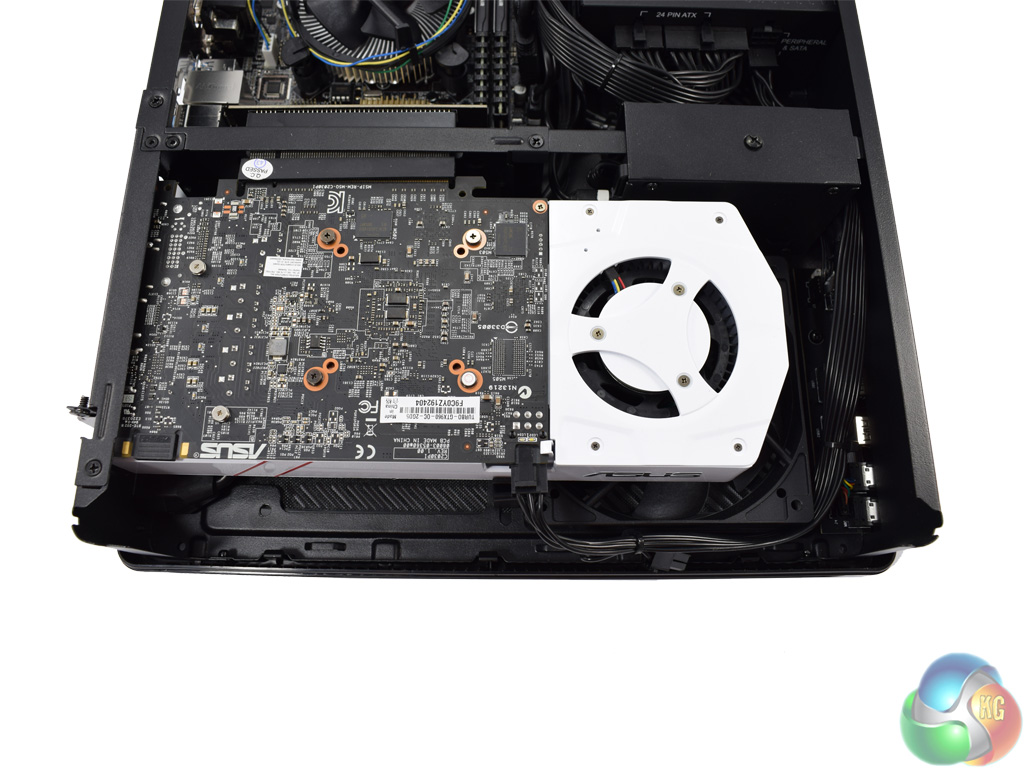
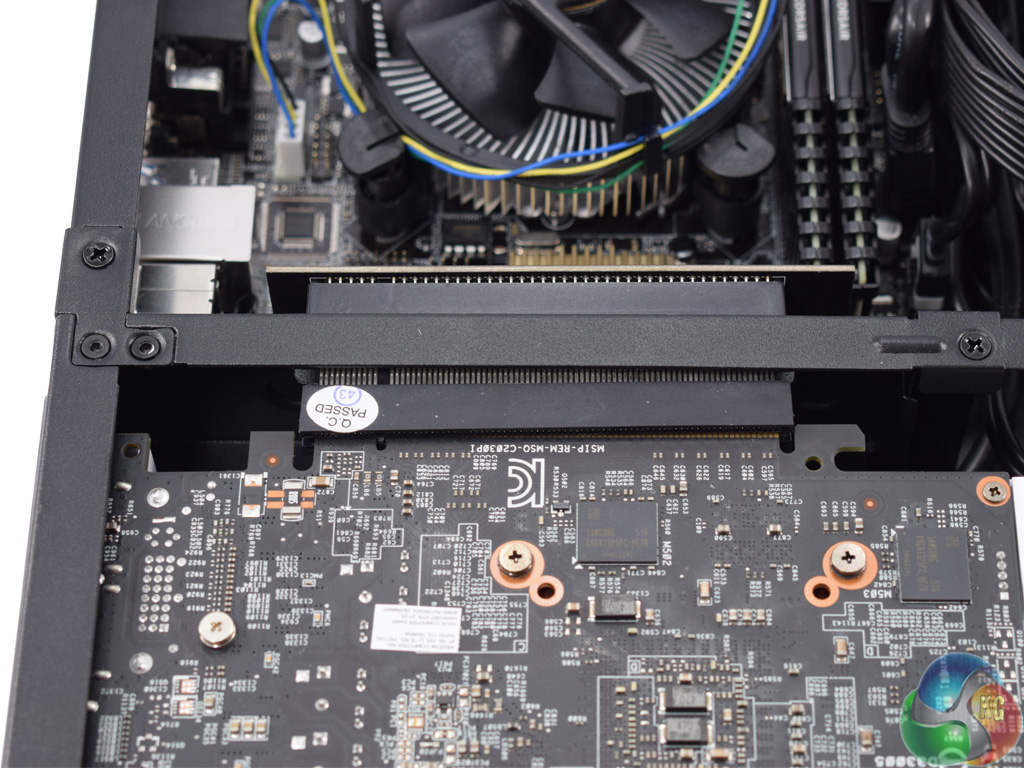
Above we get a closer look at the GPU, a Nvidia GTX 960. This particular model is the 2GB Asus Turbo. It connects to the motherboard via a PCIe riser card, allowing the card to be mounted vertically in its own chamber. This keeps the two hottest components in a build (the CPU and GPU) well away from each other, enabling the Node 202 to better dissipate the components' heat.
The Turbo GTX 960 uses a blower-style cooler, which is another sensible choice. These cards intake air and run it over the GPU before emptying it outside the case – which means the hot air is not left circulating through the case, as with other graphics cards. In a case as small as the Node 202, this a wise move as there are no exhaust fans. The GPU leaving hot air in this case would be terrible for the thermal safety of the components.
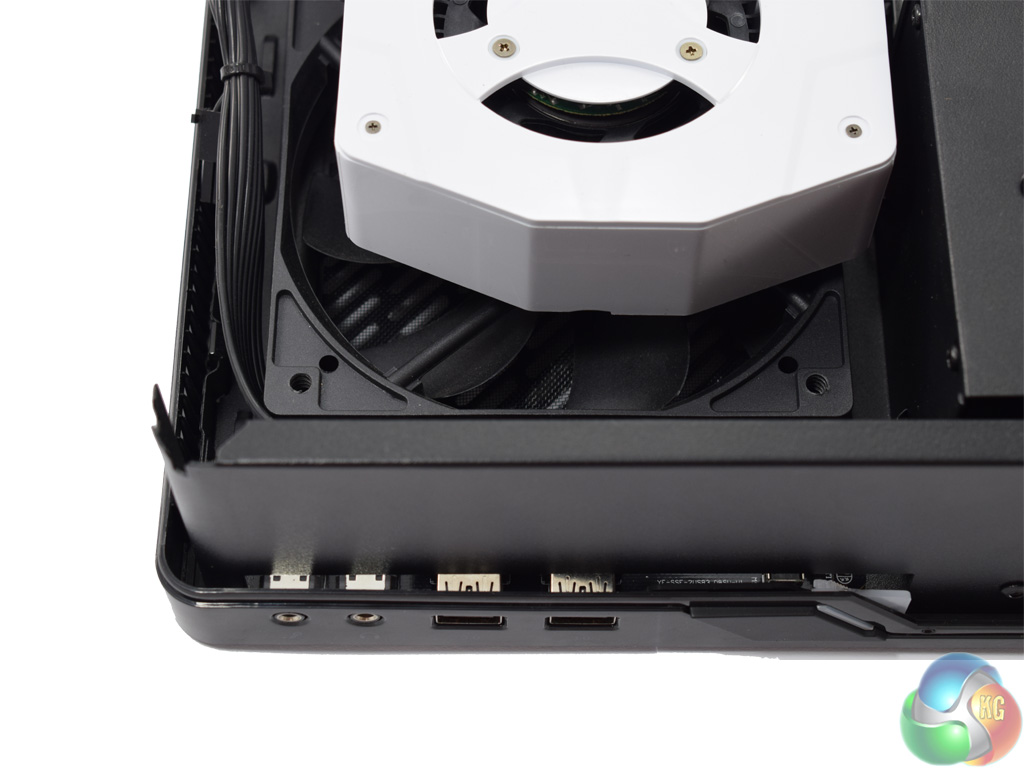
Just under the GPU is the sole intake fan, which directly feeds the graphics card.
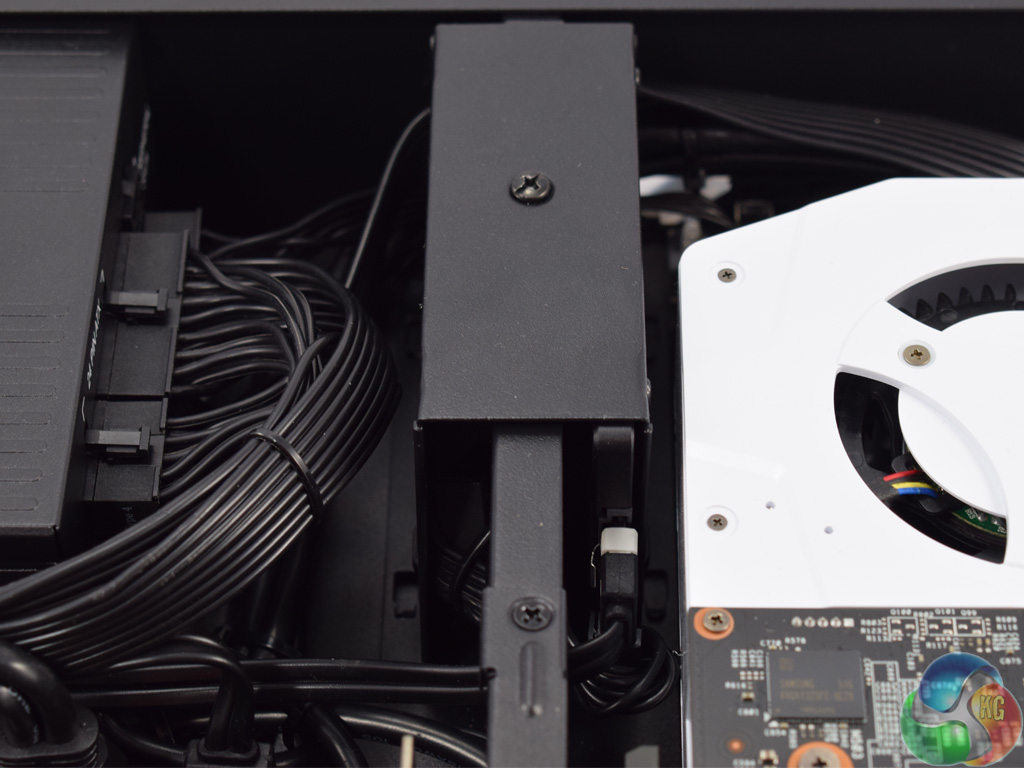
The Samsung Evo 850 500GB SSD is housed in the dual-2.5inch mounting bracket, which you can see above. 500GB should be enough for a living room machine, and I would much rather have a bigger SSD than add in a 2.5inch hard drive – I find 2.5inch HDDs are tediously slow and fairly noisy. The Node 202 does not allow the mounting of 3.5inch drives.
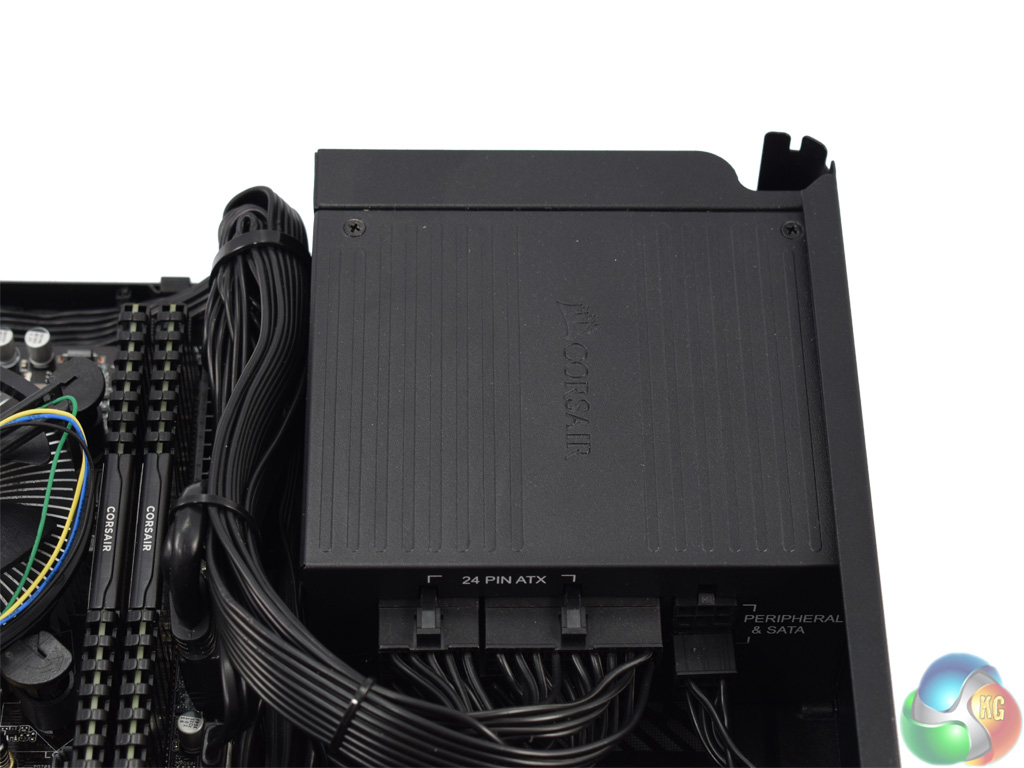
Finally, the power supply is the Corsair SF 450. We reviewed it here along with its bigger brother, and found it to be a very capable power supply. In my experience, the fan on the SF 450 did not spin at all, even under the heaviest load I could put the Styx through. This is because power draw from the Styx is relatively low, as we will come to later.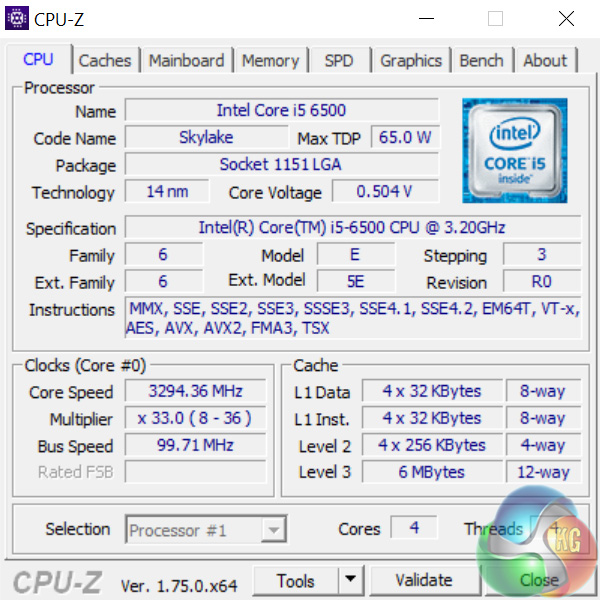
The UKGC Styx has the i5-6500 at its heart, which has a base clock of 3.2GHz and turbos to 3.6GHz, while its TDP is just 65W. Above you can see an overview of the processor thanks to CPU-Z.
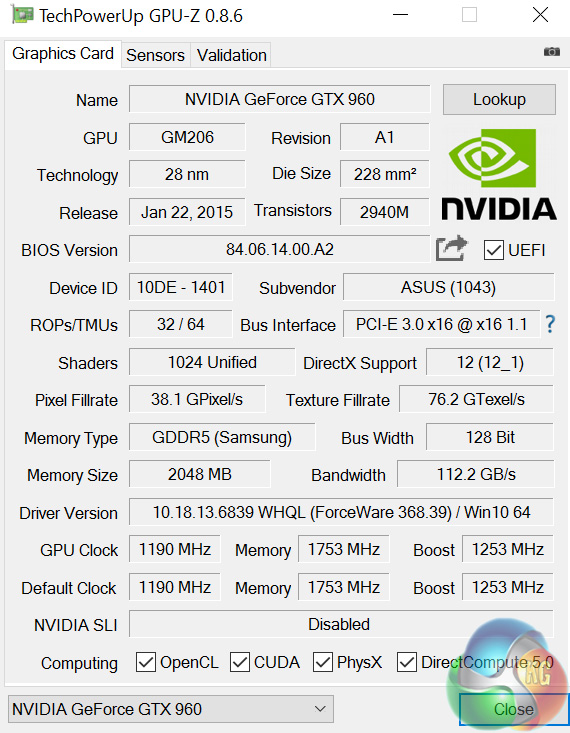
The Asus Turbo GTX 960 2GB has a base clock of 1190MHz and boosts to 1253MHz. A screenshot of GPU-Z is above. For this review, the latest 368.39 GeForce driver was used.
Comparison Systems
Where applicable, I compare the Styx with the following systems:
- Dell Inspiron 15 7559
- ECS LIVA X
- ECS LIVA X2
- PCSpecialist Lafité
- Dell Latitude 13 7370
- My personal desktop with a Core i3-4160, 8GB DDR3 and a GTX 960.
Test software
- SiSoft Sandra
- Cinebench R15
- Handbrake
- CrystalDiskMark
- ATTO Disk Benchmark
- 3DMark 11
- 3DMark
- Prime 95 (version 26.6)
- CPUID HWMonitor
Test games
- Tomb Raider
- GRID Autosport
- Middle Earth: Shadow of Mordor
- Grand Theft Auto V
All games are tested at the 1920×1080 resolution.
SiSoftware Sandra (the System ANalyser, Diagnostic and Reporting Assistant) is an information & diagnostic utility. It should provide most of the information (including undocumented) you need to know about your hardware, software and other devices whether hardware or software.
Sandra is a (girls') name of Greek origin that means “defender”, “helper of mankind”. We think that’s quite fitting.
It works along the lines of other Windows utilities, however it tries to go beyond them and show you more of what’s really going on. Giving the user the ability to draw comparisons at both a high and low-level. You can get information about the CPU, chipset, video adapter, ports, printers, sound card, memory, network, Windows internals, AGP, PCI, PCI-X, PCIe (PCI Express), database, USB, USB2, 1394/Firewire, etc.
Native ports for all major operating systems are available:
- Windows XP, 2003/R2, Vista, 7, 2008/R2 (x86)
- Windows XP, 2003/R2, Vista, 7, 2008/R2 (x64)
- Windows 2003/R2, 2008/R2* (IA64)
- Windows Mobile 5.x (ARM CE 5.01)
- Windows Mobile 6.x (ARM CE 5.02)
All major technologies are supported and taken advantage of:
- SMP – Multi-Processor
- MC – Multi-Core
- SMT/HT – Hyper-Threading
- MMX, SSE, SSE2, SSE3, SSSE3, SSE 4.1, SSE 4.2, AVX, FMA – Multi-Media instructions
- GPGPU, DirectX, OpenGL – Graphics
- NUMA – Non-Uniform Memory Access
- AMD64/EM64T/x64 – 64-bit extensions to x86
- IA64 – Intel* Itanium 64-bit
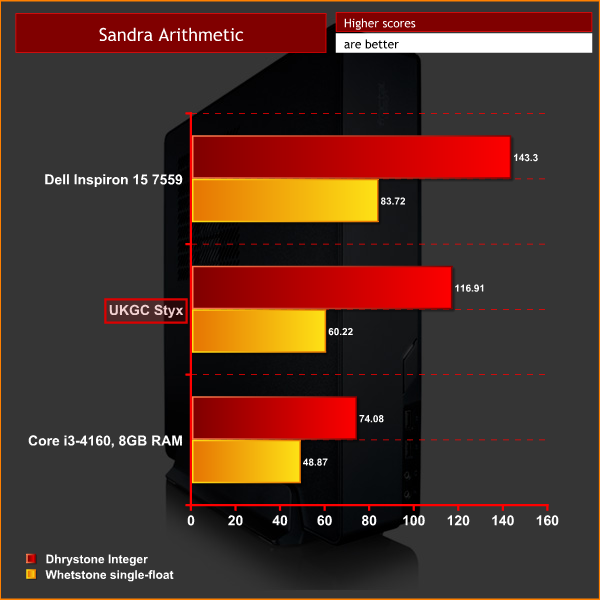
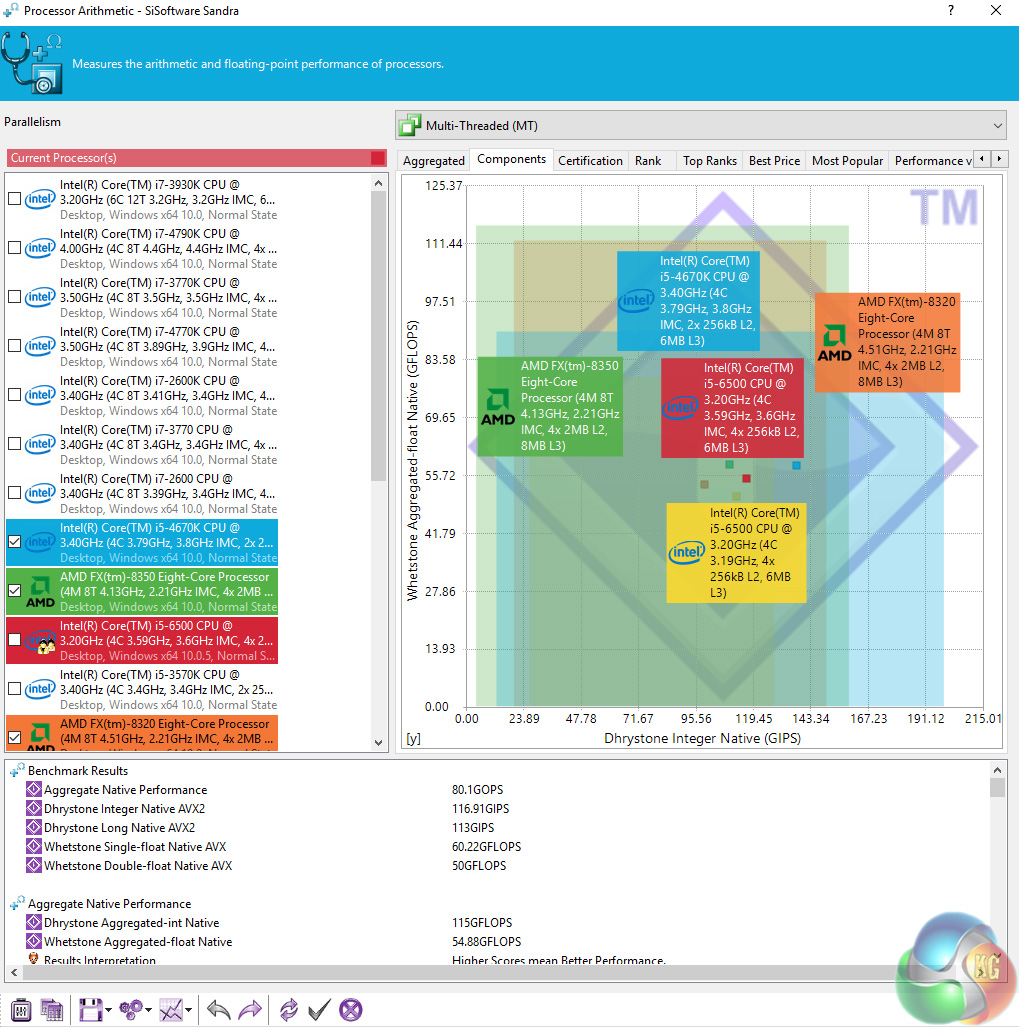
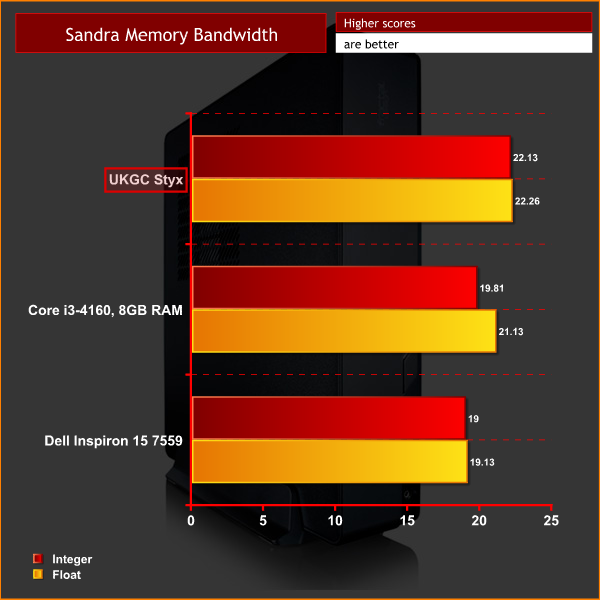
The first thing to note is the performance of the i5-6500 in the CPU arithmetic test. While significantly faster than my dual-core i3-4160, it lags behind the mobile i7-6700HQ in the Dell Inspiron 15 7559 due to its hyper-threading ability.
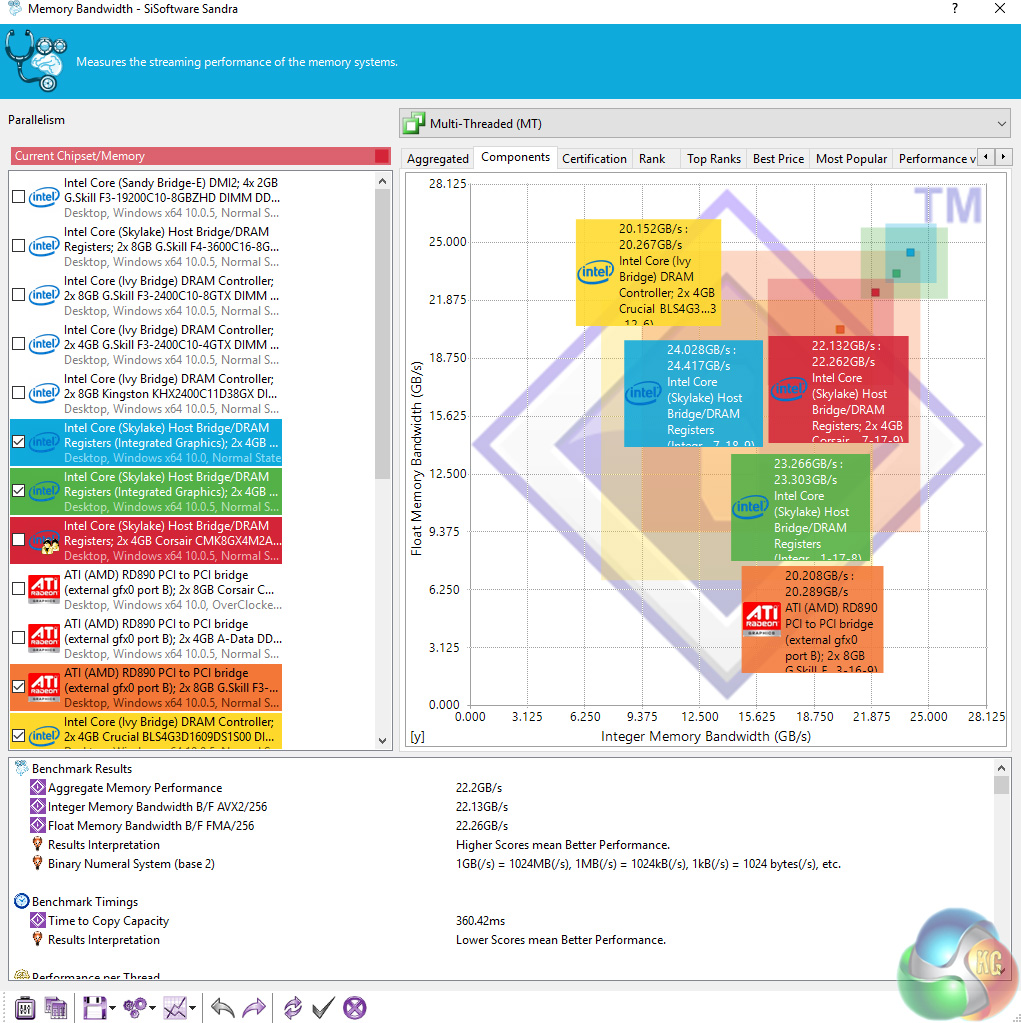
However, you can see the advantage DDR4 RAM has over DDR3 in the memory bandwidth test – although the margin is not huge.CINEBENCH 15 is a cross-platform testing suite that measures hardware performance and is the de facto standard benchmarking tool for leading companies and trade journals for conducting real-world hardware performance tests. With the new Release 15, systems with up to 256 threads can be tested. CINEBENCH is available for both Windows and OS X and is used by almost all hardware manufacturers and trade journals for comparing CPUs and graphics cards.
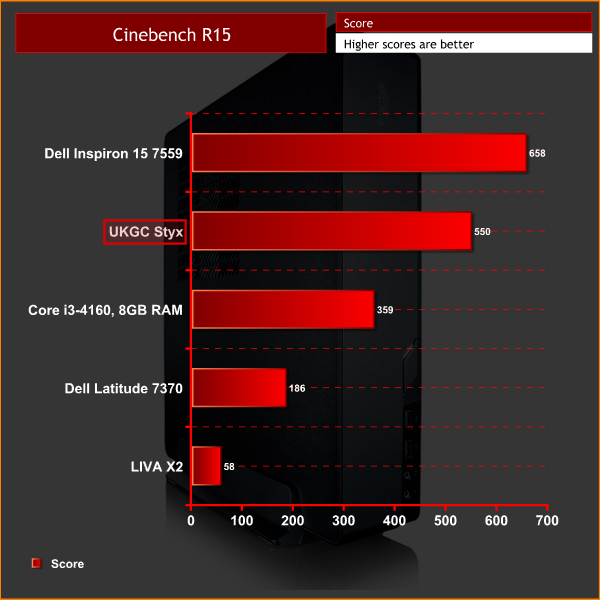
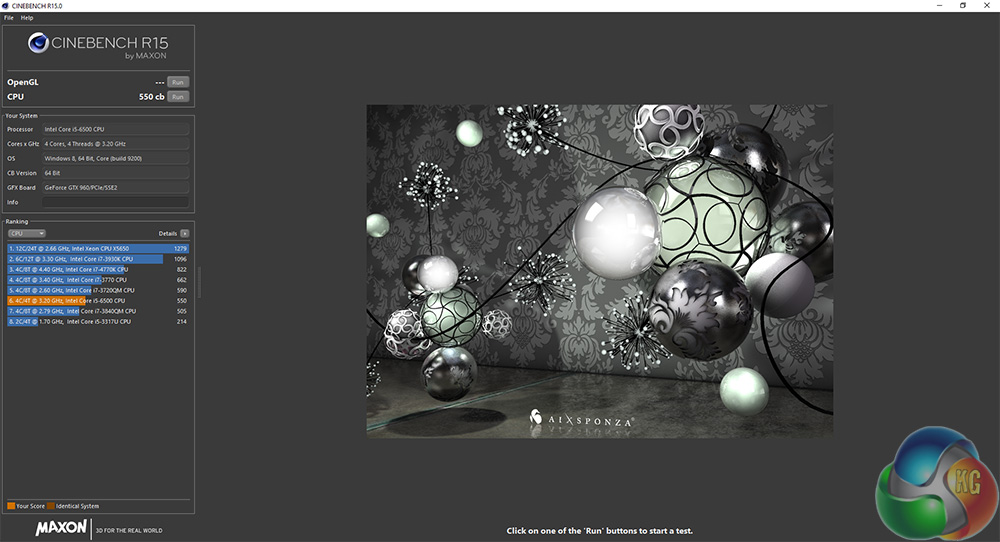
Again, the i5-6500 falls behind the i7-6700HQ in Cinebench R15 as it lacks the extra virtual cores. However, for a locked, Core i5 processor the score of 550 is not bad at all.HandBrake is a tool for converting video from nearly any format to a selection of modern, widely supported codecs.
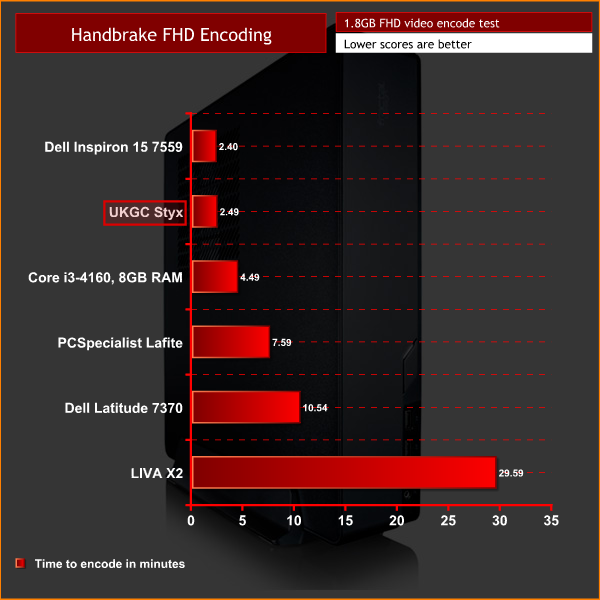
Despite the lack of hyper-threading, the i5-6500 CPU proves very able at encoding video – in this test, at least. Coming within 9 seconds of the i7-6700HQ is a great result.Here we test the Styx's SSD performance, using CrystalDiskMark 5.1.1 and ATTO Disk Benchmark 2.47.
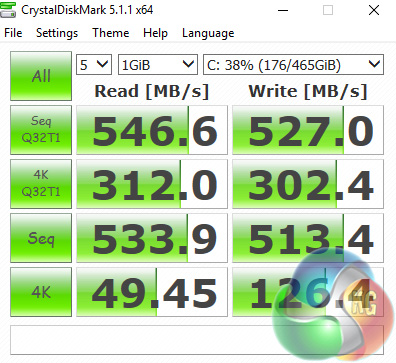
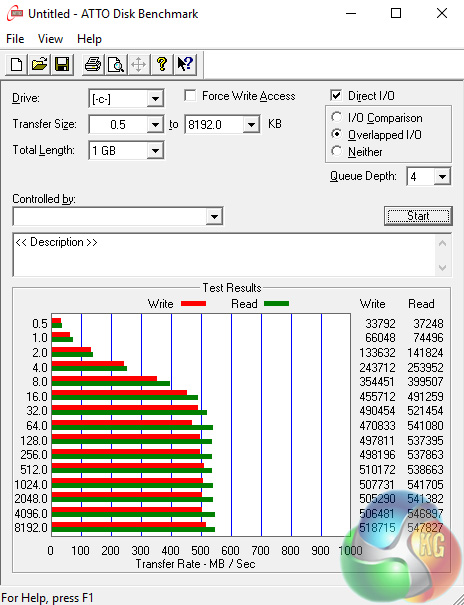
The Samsung Evo 850 is a popular 2.5inch SSD and I am sure many of our readers are familiar with it. It performs very well for a SATA drive, effectively topping out at the limit of the SATA III bus. Sequential read and write speeds of over 500MBps mean the Styx is fast to boot and generally very snappy.To test the USB 3.0 ports on the motherboard, I plugged in an OCZ Trion 150 SSD via a SATA-to-USB 3.0 5Gbps adapter, which uses the ASMedia ASM1053 controller. We reviewed the SSD HERE, finding it delivers good speed at a budget price. Most importantly, it is capable of saturating the USB 3.0 bus, allowing us to test the speeds the USB 3.0 ports deliver. To test this, I ran both CrystalDiskMark and ATTO Disk Benchmark on the Trion 150 drive.

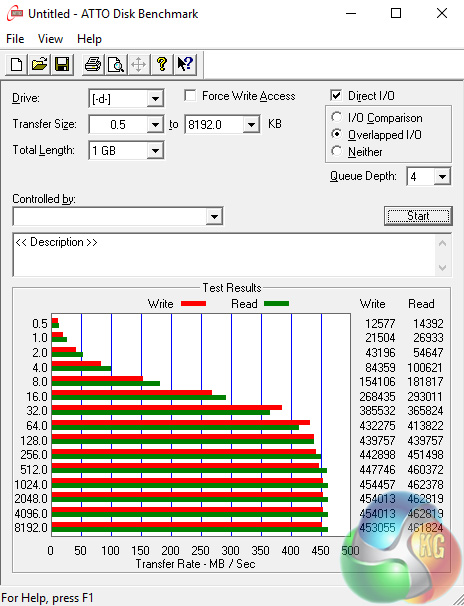
Again, the USB 3.0 performance is effectively the limit of the 5Gbps USB 3.0 bandwidth. Speeds well over 400MBps confirm the USB 3.0 ports are fully functional and rather speedy.3DMark 11 is designed for testing DirectX 11 hardware running on Windows 7 and Windows Vista. The benchmark includes six all new benchmark tests that make extensive use of all the new features in DirectX 11 including tessellation, compute shaders and multi-threading. After running the tests 3DMark gives your system a score with larger numbers indicating better performance. Trusted by gamers worldwide to give accurate and unbiased results, 3DMark 11 is the best way to test DirectX 11 under game-like loads.
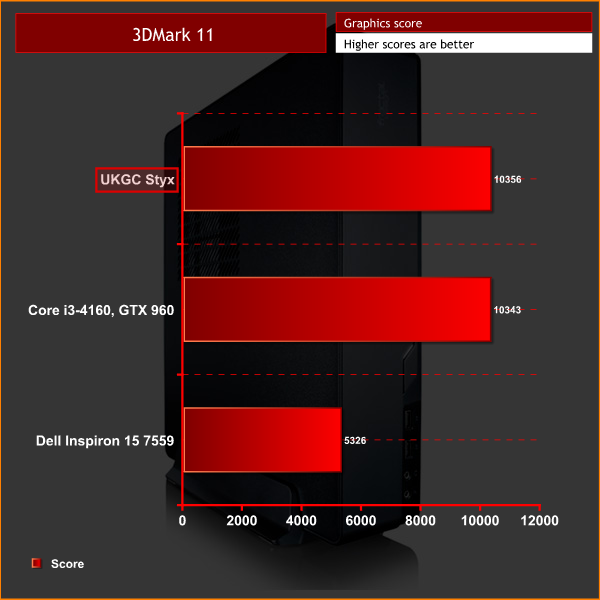
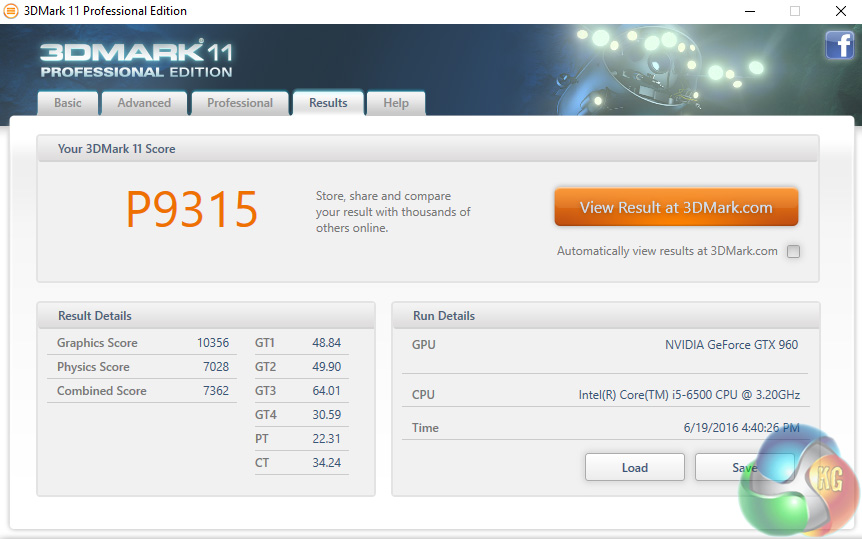
The Asus Turbo GTX 960 in the Styx performs very similarly to my own Asus STRIX GTX 960.3DMark is an essential tool used by millions of gamers, hundreds of hardware review sites and many of the world’s leading manufacturers to measure PC gaming performance. Futuremark say “Use it to test your PC’s limits and measure the impact of overclocking and tweaking your system. Search our massive results database and see how your PC compares or just admire the graphics and wonder why all PC games don’t look this good. To get more out of your PC, put 3DMark in your PC.”
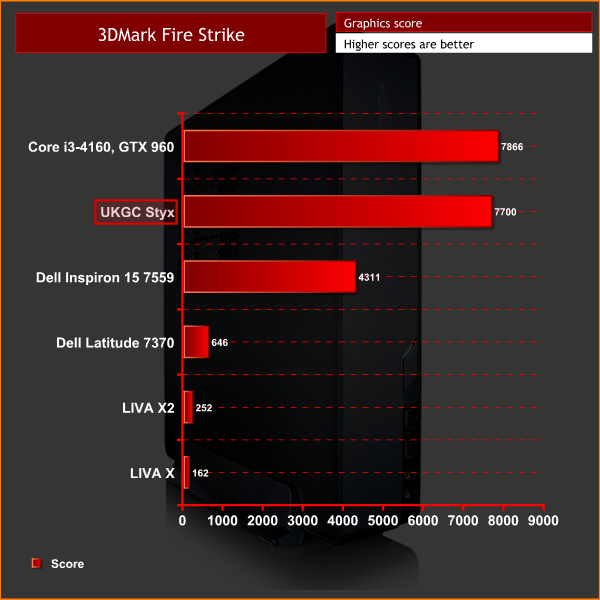
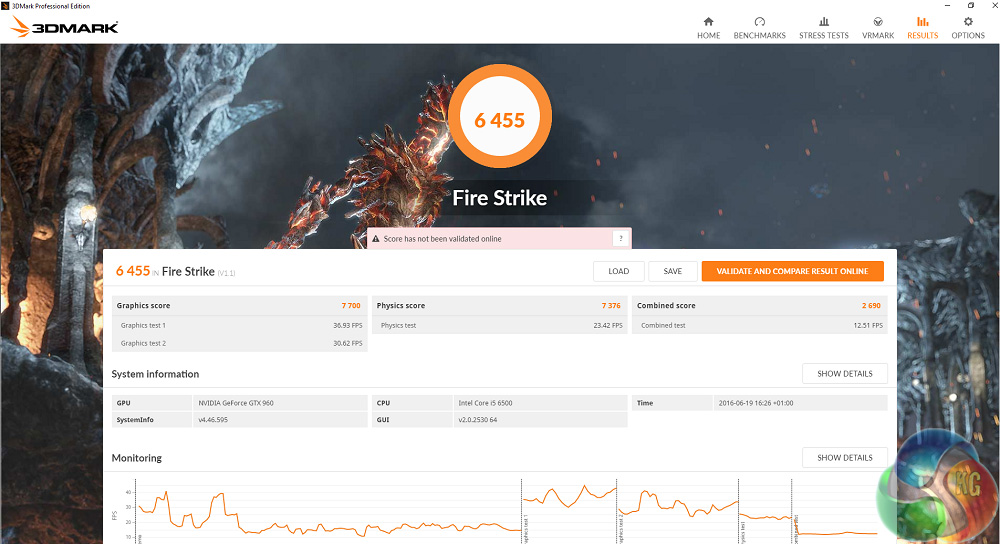
Again, the Turbo GTX 960 gives good performance in 3DMark Fire Strike. Usually a score like this is indicative of solid 1080p gaming performance, but we shall see.Tomb Raider received much acclaim from critics, who praised the graphics, the gameplay and Camilla Luddington’s performance as Lara with many critics agreeing that the game is a solid and much needed reboot of the franchise. Much criticism went to the addition of the multiplayer which many felt was unnecessary. Tomb Raider went on to sell one million copies in forty-eight hours of its release, and has sold 3.4 million copies worldwide so far. (Wikipedia).
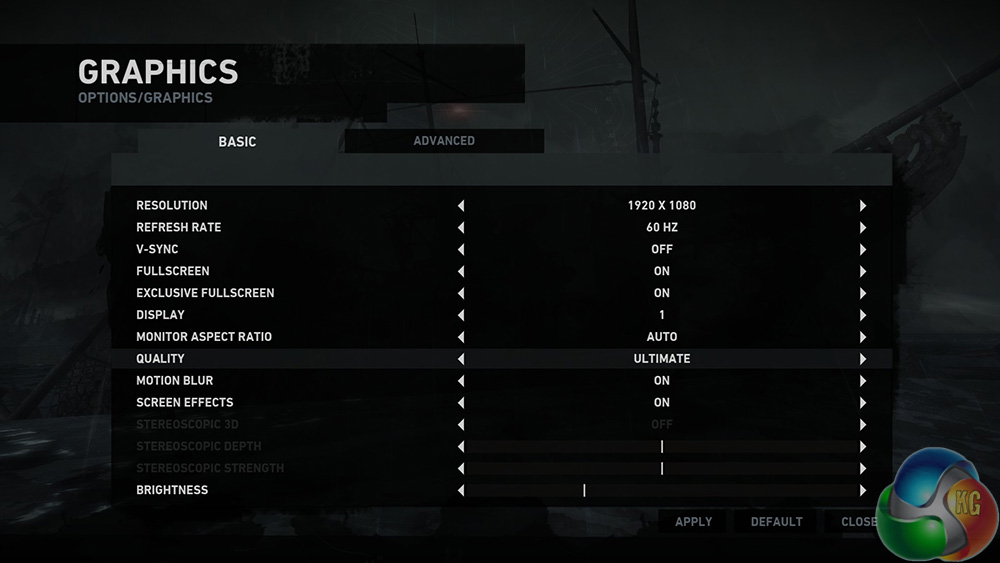
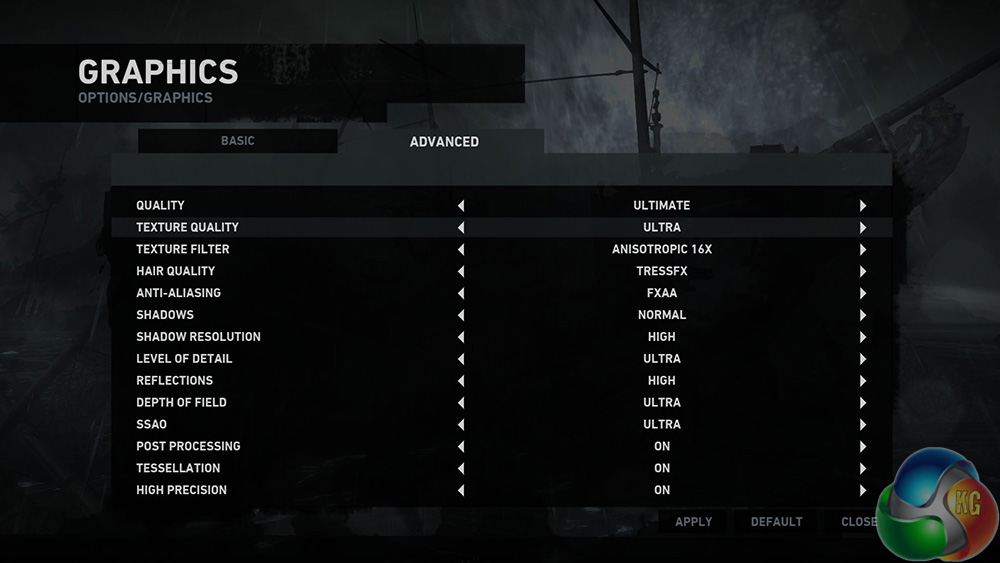
We test using the ‘ultimate' preset.
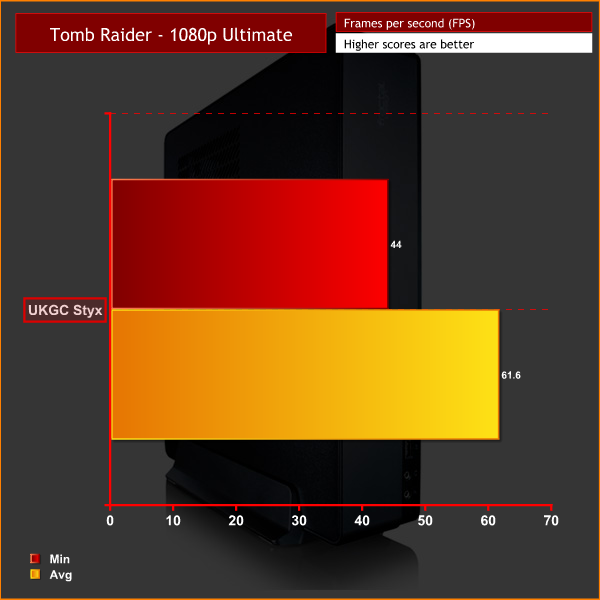
Frame rates at 1080p are good, though lowering the image quality to the ‘ultra' preset would see a higher minimum frame rate. Still, averaging over 60fps is a good start.Grid Autosport is a racing video game by Codemasters and is the sequel to 2008′s Race Driver: Grid and 2013′s Grid 2. The game was released for Microsoft Windows, PlayStation 3 and Xbox 360 on June 24, 2014. (Wikipedia).
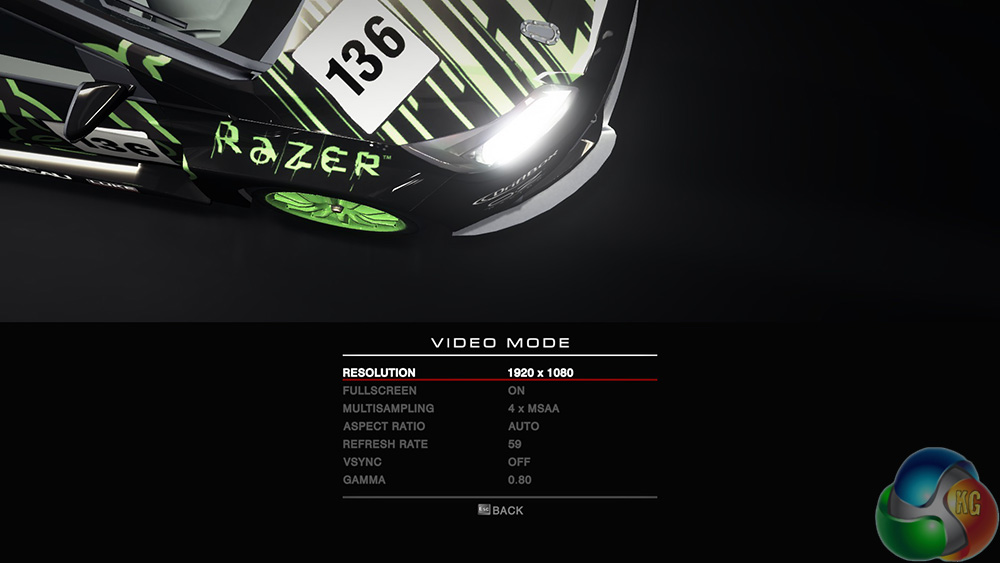
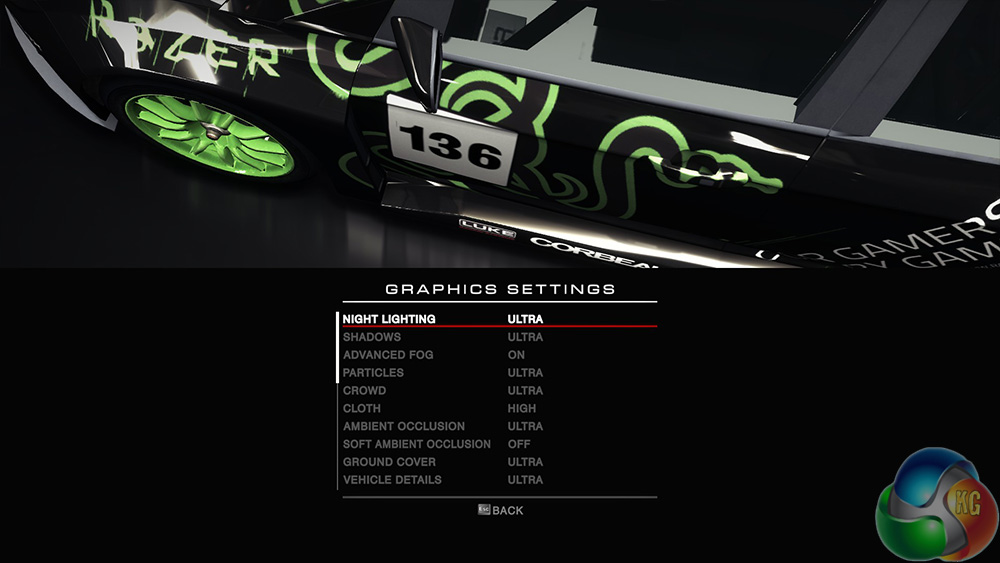
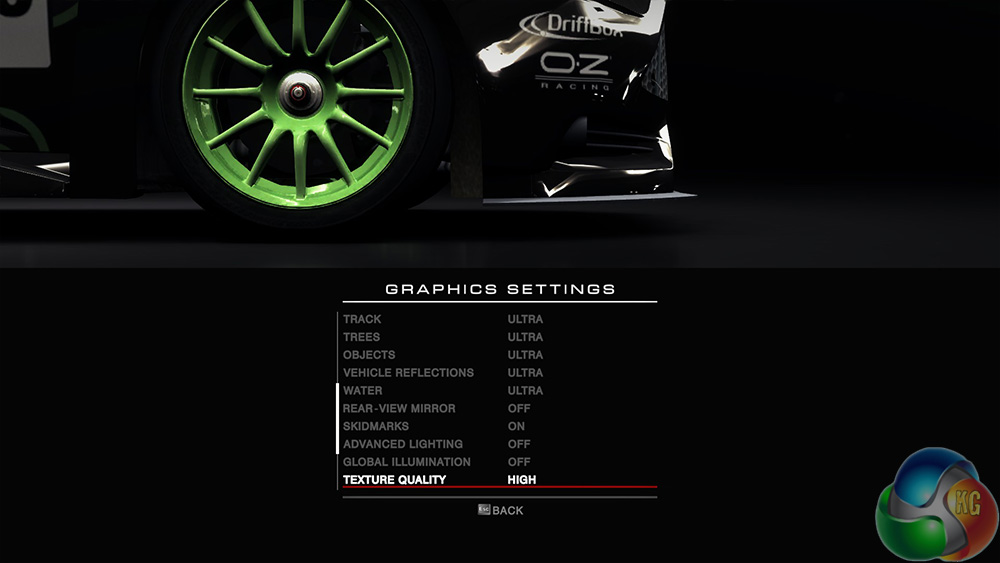
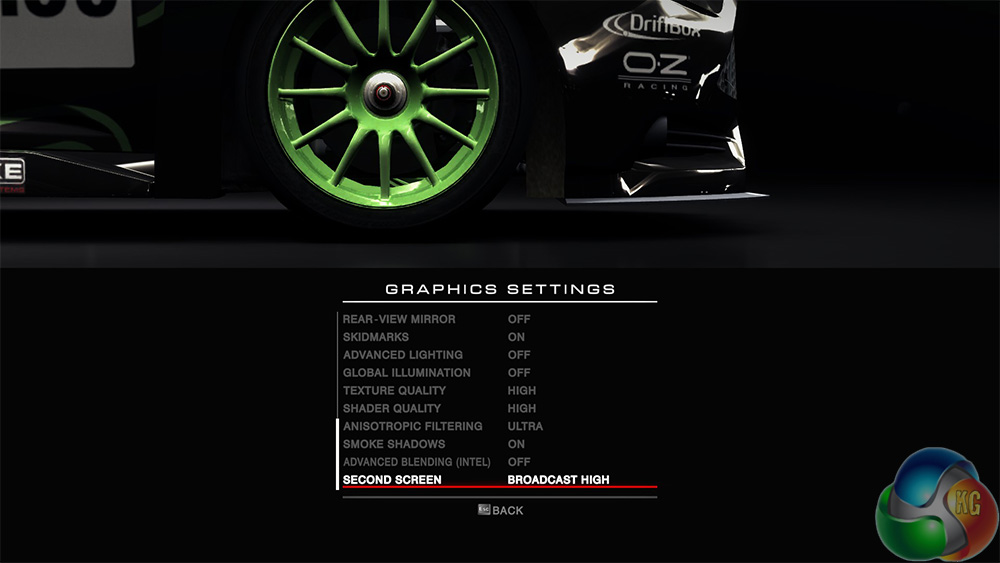
We test using the ‘ultra' preset, with 4x MSAA.
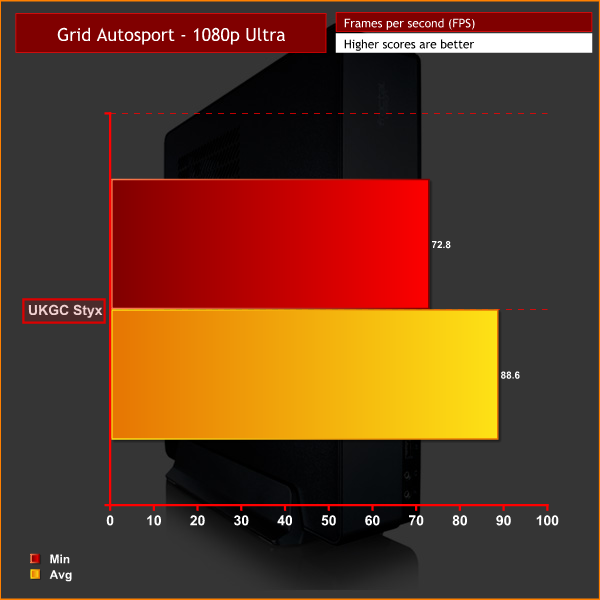
The Styx rips through GRID Autosport, even with the highest image quality settings. Racing on a large HDTV would be very rewarding using the Styx.In Middle-earth: Shadow of Mordor, the player plays as a ranger by the name of Talion who has wraith-like abilities. In this open world video game, players have the freedom to pursue side quests and roam around the world.
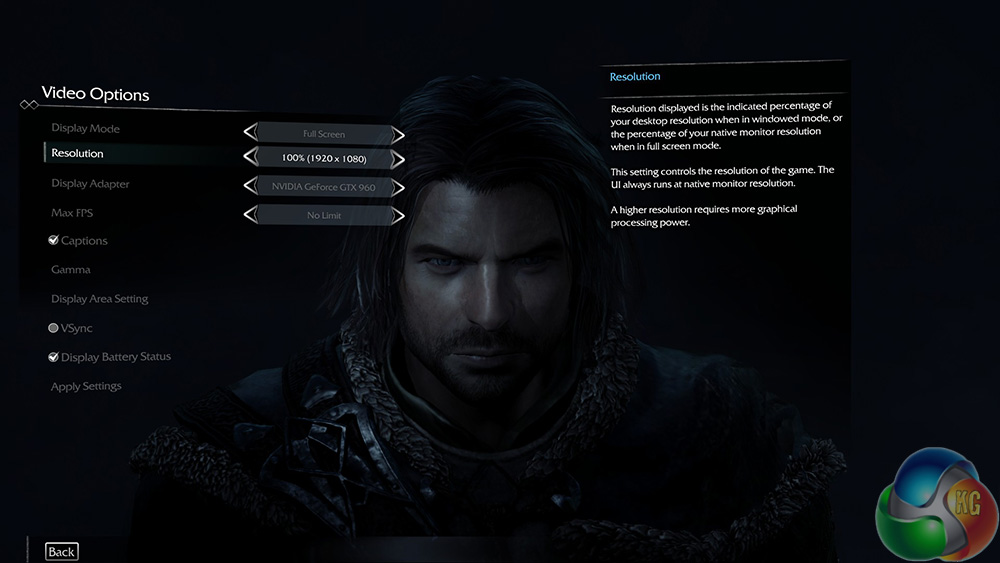
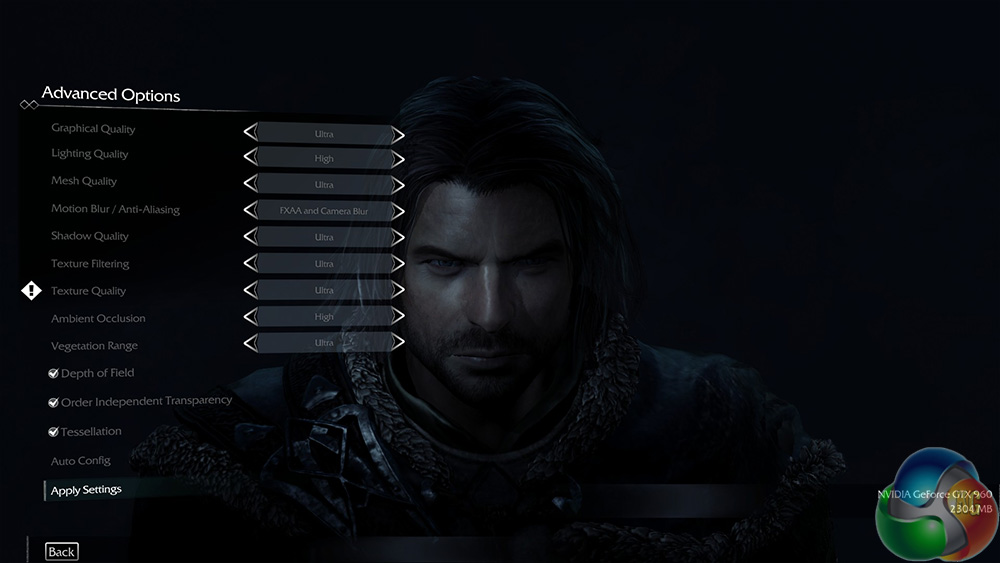
We first test using the ‘ultra' preset.
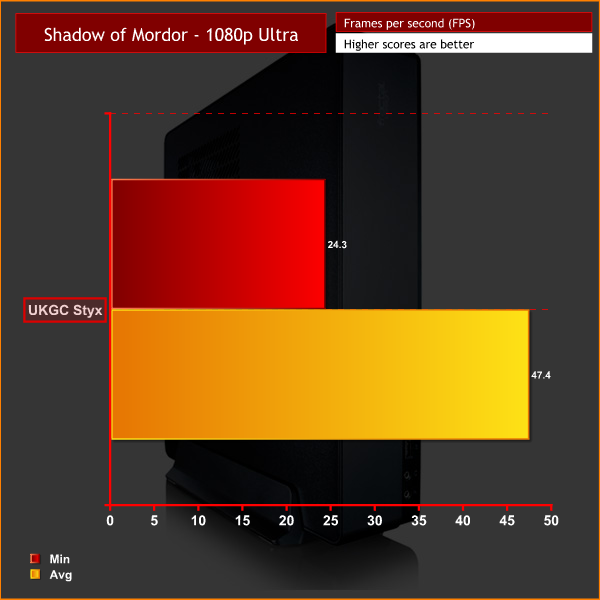
At its highest image quality settings, Shadow of Mordor is a very demanding game. As such, the Styx is unable to cope and dips below 25fps for the minimum figure.
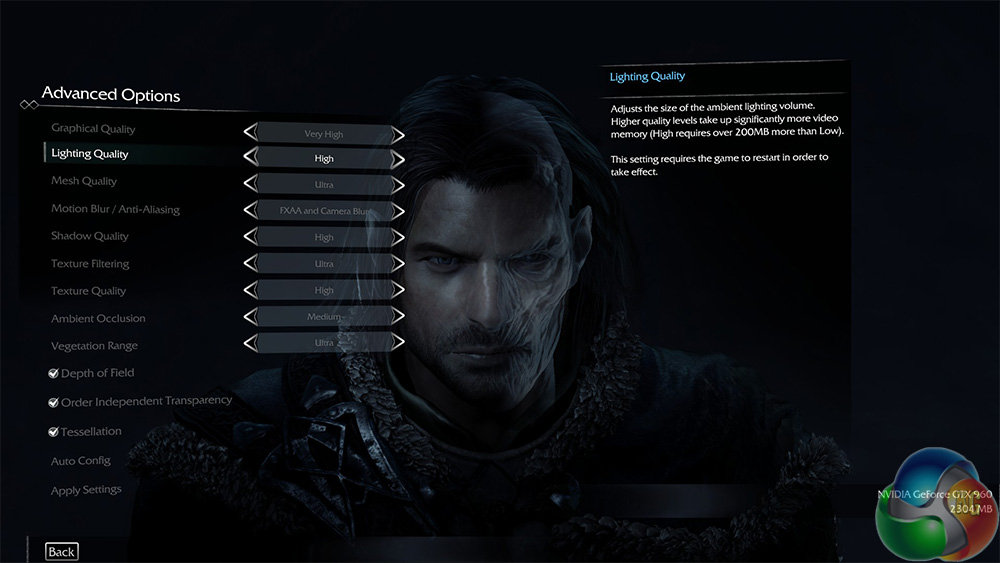
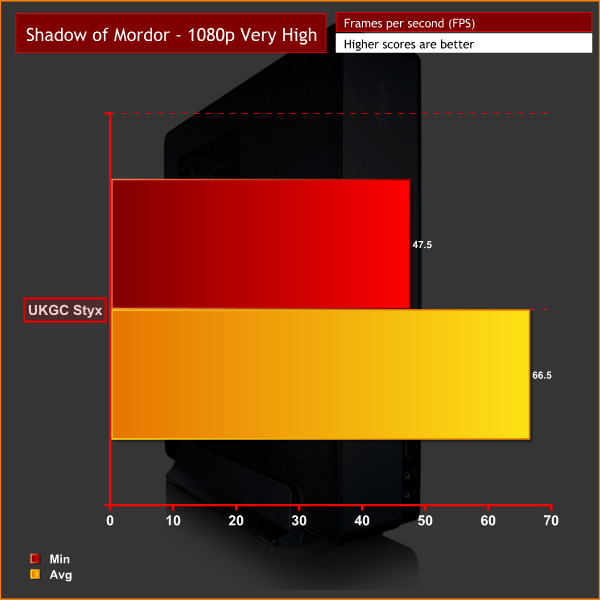
However, testing again using the ‘very high' preset does result in a smoother experience without the loss of too much extra eye-candy.Grand Theft Auto V is an action-adventure game played from either a first-person or third-person view. Players complete missions—linear scenarios with set objectives—to progress through the story. Outside of missions, players may freely roam the open world. Composed of the San Andreas open countryside area and the fictional city of Los Santos, the world is much larger in area than earlier entries in the series. It may be fully explored after the game’s beginning without restriction, although story progress unlocks more gameplay content.
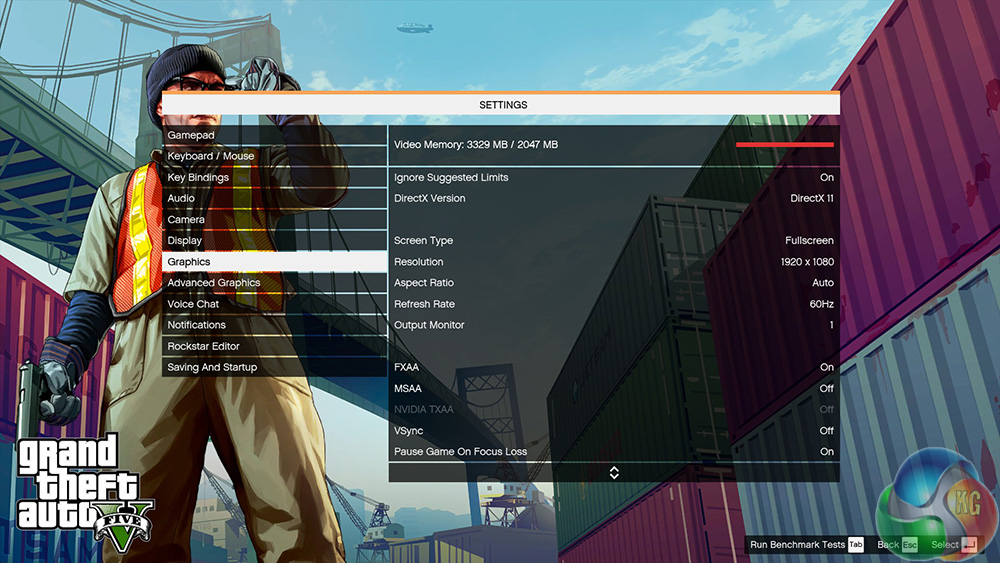
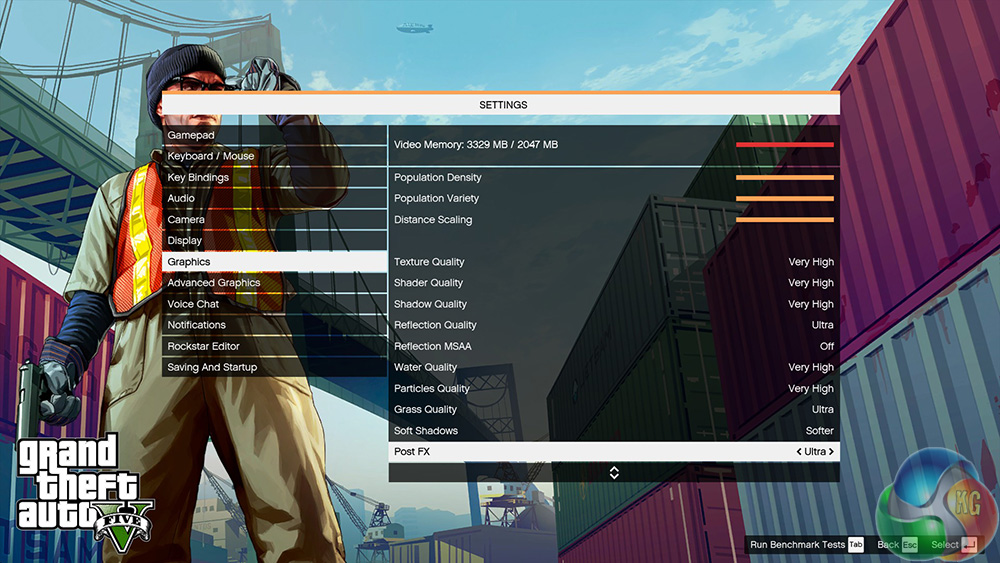
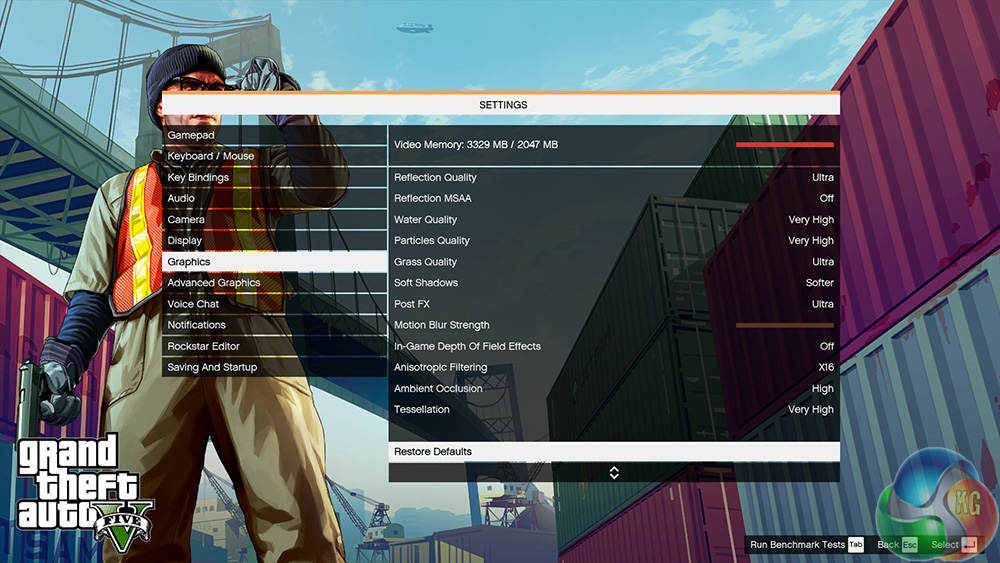
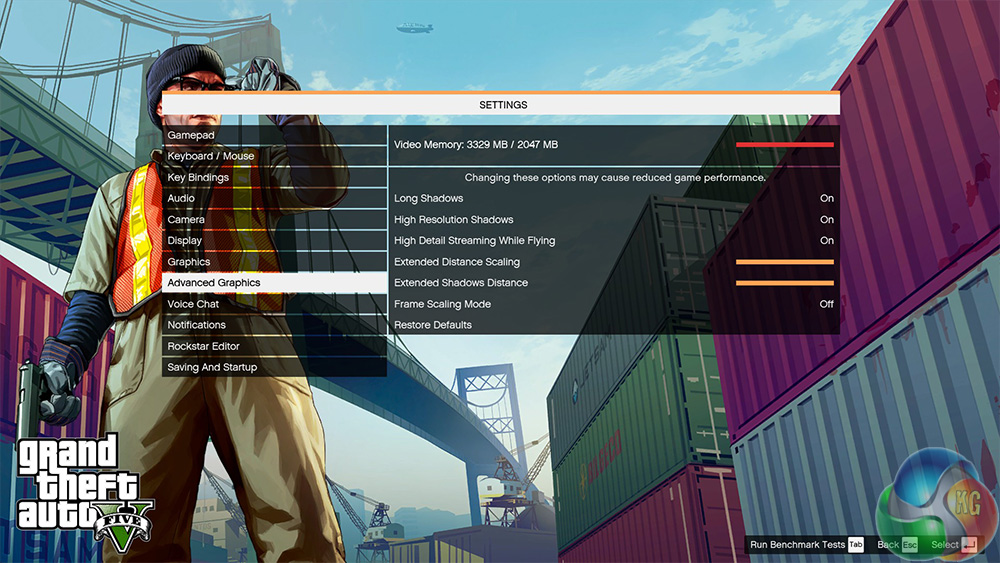
We test with every setting maximised, though MSAA is disabled.
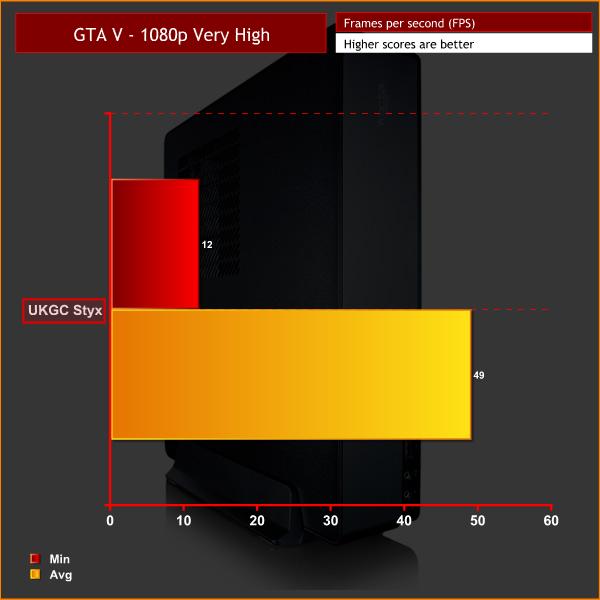
At the highest image quality settings, GTA V is not a pleasant experience – frame rate drops are common, as is micro-stuttering.
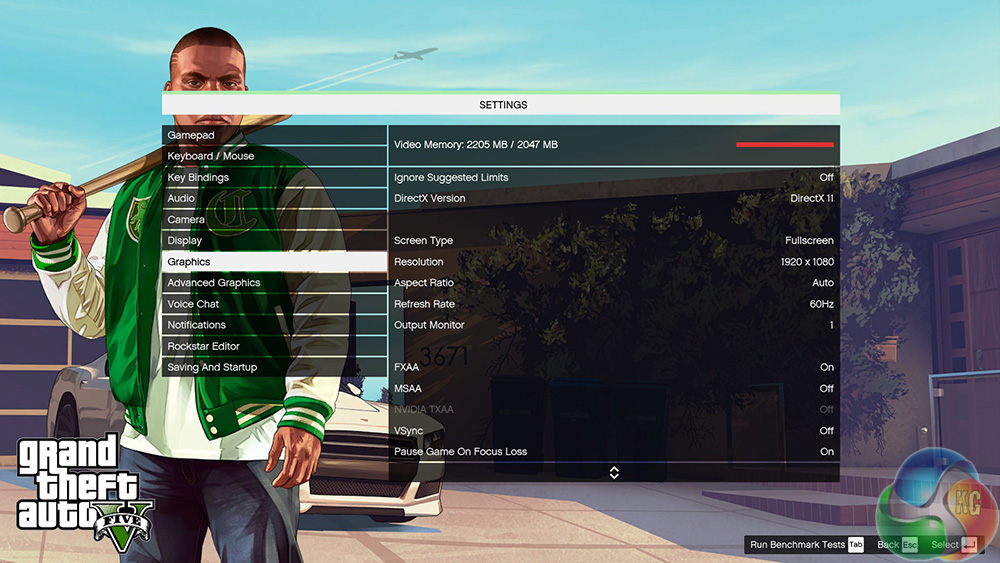
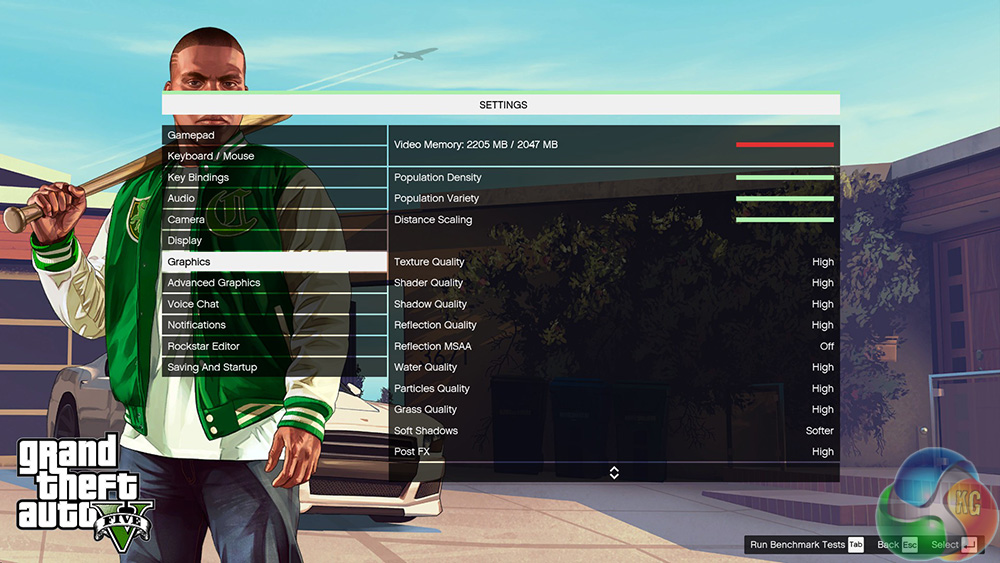
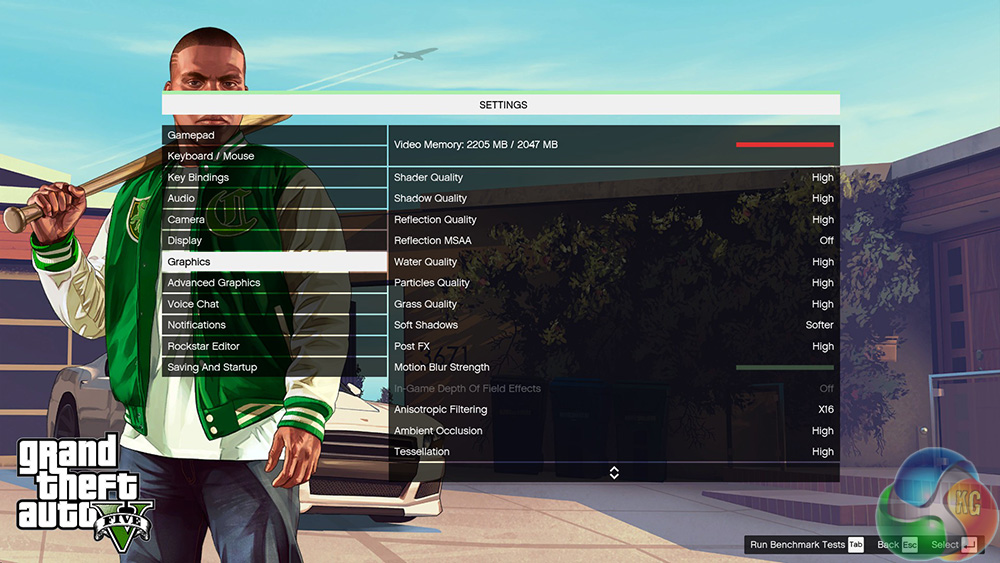
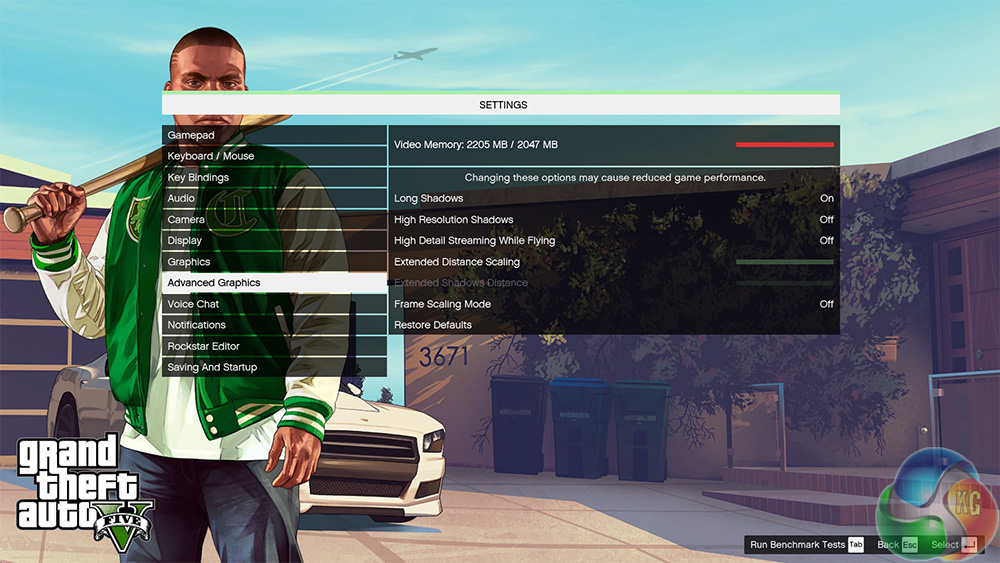
However, we also tested GTA V using lower settings – everything set to ‘high', which brought the required VRAM down by over 1GB – much closer to the 2GB limit of the GTX 960.
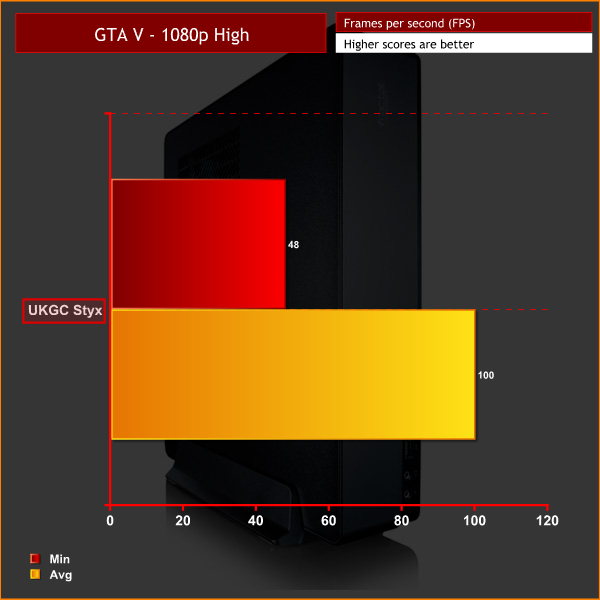
With lower image quality settings, GTA V is much more satisfying to play.Thermal dynamics
To measure idle temperatures, a reading was taken after having Windows open on the desktop for 30 minutes. A reading under load was taken while Prime95 and 3DMark Fire Strike ran simultaneously.
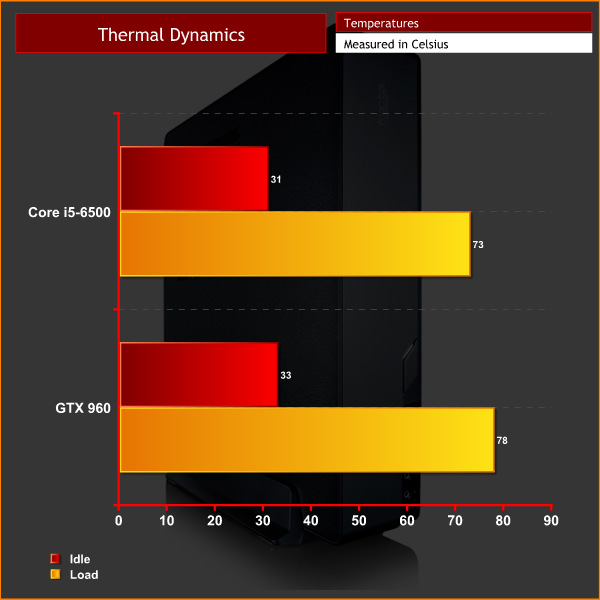
Under full load the temperatures are perfectly safe, which indicates the stock CPU cooler is an effective option.
Acoustics
However, while temperatures are fine, the Styx can get a bit noisy under load. Even at idle, the system is not exactly peaceful.
As I am located in London, it would not be fair on the Styx to measure decibel levels due to high levels of ambient noise. However, I will do my best to describe the noise emitted by the system.
Firstly, even while idling, the GPU is not silent. Its fan emits a constant, low hum which can be irritating. It is not excessively loud – it would be blocked out by music or a TV, but listening to it while browsing the web, for example, is irksome.
Under load, the system is actually not that much louder. The stock cooler becomes audible thanks to the high-pitched whirr, while the GPU's rumble intensifies. If you will be using headphones or speakers, it is not a problem. With no audio to block out the noise, though, it is not hugely pleasant.For idle power draw, a reading was taken after having Windows open on the desktop for 30 minutes. A reading under load was taken while Prime95 and 3DMark Fire Strike ran simultaneously.
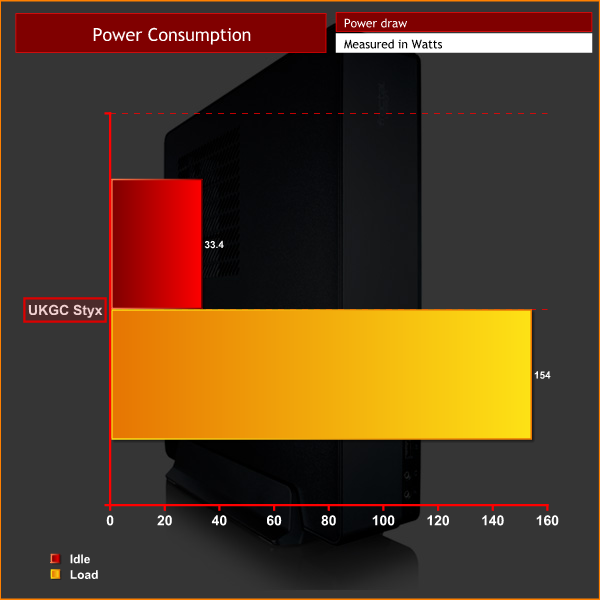
Thanks to the low TDP of both the i5-6500 and the GTX 960, the Styx draws very little power, even under load. Topping out at 154W, I found this meant the fan on the power supply never spins – at all.The UK Gaming Computers' Styx is a well-built system, with sensible part choices housed in an attractive chassis.
The Fractal Node 202 case is excellent, allowing you to position it vertically or horizontally. It is also very compact and looks sleek.
The specification is clearly well thought through, with the locked i5-6500 running cooler than an i5-6600K would in such a small case. An Asus Turbo GTX 960 with its blower-style cooler also ensures hot air from the GPU is not re-circulated inside the tiny case.
Performance is also very good – a 500GB Samsung 850 EVO means the system is snappy, while the Skylake CPU is solid, despite its locked multiplier.
Gaming is mostly successful, although the GTX 960 is just not quite able to run AAA games at the highest possible settings. Only slight adjustments are needed to keep the frame rates smooth, but if you do not want to compromise then the Styx may not be for you. Older games such as Tomb Raider and Grid Autosport run very well, though.
The worst thing about the Styx, however, is the noise. At idle it emits a constant hum which quickly becomes irritating. It is easily blocked out by music or a TV, but with nothing on in the background you will definitely be able to hear this system.
Nonetheless, UK Gaming Computers offer the Styx at a very competitive price of £705.99 including Windows 10. Pricing up all the individual parts brought me to £731 at the time of writing, so this is a great deal. UKGC will build the system for you, and back it up with their 6-year warranty, all for less stress and cash than for what you could do yourself. If the Styx was quieter, it would be near-perfect.
You can pick one up from UK Gaming Computers HERE.
Discuss on our Facebook page, over HERE.
Pros
- Great price.
- Very compact.
- Solid 1080p performance.
- Well thought through components.
- Minimal power draw.
Cons
- GTX 960 lacks that little bit extra to be able to fully max-out the latest games.
- Noisy while idling.
KitGuru says: The UKGC Styx is a very compact system, offering 1080p HDTV gaming for the living room. If it weren't for the noise at idle, it would be nearly flawless.

Doesnt look “mini” to me. Try harder.
I currently get paid close to $6k-$8k /every month working from home online. Everyone willing to complete basic freelance jobs for few h daily from your living room and make good payment while doing it… Try this job CHILP.IT/45fc05a
jh
It says Mini-ITX. That’s the motherboard size.
given the efficiency and the founders blower design, a 1070 option would be interesting.