 KitGuru KitGuru.net – Tech News | Hardware News | Hardware Reviews | IOS | Mobile | Gaming | Graphics Cards


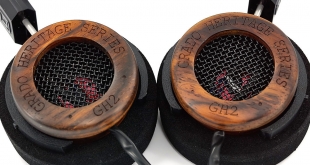
Over the last three decades I have spent a lot of time listening to hundreds of headphones ranging in price from a modest £150 (AKG K 845BT) to an eye popping £35,000 (Sennheiser Orpheus 2). One of my favourite headphones throughout this lifelong journey has been the Grado HP1 – a (now iconic) Joseph Grado headphone that I fell in love with immediately when it was released.
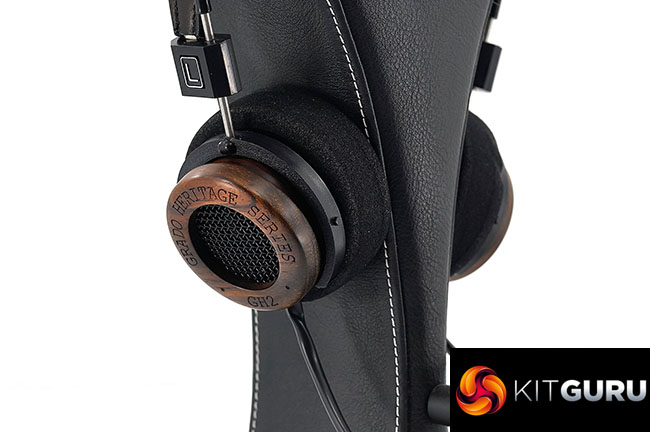
Grado are a family run, Brooklyn based company and in 1990 Joe's nephew John took over as President and CEO. I can't always say that John's headphone designs impacted me in the same way that Joe's did, however I have thoroughly enjoyed spending quality time with their high end PS 1000E and GS 2000E headphones in recent years. If you are interested in learning more about this successful family run company I recommend you catch up on their history, over HERE.
Today's Grado GH2 Heritage are a limited edition headphone (more HERE), and they join an exclusive list of Grado limited run production headphones such as the ‘John Mayer' and ‘Billy Joel' models, made in very limited edition runs. These headphones won't be around for long, but for now – you can get them online for around the £650 mark (Amazon HERE). Once they are gone, its unlikely you will ever see them being sold on ebay – but you might be able to snag a pair from the Headfi buy and sell forums. Sometimes you can see a collector selling HP limited edition headphones here, but not often.
Eight or so years ago I was involved in a rather serious motorbike accident and one of the many tests they made me take was to check my hearing wasn’t badly affected by the considerable impact against a car – they do this test on a fairly regular basis, even today. My audio response rates basically at the upper end of the spectrum – a reassuring fact to know, especially as many other parts of my body weren’t quite so lucky.
I only mention this – not to boast that my hearing is great, but to give a little perspective to audio reviews you may read online. When KitGuru tests much of the hardware we get to review – there are quantifiable benchmark figures we can present. Frames per second, the watts demand under load, temperature curves and clock speeds. Its not quite so scientific when we test audio gear.
Much of the enjoyment taken with listening to music is based on many (non scientific) factors – do you like very pronounced high frequencies to extract every little bit of micro detail? Do you prefer a sweet mid range to enjoy those sultry female vocals? It is worth pointing out that the quality of your hearing also plays a significant factor. If your hearing has lost a little of the frequency range response (and its likely to happen the older you get) then a headphone deemed as ‘bright‘ could actually work out better for you. One of my friends is firmly what I would call a ‘bass head’ – so any headphone he wants to wear has to rock his teeth out, otherwise he would simply say ‘Total crap’. That is about as unscientific as you can get.
Personally, I tend to favour a fairly neutral curve without any specific frequency range dominating the experience. I do love the Stax 009 headphones, but not for specific genres. They extract great detail from many of my classical recordings, but they are not ideal when you want to enjoy classic rock. The Abyss 1266, Grado HP1 and Audeze LCD4 tend to excel in that particular category, each having their own distinctive sound signature.
Many headphones (and amplifiers/cables) do add their own sound characteristic to the mix, but I would prefer to err on the warm side of neutral, if given a choice.
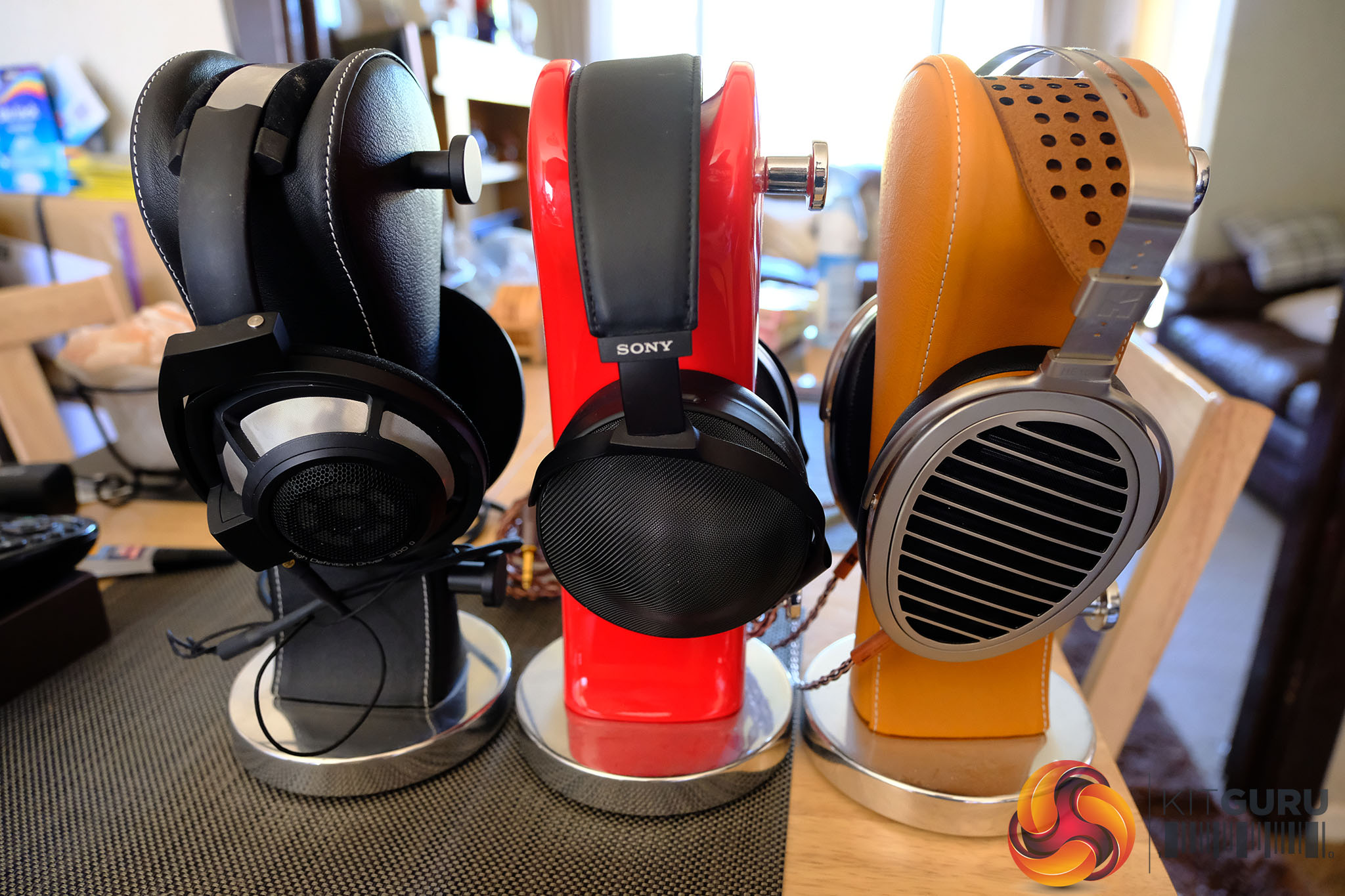
While I could discuss many headphones today, the three that win most of my head time are the (right) Hi-Fi Man HE1000 (Rev. 2 with Kimber Cable), (left) Sennheiser HD800S (with Cardas Cable) and the Sony MDR-Z1R. I had planned to review the HE1000 Rev 2 at the time of launch, but I got rather ill at the time and ended up forced into surgery, so I sadly consider this a missed opportunity for KitGuru.
For those interested, I did cover other headphones and configurations in previous articles which you can see HERE, HERE and HERE. I will be making some changes as those articles are now a little out of date, but all in due time.
Grado GH2 Audio Specs:
Transducer Type: Dynamic
Operating Principle: Open Air
Frequency Response: 14 – 28,000 hz
SPL 1mW: 99.8 dB
Nominal Impedance: 32 ohms
Driver Matched dB: .05 dB
Vented diaphragm
Cocobolo air chamber
UHPLC copper voice coil
HPlC copper connecting cable
Included Accessories: Warranty, Grado story-sheet, 6.5mm Golden Adapter
Review photography handled in house at KitGuru with a Leica S series medium format camera and S series prime lens. Please do not use any of the images within this review without express permission.
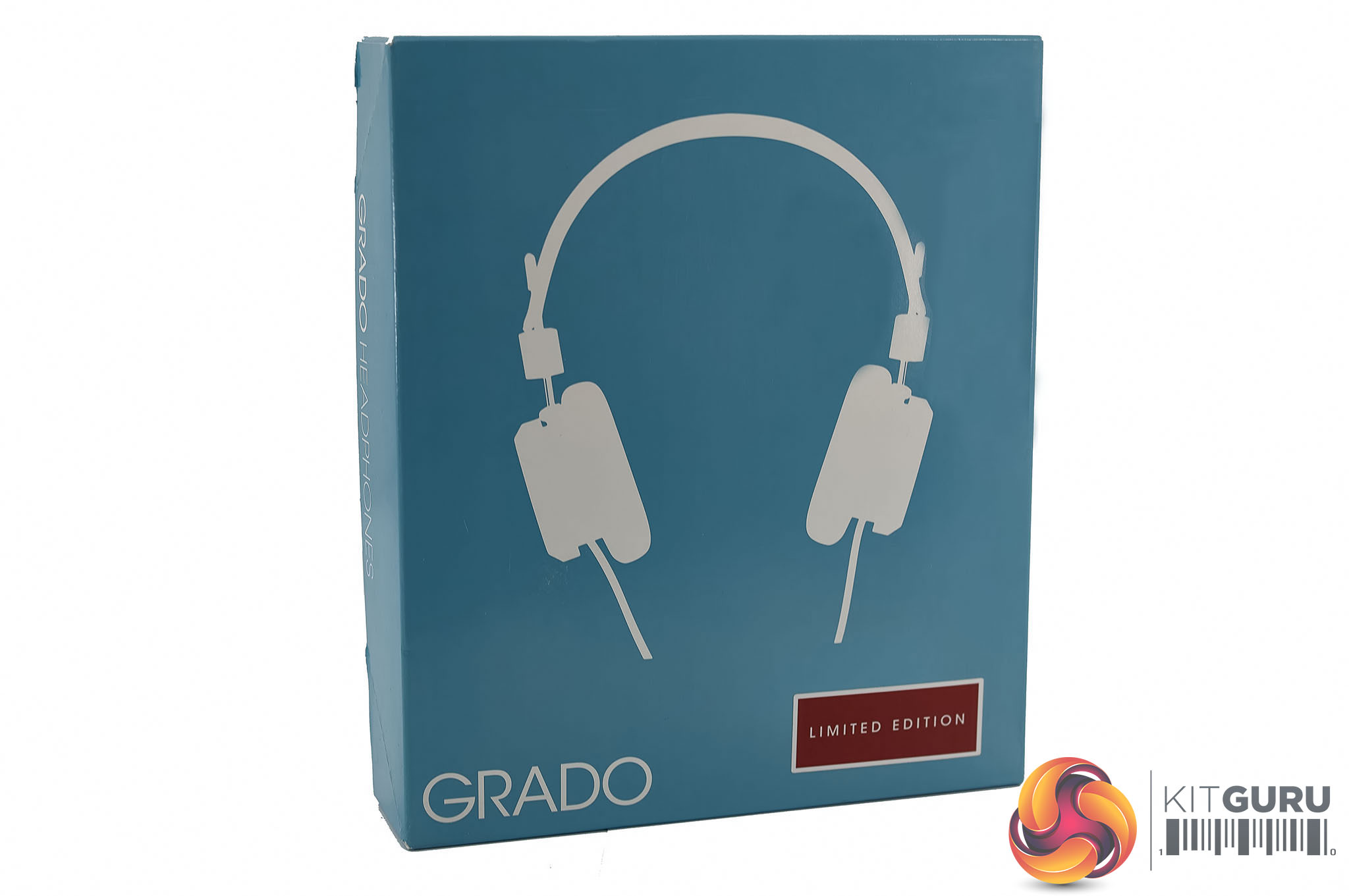
Grado are not known for their extravagant box designs. While the sky blue box may look very plain, by their own standards, it is in fact very fancy indeed.
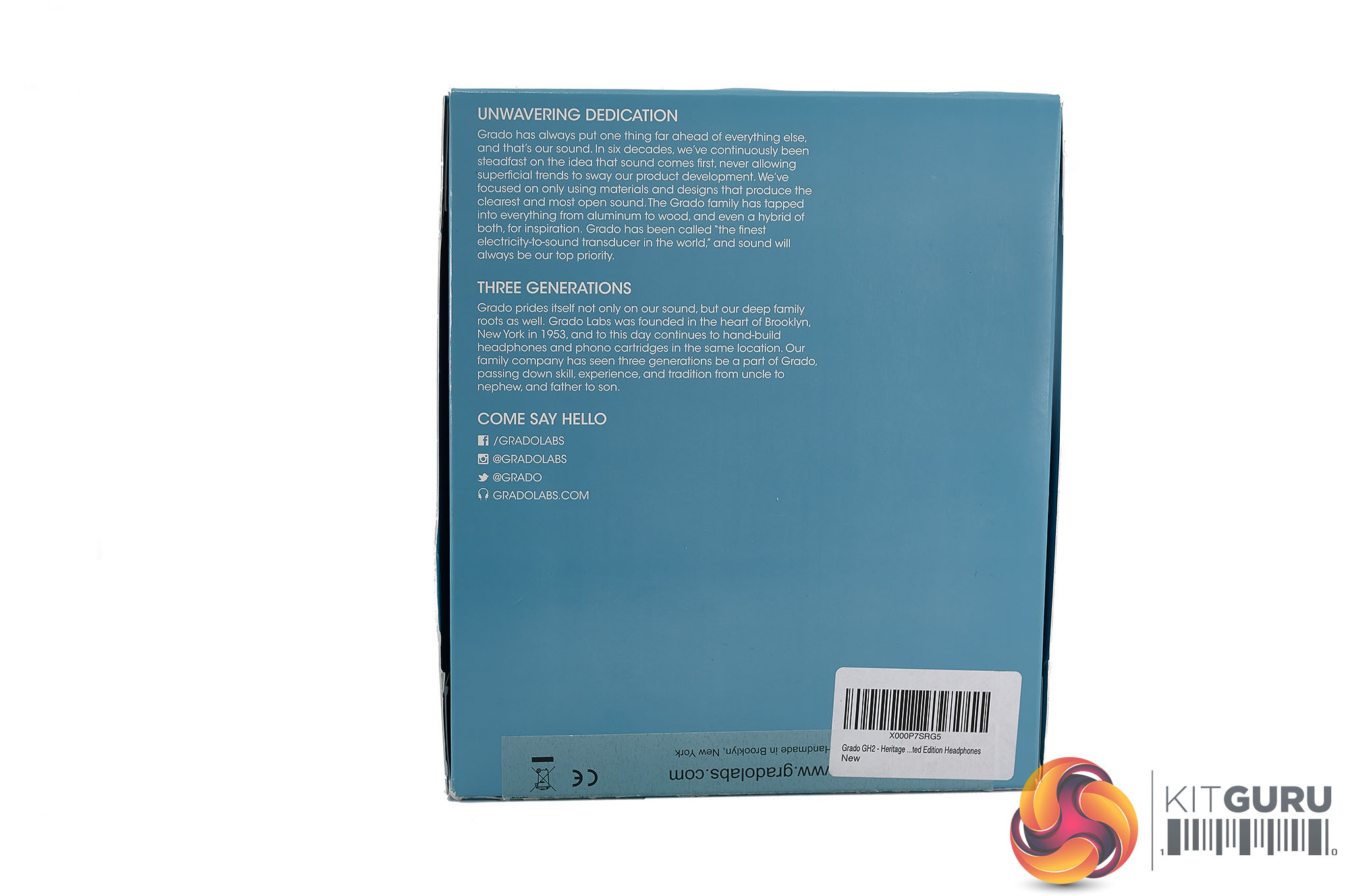
The rear of the box details the three generations of the family alongside their ‘unwavering dedication'.
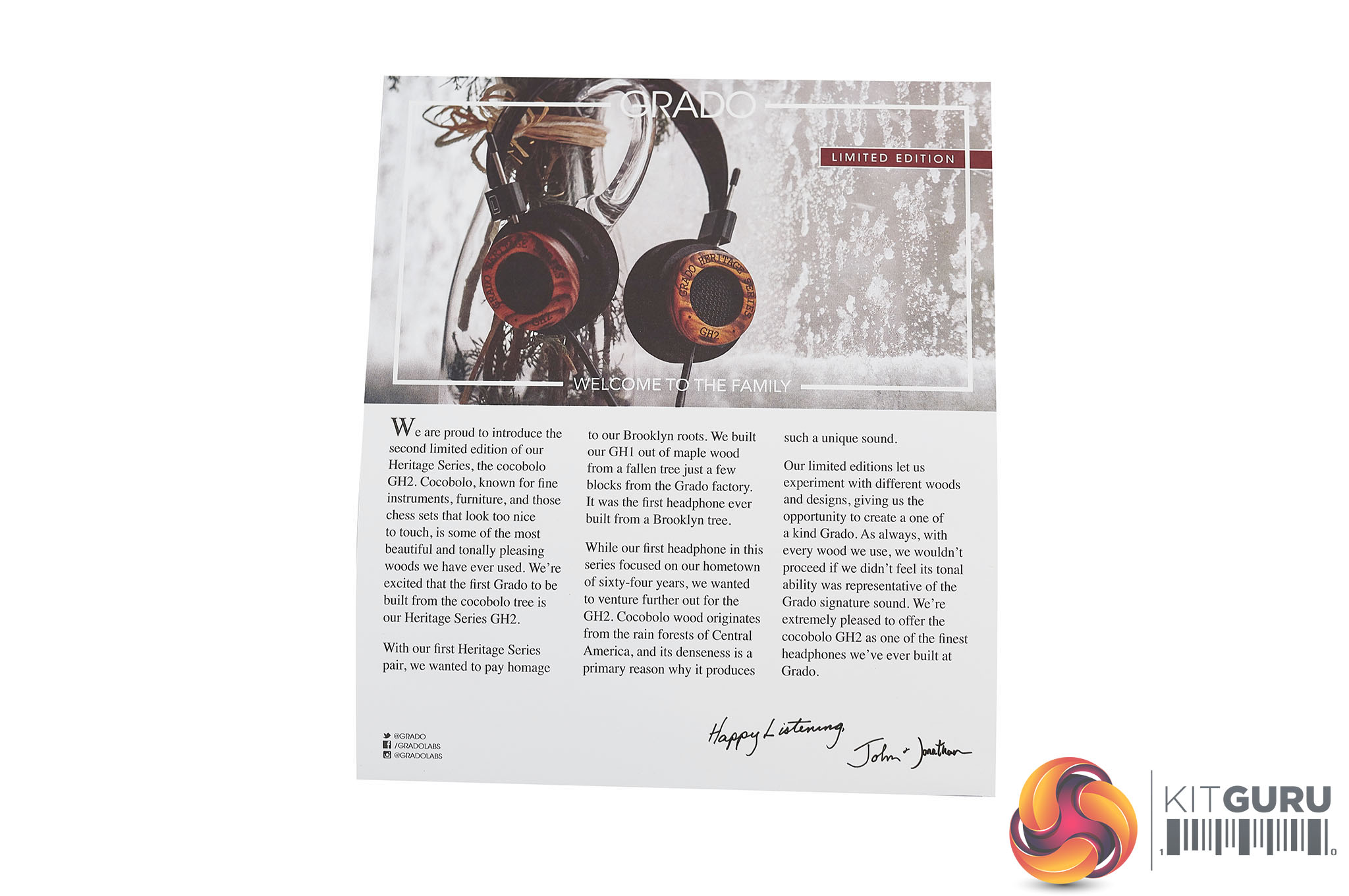
Inside the box is a pull out sheet of paper explaining the family heritage and that this headphone is actually the second limited edition of the Heritage Series. This headphone is crafted from Cocobolo wood which is known for use in the construction of instruments. Grado say that Cobobolo wood is ‘some of the most beautiful and tonally pleasing woods we have ever used'. Grado fans will already know that the GH1 headphone run was crafted from a fallen Maple tree in their home city of Brooklyn. It is no longer available.
Cocobolo wood is actually a very dense wood and Grado say this headphone is one of their finest headphones to date.
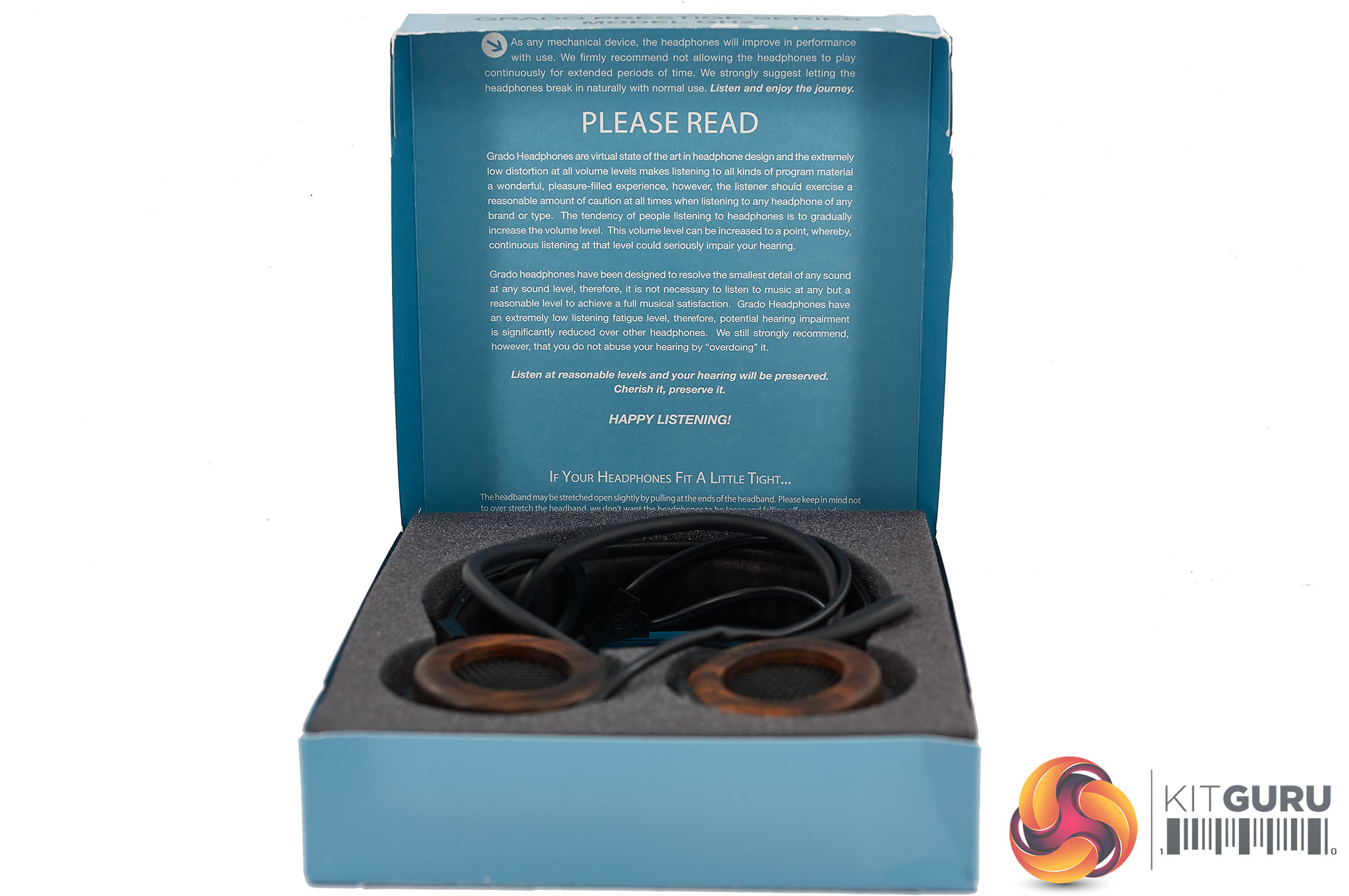
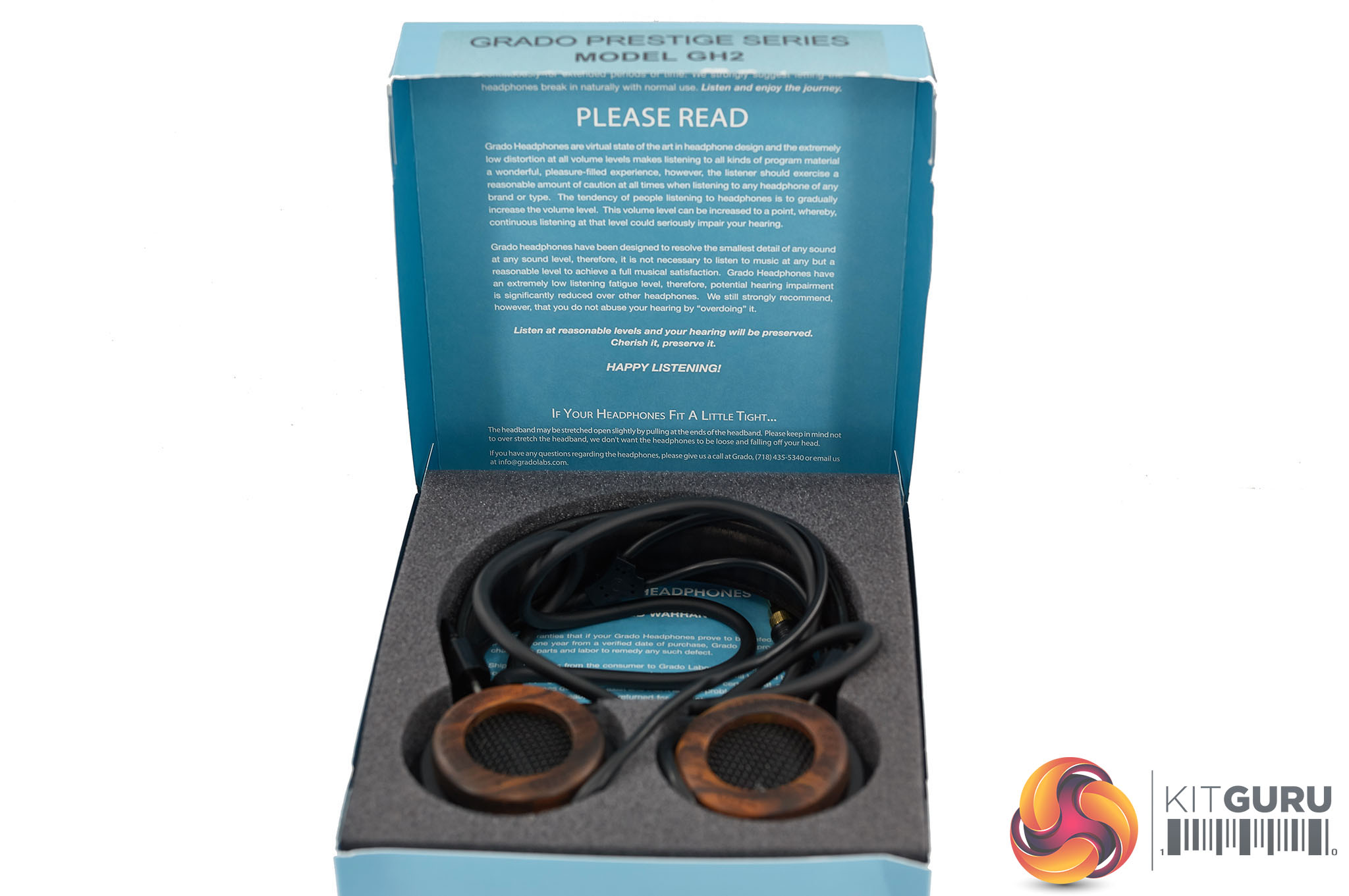
Inside, yet more literature on the headphones along with some fitting guidelines.
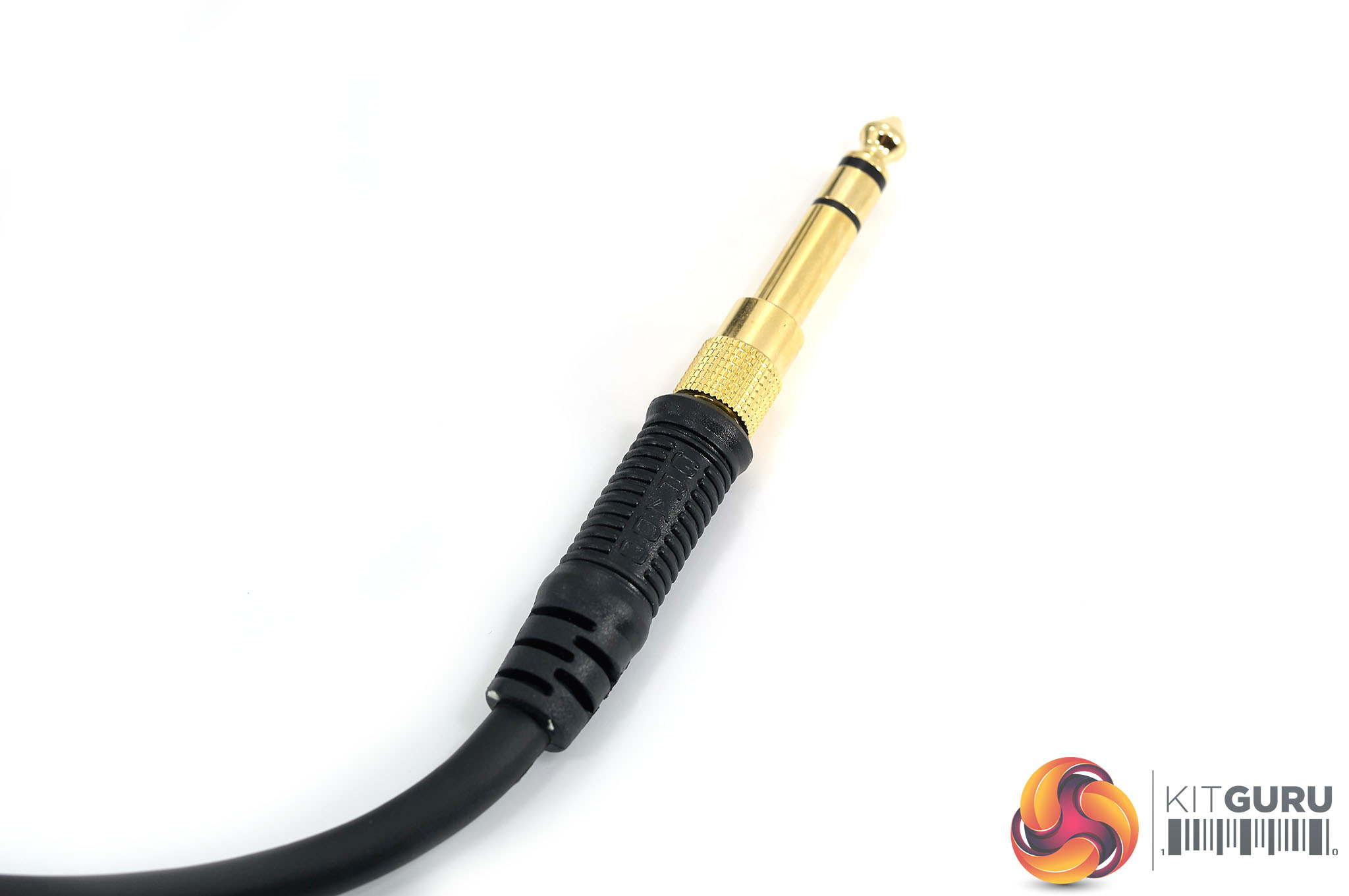
There is no cable extension in the box, and Grado have opted for a small 3.5mm jack, fitted to a 1/4 inch sized adapter. The cable length is 3 foot. If you already own one of the more expensive Grado headphones then you will likely find this unusual, as Grado tend to fit the larger 1/4 inch plug to the cable directly, with a 3.5mm extension adapter cable for connection to portable devices, such as a phone.
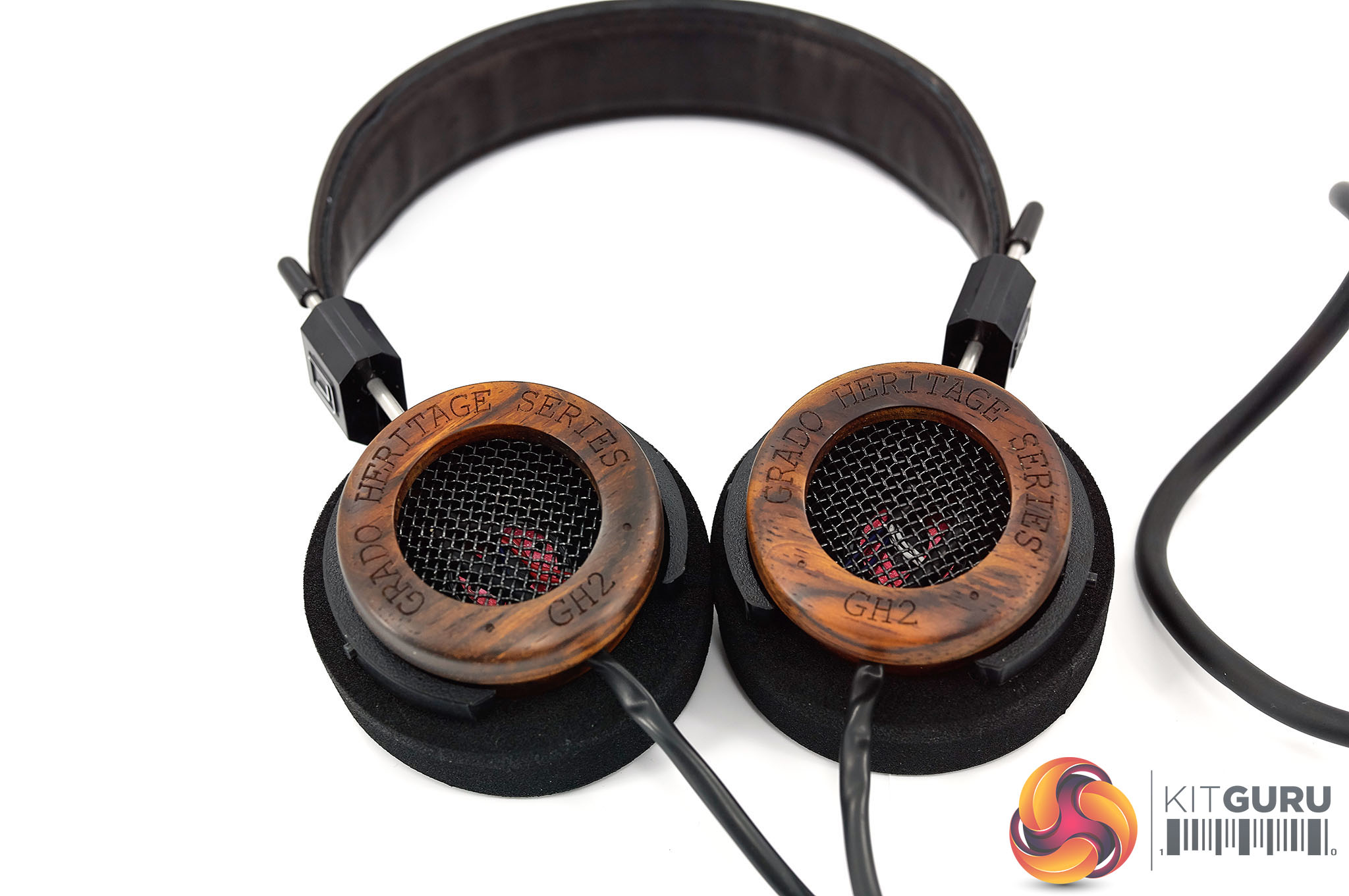
The Grado GH2 Limited Edition headphones are beautiful in the flesh, and I hope my pictures do them justice. I know Grado headphones split opinion quite dramatically – you will either love, or hate the appearance. The Cocobolo wood will vary in appearance, from headphone to headphone – no two will be the same.
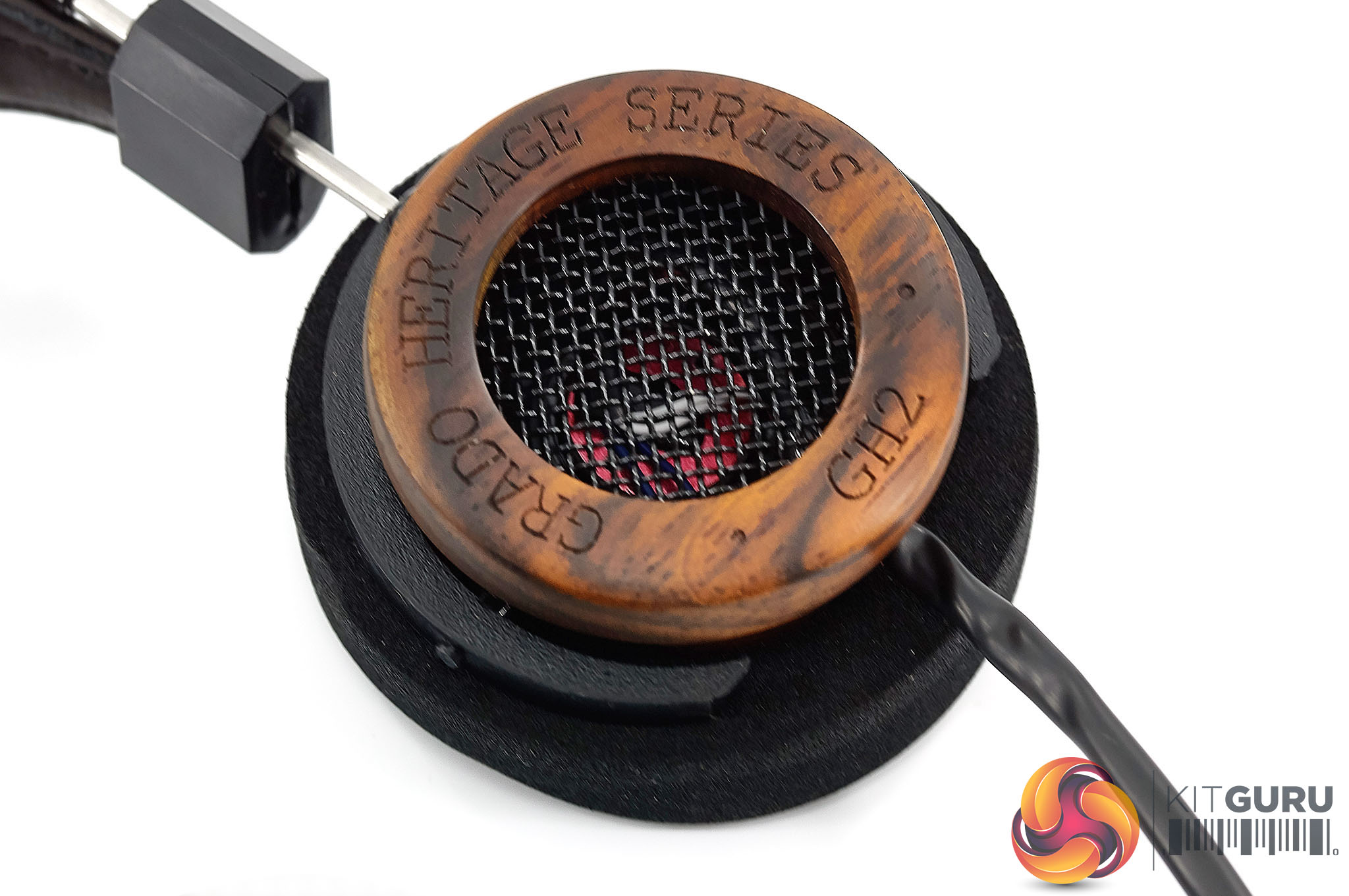
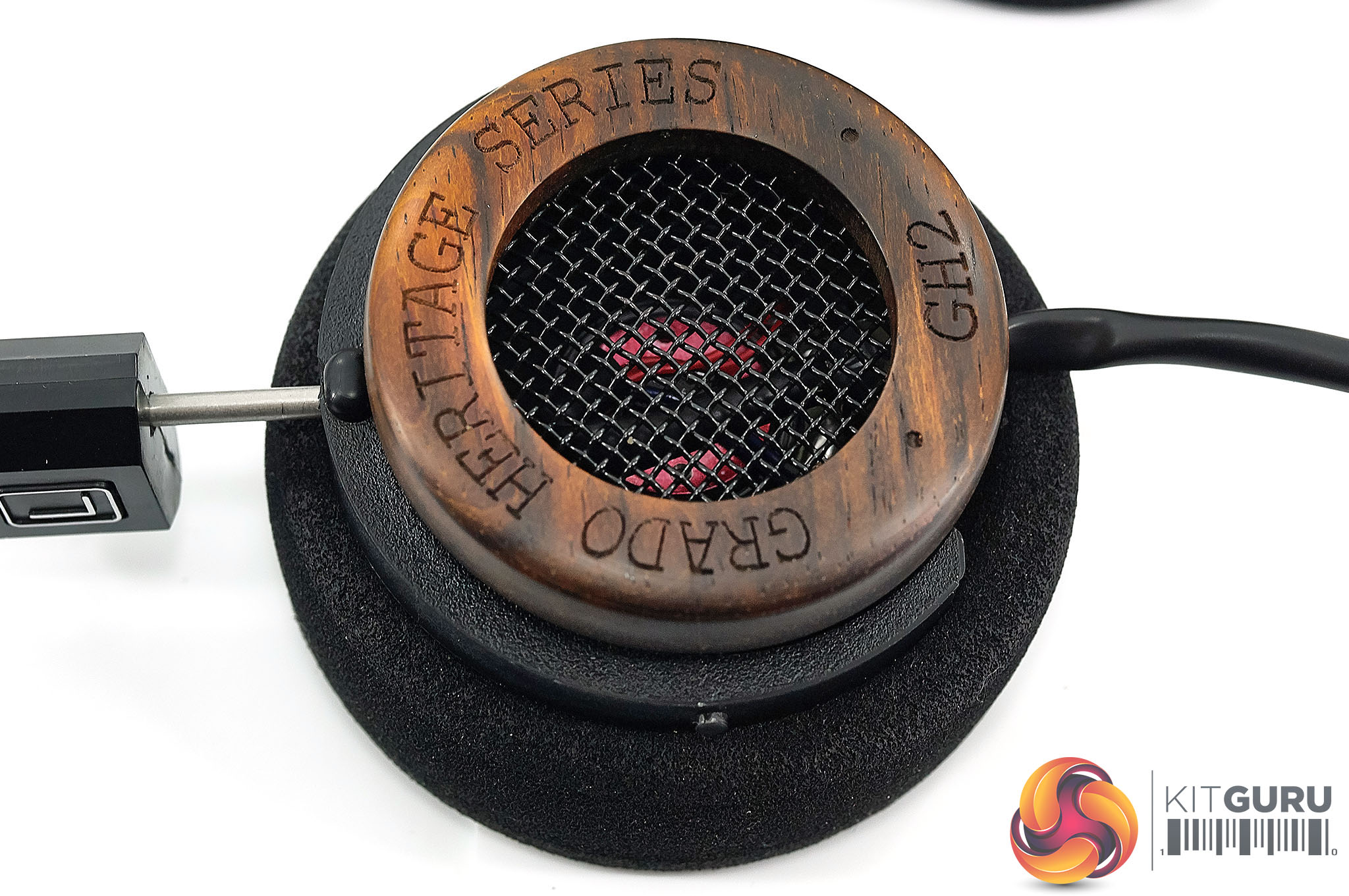
These are open back drivers with an air chamber made from Cocobolo wood. Every pair of headphones is hand made from start to finish – which in my opinion gives them a sense of exclusivity. Even the headband is hand sewn.
Grado are using a pair of their newest ‘red' drivers, which can be seen behind the black grill.
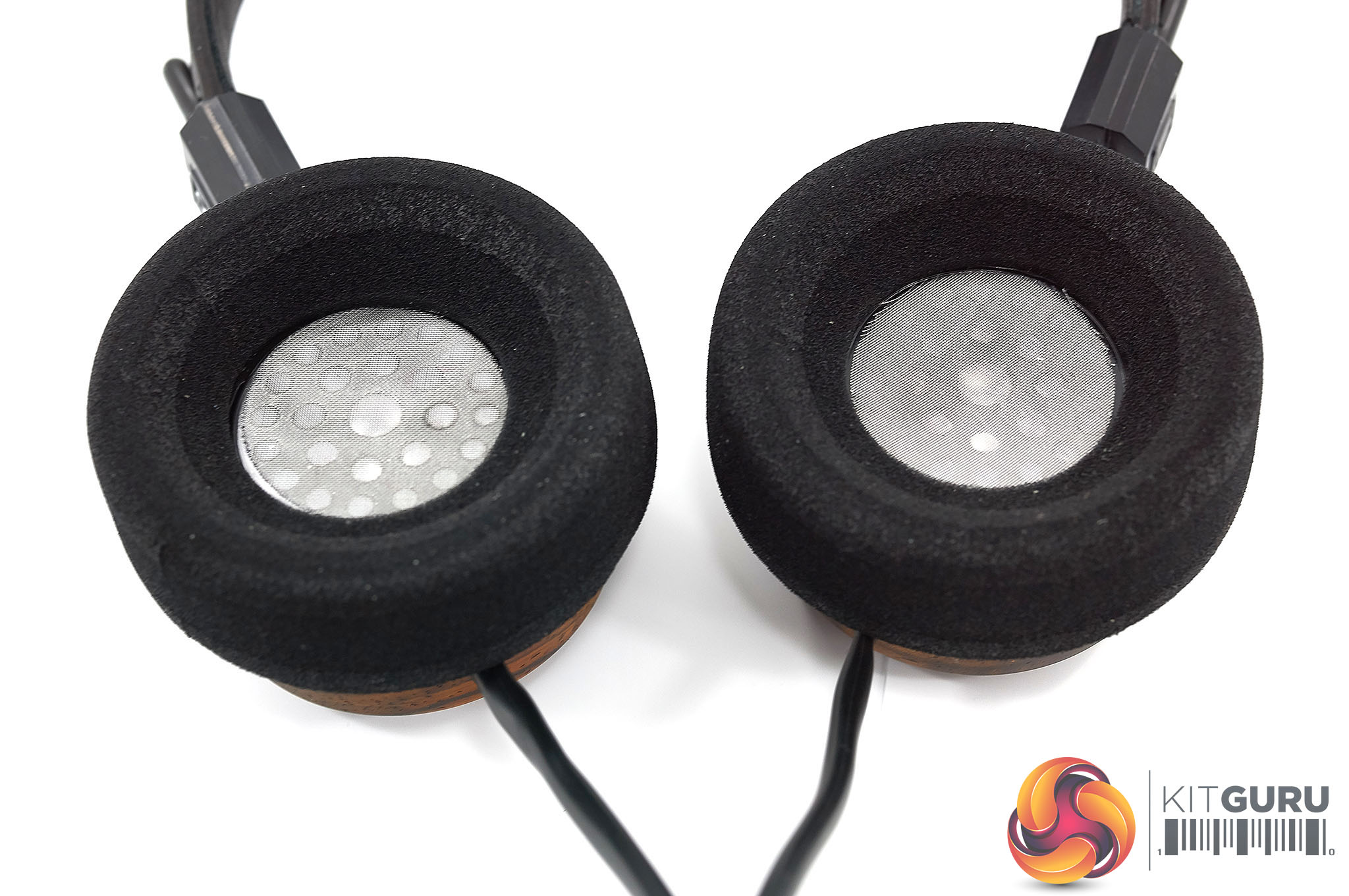
Grado supply a pair of soft ear pads with these headphones, but they are interchangeable. You can actually attach different sizes of ear cushion to the cups if you want – changing the sound signature and staging quite significantly. This falls outside the confines of this review, but you can see some of the available options over HERE. I test them with the supplied ear pads in this review.
The cable is HPLC copper to deliver a high quality signal to the drivers and UHPLC copper voice coil.
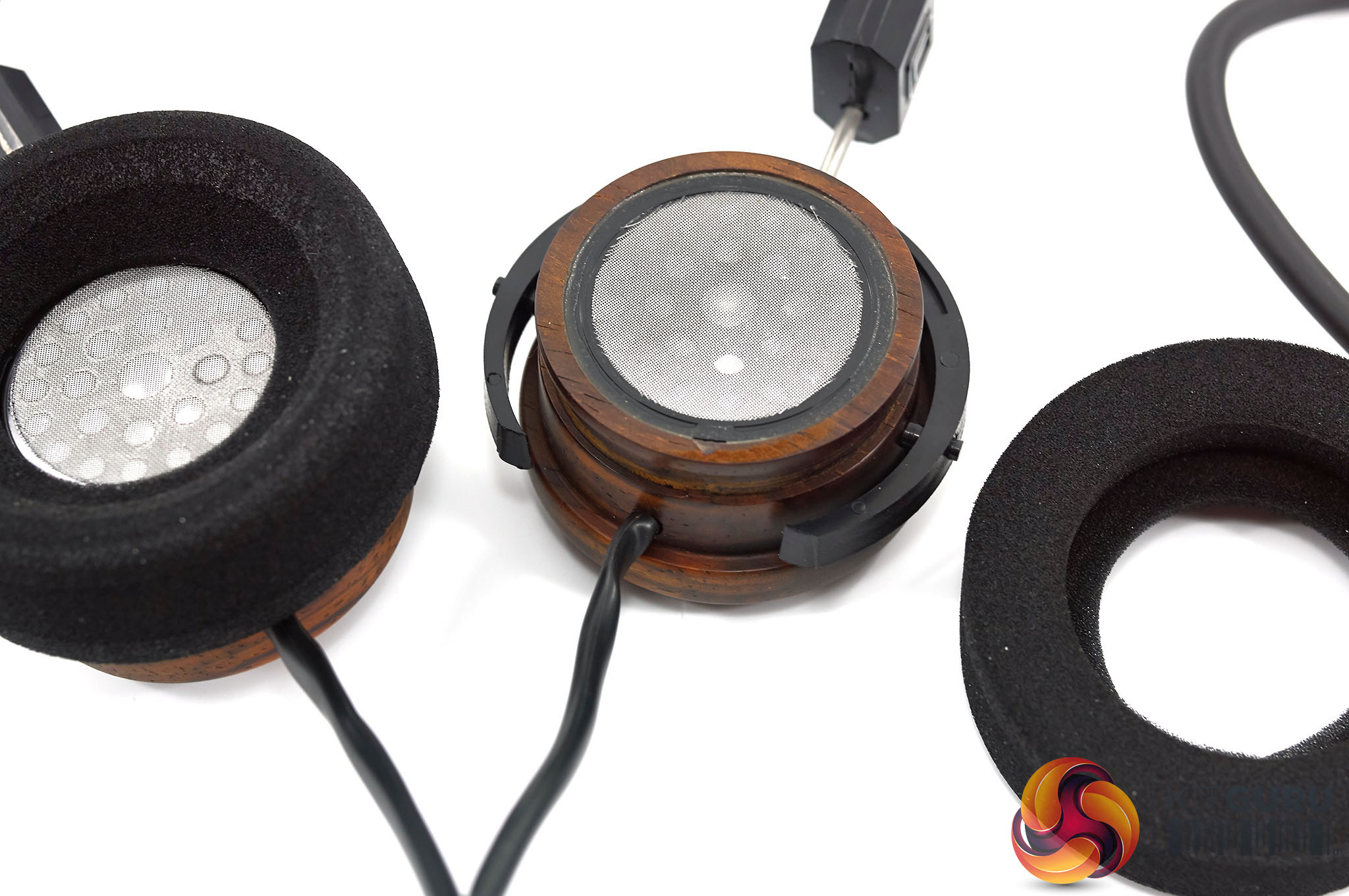
As I mentioned earlier – every pair of Grado headphones is hand made, and as such you will often notice tiny little imperfections in the build, generally around the driver and earcup. Think of it as adding more charm to the design.
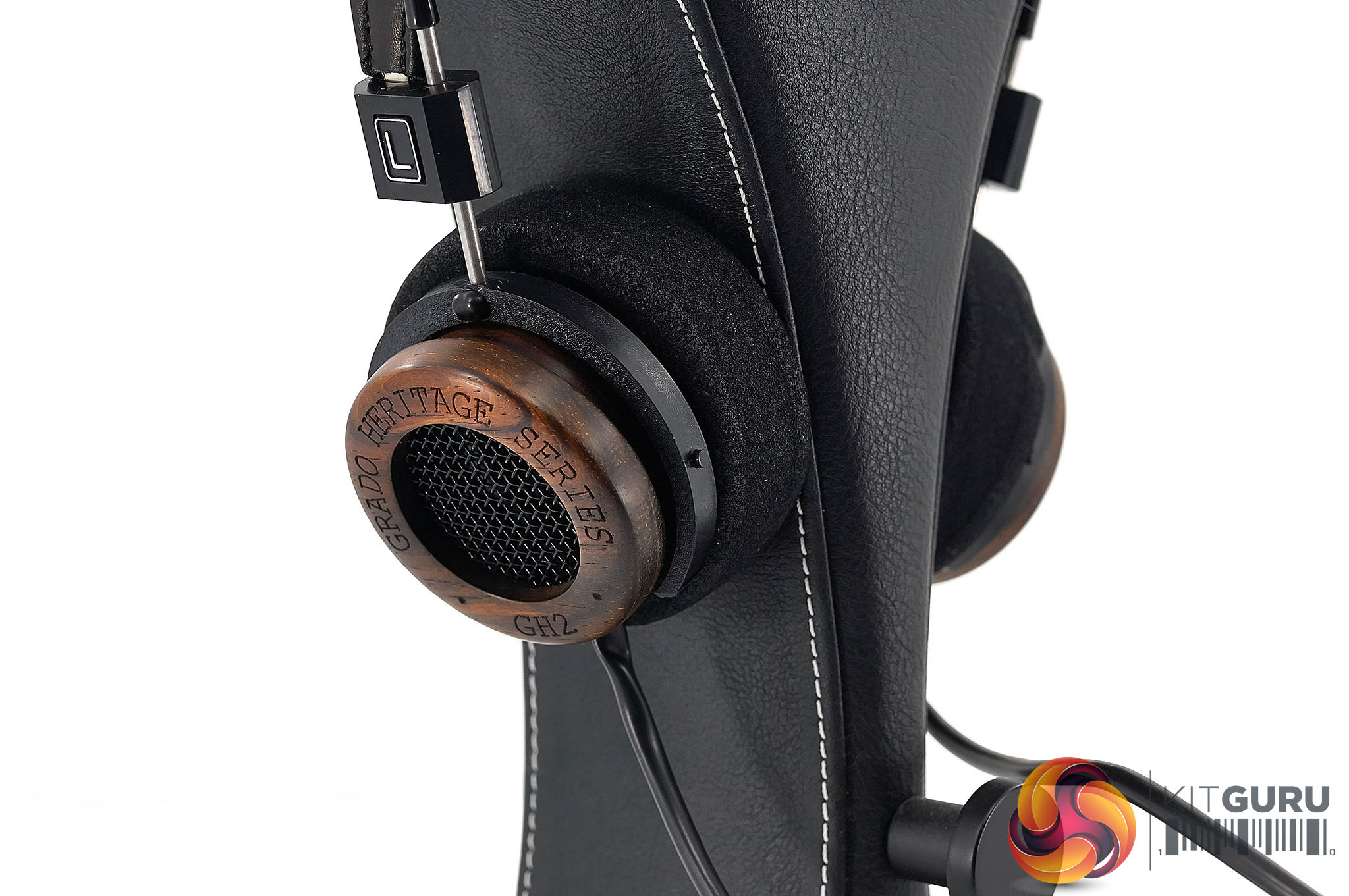
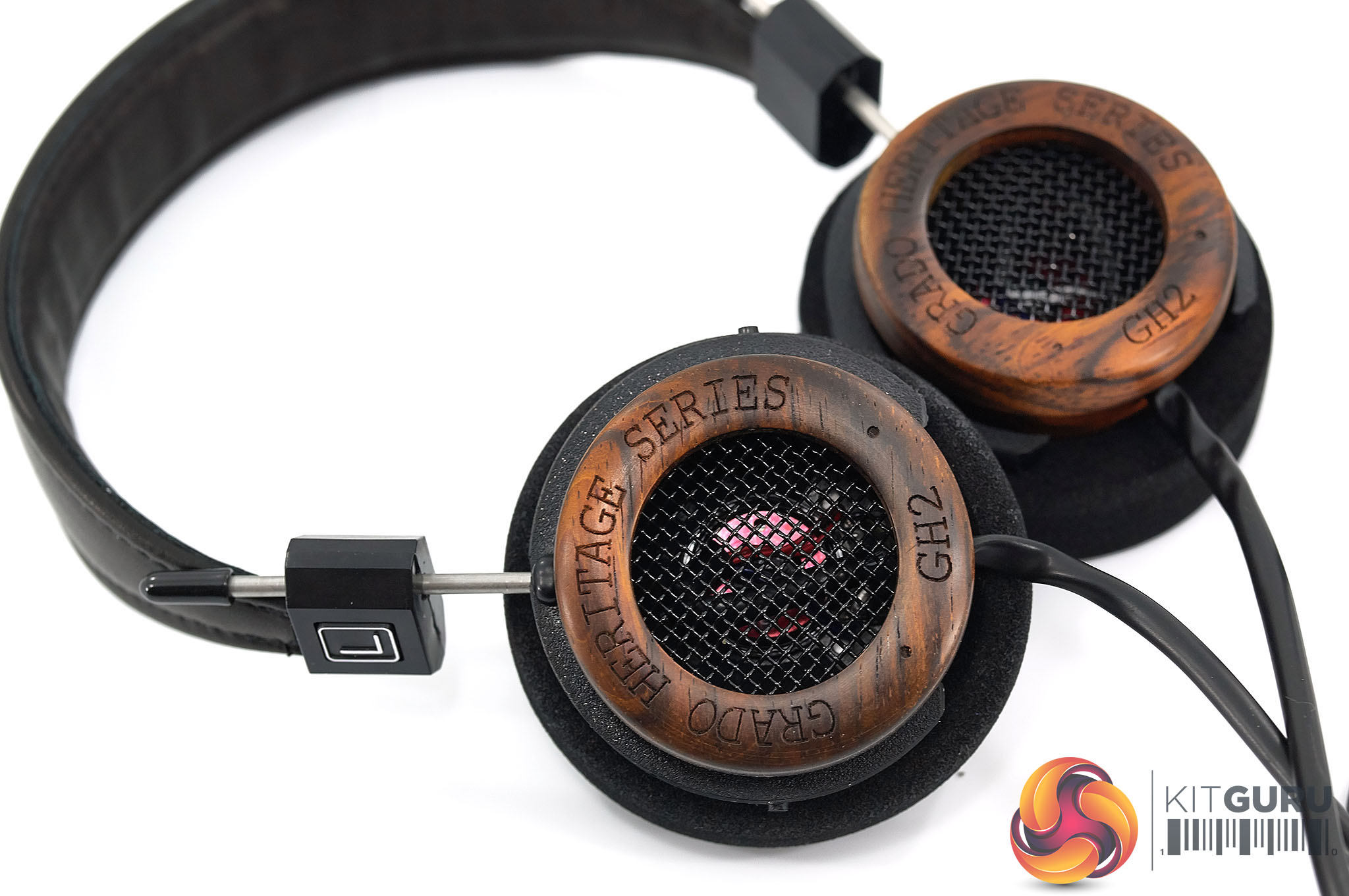
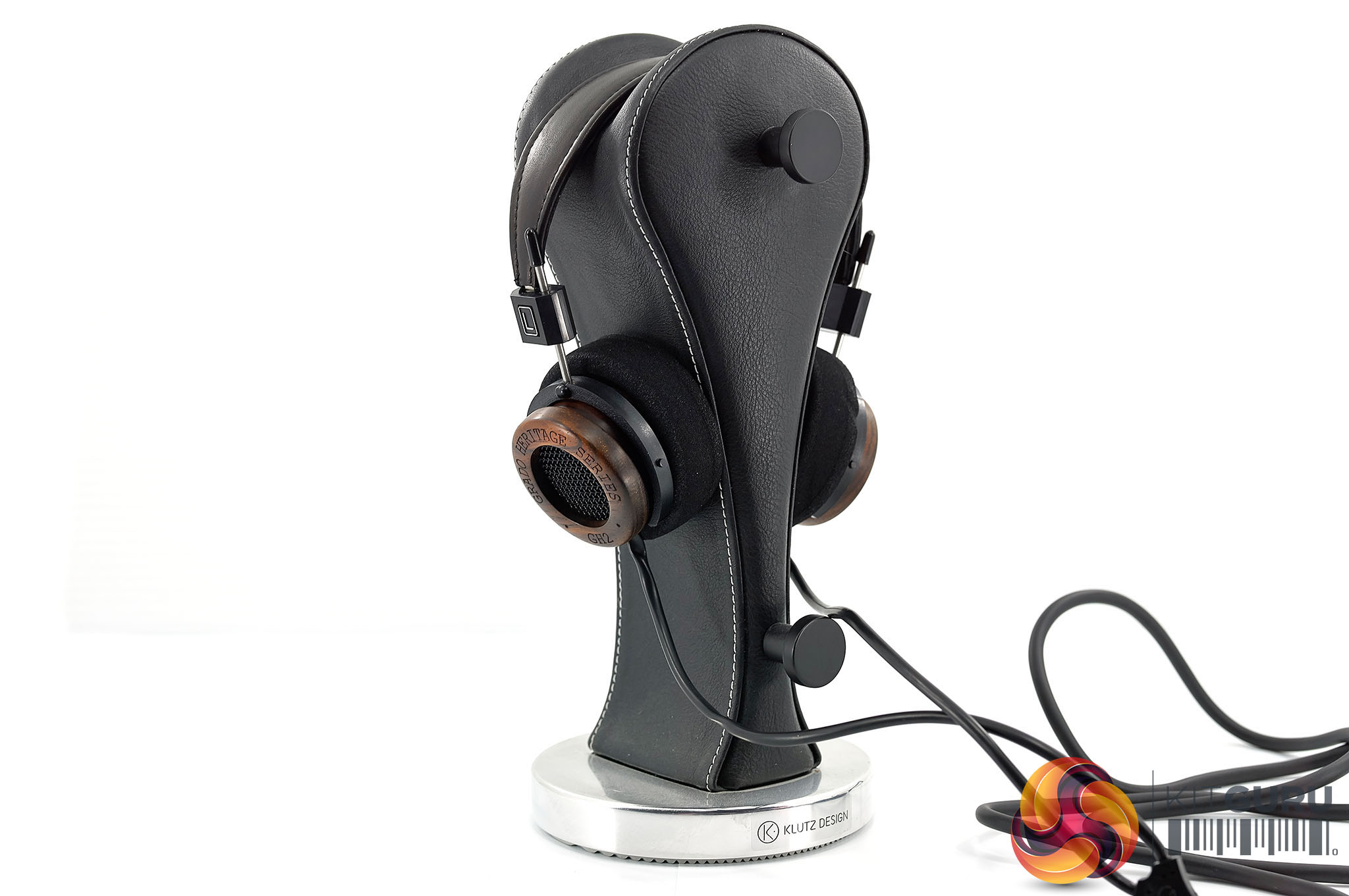
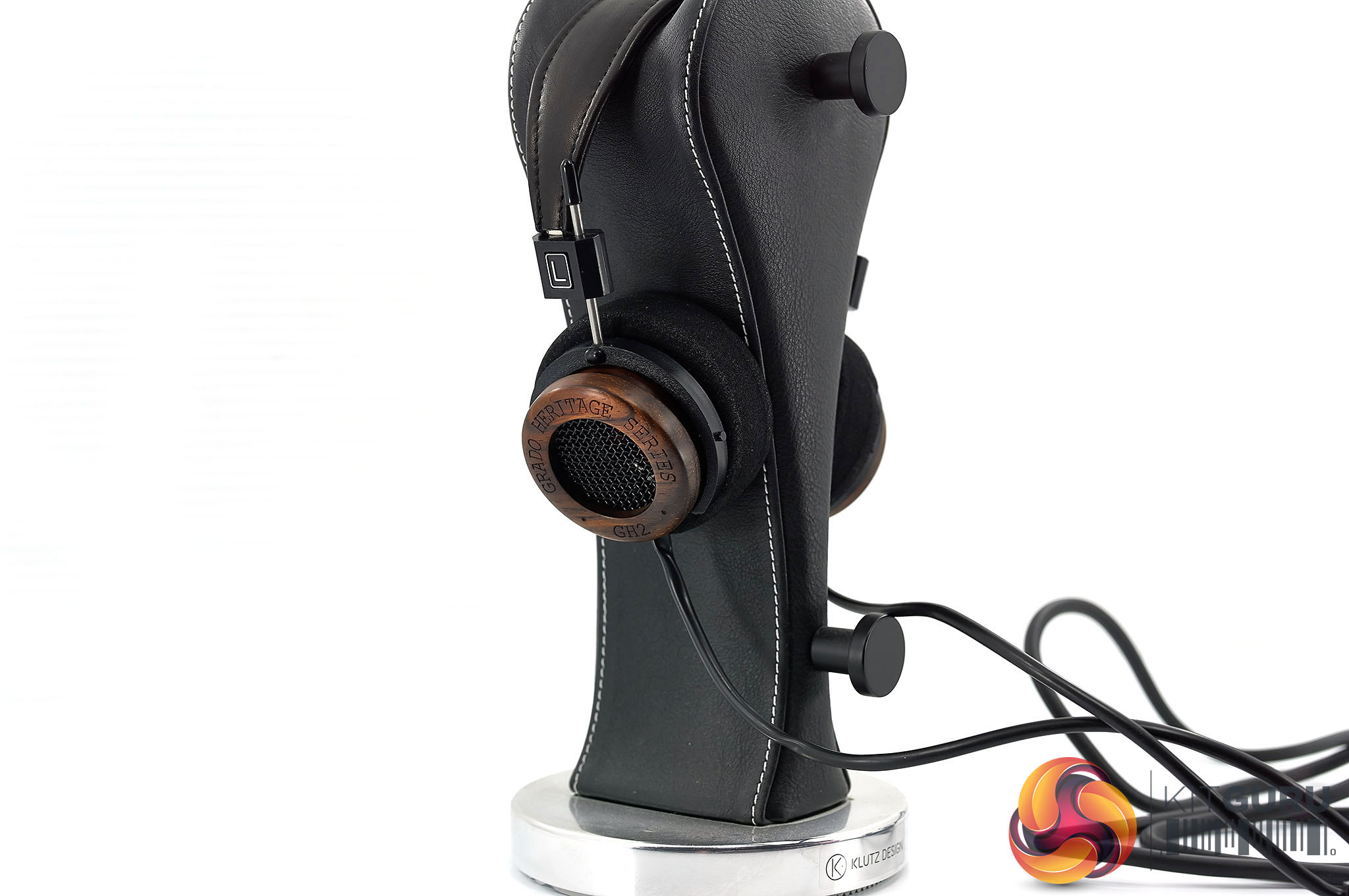
After using the HiFi Man HE1000 and Abyss 1266 headphones for some time, I was immediately taken aback by how little The GH2 Heritage weigh in hand. They are very comfortable to wear however as they don't put any stress on your neck or shoulders and they are easy to walk around with – although they do attract a lot of interested looks from people! Break away from the BEATS crowd I say!
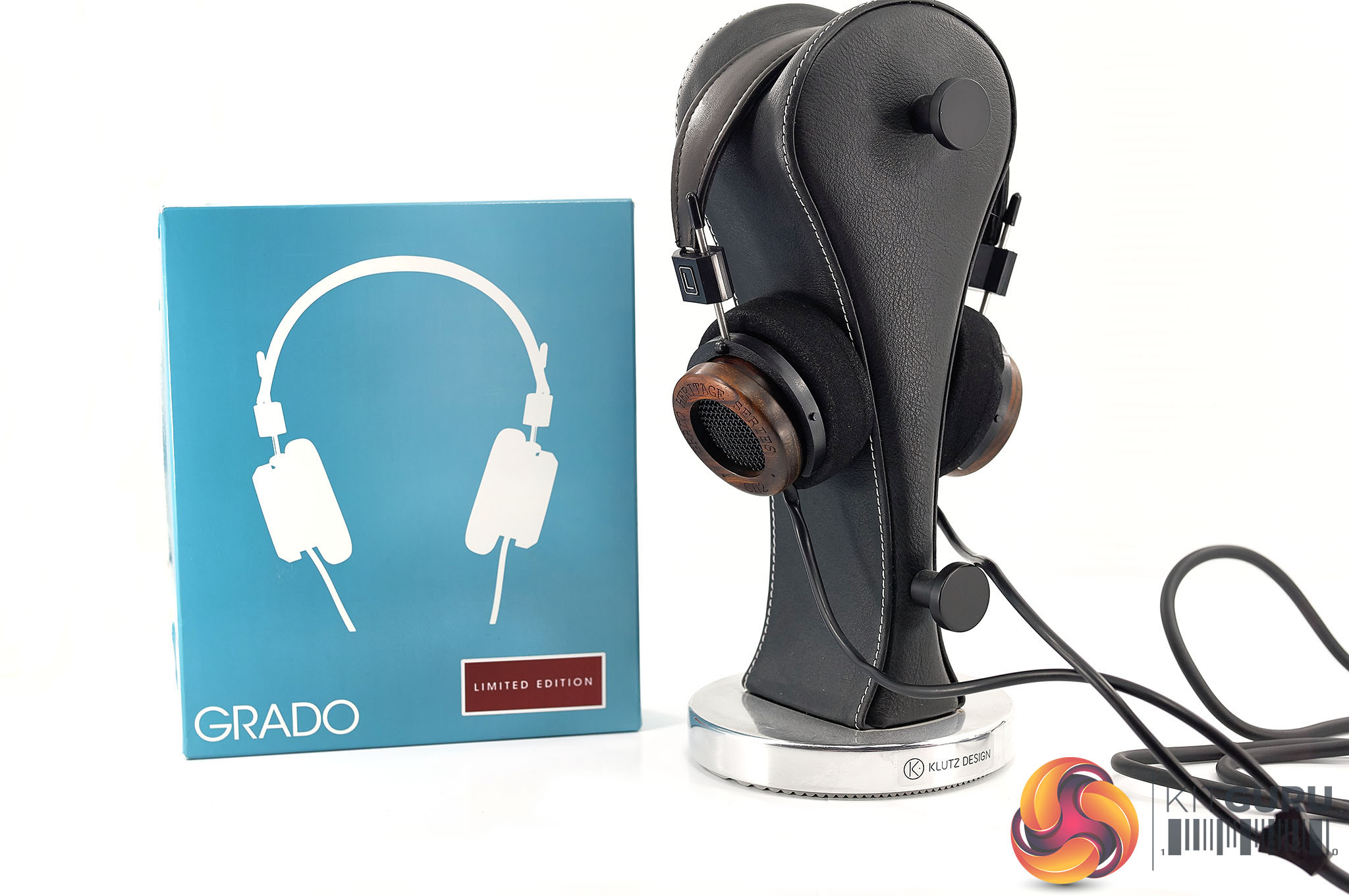
I genuinely do like the appearance of the Grado GH2 Heritage Limited Edition headphones. The textured wood surface and medium sized earcups make them versatile, each to carry around, while delivering very high levels of sound quality well in advance of any mass market headphone available on the market today.
To properly test these kind of headphones you need to ensure that you are using capable equipment. Of course not every headphone will create perfect synergy with every amplifier as i have explained in one of my previous articles over HERE. To try and negate this as much as possible I have built a universal high end setup which I feel works very well with every headphone I have tested (Electrostatics are not included obviously).
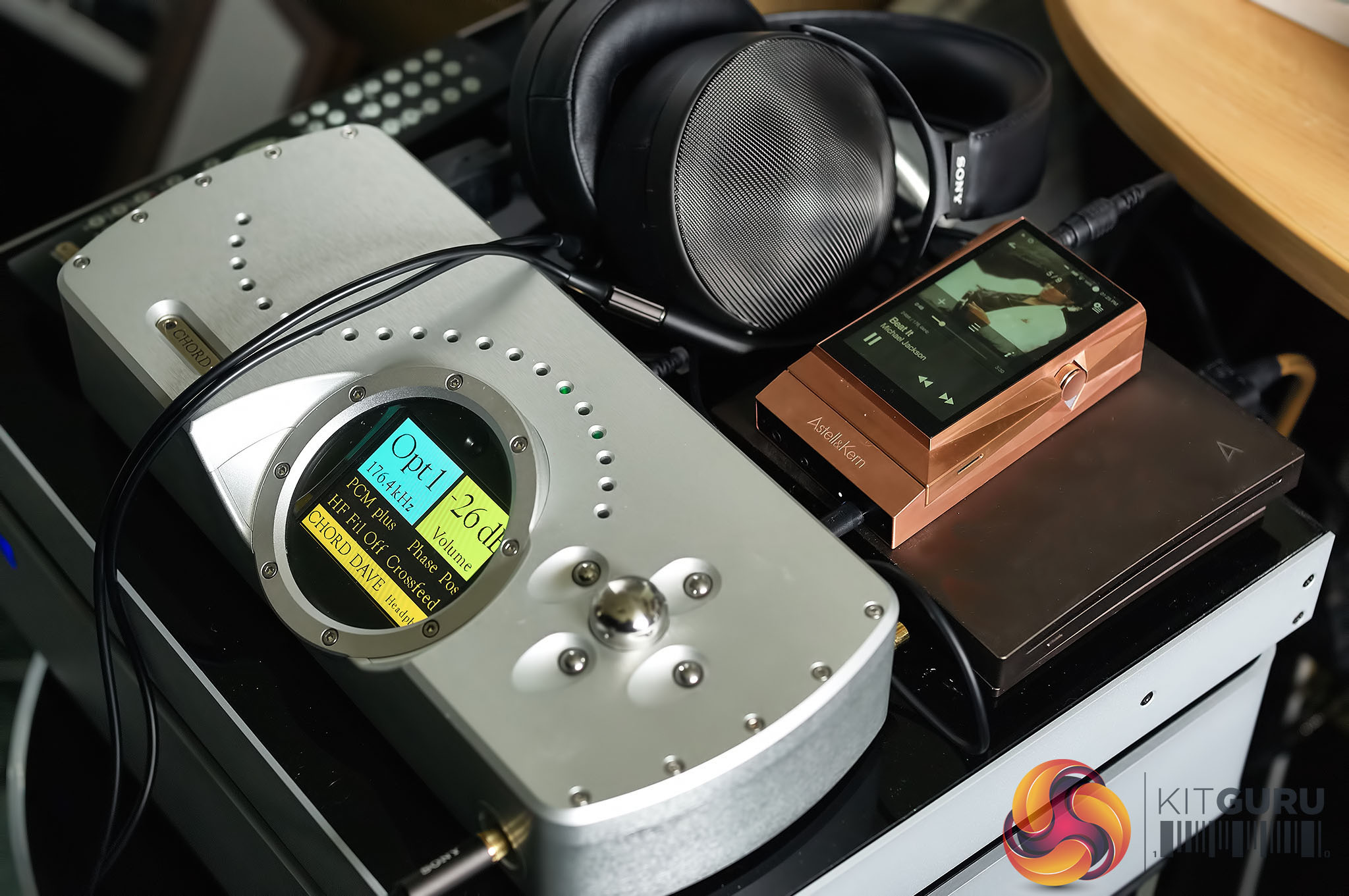
- Chord Dave DAC £8,500 inc VAT – available HERE.
- Astell and Kern AK380 (Limited Edition Copper Version) – £3,199 inc VAT – available HERE.
- Astell and Kern CD ripper £400 inc VAT.
- PS Audio DecTet Power Centre – £450 inc VAT – available HERE.
- PS Audio PerfectWave PowerBase – £999 inc VAT – available HERE.
- PS Audio P3 Power Plant Mains Regeneration – £2,300 inc VAT – available HERE.
- PS Audio Perfect Wave AC 10 power cables x 3 £499 inc VAT per cable – available HERE.
Total cost of KitGuru headphone test bed – £17,350.
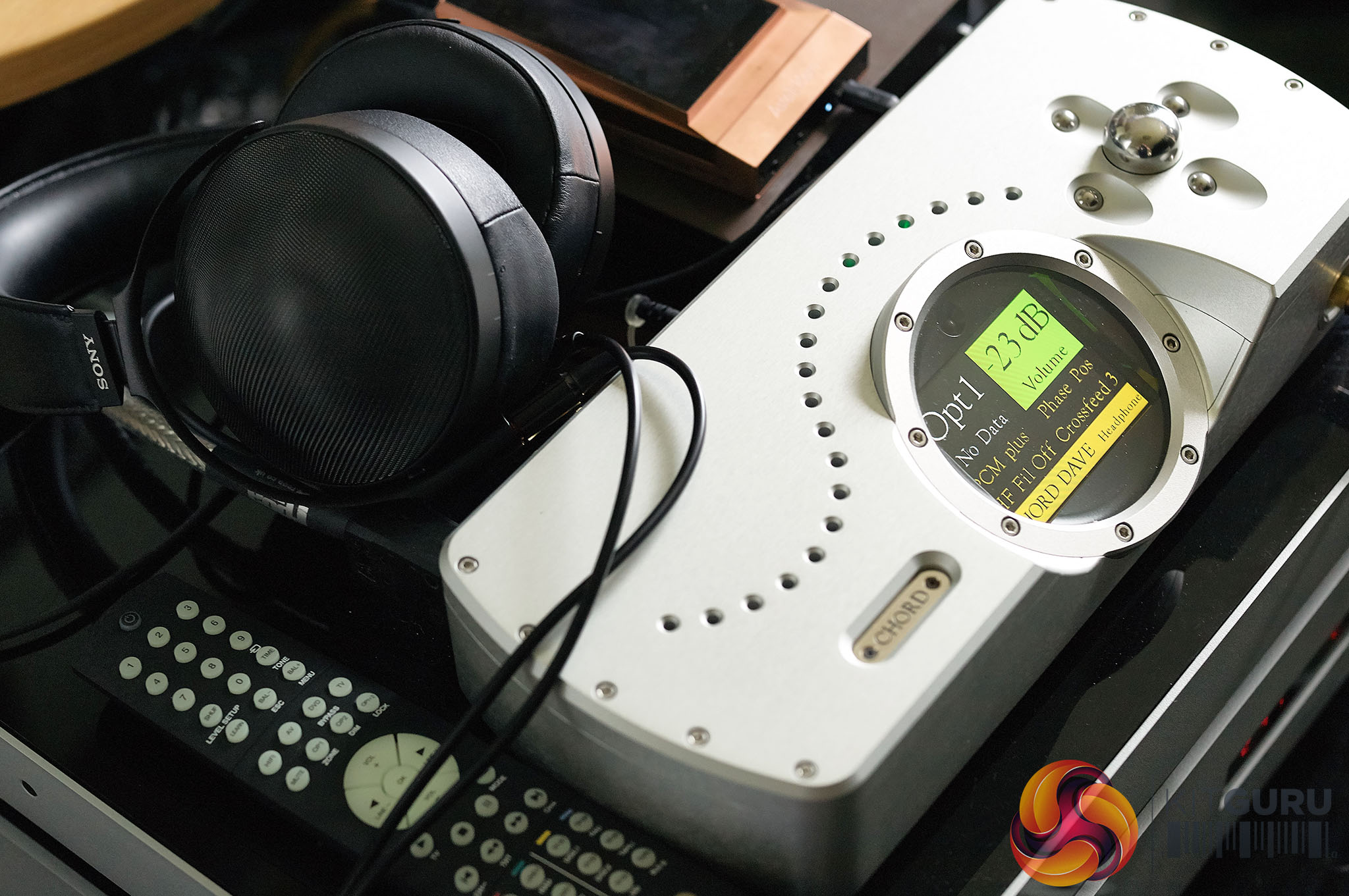
The Chord DAVE DAC is without question one of the most incredible pieces of audio equipment you can buy. It is the high end DAC in their current line up, created by audio genius Rob Watts.
Many of Chords competitors buy in DAC chips from the likes of Burr Brown or Wolfson and then they would create their digital to analogue sections around these. Chord have rewritten the rule book by creating a FPGA (Field Programmable Gate Array) with proprietary software. No other manufacturer will sound like Chord as they aren’t using an ‘off the shelf DAC’.
The DAVE is based on the Spartan 6 field programmable gate array which has been utilised in other products by Chord. The new design however incorporates a massive version of the Spartan 6. This high end FPGA is the LX 75 version of Xilinx’s Spartan 6 – a new chip with 10 times the power of the previous flagship model, which is called the QBD76.
Rob Watts has also developed a WTA interpolation filter which utilises 166 separate DSP cores with an incredible 164,000 taps.
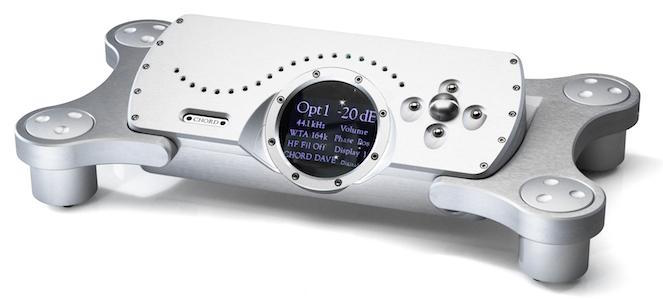
The build quality of the Chord DAVE is unmatched in my opinion. It is built like a proverbial tank and is available in silver or black. All of the controls feel as if they would last for decades, even if they aren’t labelled! It has a quarter inch headphone socket with built in headphone amplifier, four BNC based coaxial digital inputs, USB, two toslink connectors and a AES/EBU balanced input as well. There are also four more DX digital connectors using BNC ports which will cater for upcoming products from Chord.
The Chord DAC literally transforms any setup I have at home, adding another layer of detail, transparency, dynamics – with huge depth of field acoustics. When a headphone is plugged into the front port, you also get three options for crossfeed which works remarkably well. So much so, that I tend to use many of my headphones at the maximum ‘3’ setting.
I don’t often buy into these ‘gimmicky’ options that many manufacturers use to generate sales, but The DAVE implementation for Crossfeed is truly remarkable. I had a quick chat with Rob Watts and he said when he uses headphones via the DAVE he has it set to ‘3’ and I would tend to agree. The higher setting adds a lot to the overall presentation – as it attempts to recreate the acoustic overlap you would get from listening to floor standing speakers. With it off, you can immediately notice how incredibly flat the side ways projection can be between your ears.
The headphone amplifier in the Chord Dave is very powerful. It manages to handle the tricky Abyss 1266 without any problems, reaching the same levels as I get with the Cavalli Liquid Gold. So much so, I no longer even have the Cavalli amplifier in the mix. The biggest upgrade with the Abyss 1266 is investing some money into a set of third party cables to quell the rough edges around 1kHz-2kHz.
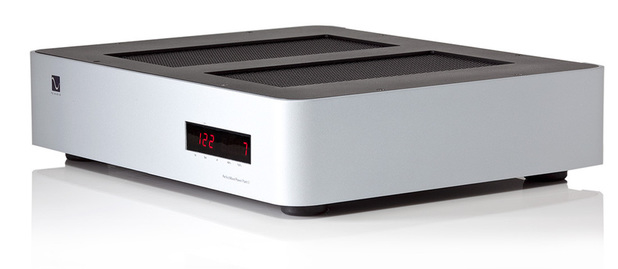
Investing in a PS Audio P3 Power Plant Mains Regenerator was one of the greatest moves I ever made. I wouldn’t say my mains at home was particularly dirty, but like many people in the UK my feed would often move between 241v and 230v – getting worse in the evening. Adding the PS Audio P3 noticeably enhanced the black space on tracks. It also improved dynamics and ‘openness’ and just to prove a friend wrong, I did a blind test one evening and noticed every time it was disabled. I always find it removes a fine layer of ‘haze’ when listening to some of my favourite tracks.
Basically it takes the AC power, rebuilds it from scratch, feeds it into 3 separate regenerated zones with a 4th high current unfiltered zone. In real world terms this removes any kind of noise and mains fluctuation before it reaches the audio equipment – to give you pure, smooth power. It really is not a gimmick, I can hear it with my own ears. You can even adjust the output voltage if you wish.
PS Audio do more expensive models all the way up to £5,000 (for the P10 flagship), but I find their P3 £2,000 model (recently increased to £2,300 due to Brexit) is more than up to the task of powering a wide cross section of amplifier (with a 750 VA output capacity). I won’t bore you with how it works, but if you are interested, check out the information HERE – and you can buy a UK version directly from Gary Penska at Analogue Seduction in the UK HERE.
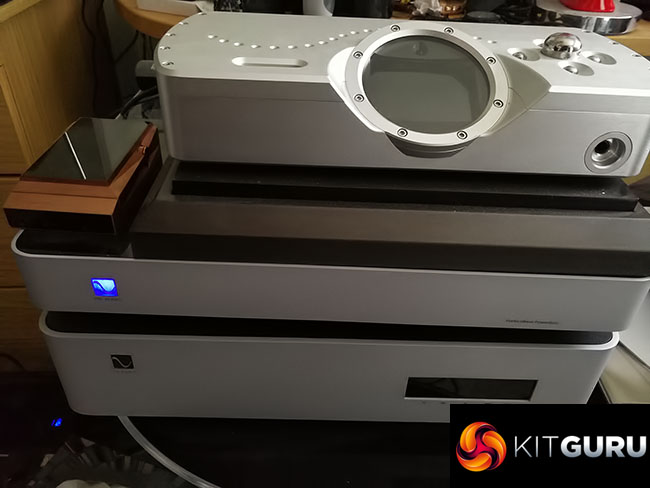
I also use a PS Audio PerfectWave PowerBase in this setup as it combines an isolation base with a power condition. When paired up with the Mains Regeneration unit, it is a powerful combination. You can buy this from Analogue Seduction for £999.00 HERE.
I still buy CD’s so the Astell and Kern CD ripper is a very useful device – you get a perfect WAV copy of the album straight to the internal storage on the AK380 device – and if you are connected to the internet via WI-FI it also snags the artwork and track names without any intervention.
The GH2 Heritage had been bedded in for 100 hours before my review took place.
I tested the headphones today with a variety of FLAC and WAV files either in 16 bit or 24 bit format, via the Astell and Kern AK380 over optical to the Chord DAVE.
I also hooked in a Mac Pro desktop system over USB into the Chord DAVE and it worked flawlessly.
Paul Simon – Rhythm Of The Saints (2011 Remaster) 24 bit 96kHz.
I was a big fan of the Paul Simon Graceland album, and I have heard it that many times that I decided to move onto his follow up album which didn't seem to receive such critical acclaim. I actually ended up liking this album more and some of the arrangements are incredible. ‘You Can Call me Al' – well yes Simon you can, but i would rather not hear that song again. Thanks.
I played ‘The Coast' from this album and was very impressed by the overall neutrality of the GH2. In many ways it did sound quite similar to the GH1, which I still have in my collection. The GH2 was able to seperate the multi layered recording to a very high level and my foot was tapping along as the track unfolded. The heavy percussive elements in the track were reproduced well by the headphones with a mid sized soundstage.
I particularly enjoyed the GH2 mid range with this track – the vocals came through unhindered by any design issues and the higher frequencies exhibited very little, if any siblance. Only a very slight hint of grain was noticeable, but other people listening to the track were unable to pick that up.

Beth Hart – Fire On The Floor – 24 bit 44.1kHz.
This is a great album that never really hit the mainstream and Beth Hart is a vocalist you will either love or hate. Her gritty style of delivery embodies passion and fire. The track ‘Woman You've Been Dreaming of' is beautifully recorded with her vocal positioned up front beside you and crystal clear in the mix.
Beth has mastered the technique of getting her voice to break just at the right time. The GH2 were able to convey her fire and pain with the best of them I have reviewed in recent years. There was a slight edge to the vocal in the mid range via the GH2 which worked extremely well. I actually enjoyed this track more with the Grado GH2 than I did with the Sennheiser HD800, which is very high praise. I prefered the slightly smaller, warmer soundstage via the GH2.
The bass response from the GH2 also deserves some praise. The bass is not overpowering or muted, but tight, impactful and precise. I couldn't always say that when listening to a Grado headphone – so I have to applaud the particular tuning the company have settled on from the factory. I am not a big believer in overblown bass, but it needs to be present with some weight to convey the drive.

Deep Purple – Machine Head – 24bit 96kHz.
One of my favourite albums from eons ago. This is what I would consider prime Grado territory and the GH2 didn't disappoint.
The track ‘Highway Star' flowed very well with the rhythm force of Paice and Glover positioned perfectly in the mix. The bass in particular was very tight, and not bloated or soft in any way. There was also some faithful reproduction of sub bass frequency response although some of the other (more expensive) headphones I have in my possession can reproduce the lower frequencies better. The Abyss 1266 in particular rattled my tooth fillings extensively. That said, at a ‘mere' £650, the GH2 do feel like quite a bargain.
Bruce Springsteen – Greetings from Ashbury Park – 24bit 96kHz.
One of the handful of classic Bruce Springsteen albums I have in my collection. The Grado GH2 really did manage to convey Springsteen in all of his 1970's glory. ‘Growin Up' was reproduced in a very clean manner, with a very balanced mix – plenty of bass and lovely mid range, with detail aplenty. I noticed a little treble roll off, which worked well on this track as some of the more detailed headphones I have can tend to bring out every little naunce of detail which can make long term listening rather fatiguing.
‘The Angel' was quite a surprise, with the intimate sound staging of the GH2 ensuring that Springsteen was positioned very close to the plano – and my head.
This is a pretty old recording by today's standards, but I like to include some information on the reproduction of older tracks as many people still listen to rock albums from the 1960's and 1970's. Many of these older albums are analogue recordings with audio output from valve amplifiers and microphones.
I actually preferred the overall sound stage from the Grado GH2 with this track than with the more revealing Sennheiser HD800. The soundstage from the Sennheiser headphone was just too wide to my ears.
The Grado GH2 Heritage Limited Edition Headphones have impressed me greatly, especially when factoring in their somewhat modest pricing. Yes I am aware £650 is still a lot of money, but some of the headphones I have reviewed and used for comparison today are well in excess of £2,000.
I haven't always been a big fan of the John Grado sound signature, as it can tend to sound a little accentuated in the higher frequency register with specific tracks – its a common side effect of the ‘V' shaped signature they tend to favour. The Grado GH2 Heritage are a much more refined headphone with focus given to the overall presentation of the track with a flatter EQ. In the real world this means that often you are spending less time focusing on the setup, and are actually just enjoying the sonic palette as it hits the ear drums.
For most people the Grado GH2 will be very comfortable. They are very light headphones, and while Grado build quality can tend to exhibit some ‘rough edges', the overall build quality is very high indeed. We aren't sure you will want to wear them outdoors as they will attract a lot of attention due to the design, but they will also leak a lot of sound because of the open back design.
The sound signature errs on the warm side of neutral which immediately appeals to me. I decided to give them plenty of time to bed in, as before the 50 hour mark I noticed a little harshness to the driver under higher load. After 100 hours, all signs of this was removed from the driver and I found listening to music with these headphones a thoroughly enjoyable experience.
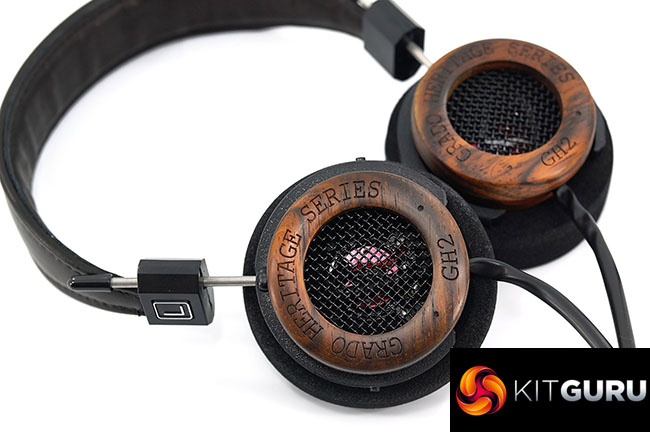
Some people may laugh at Grado's use of ‘Cocobolo' Wood – after all there are cynics out there who beieve that most of this high end audio reproduction is ‘snake oil' anyway – we get it everytime we post a review like this on our Facebook page. I would argue that different woods like KOA or Cocobolo can alter the sound greatly – anyone who has listened to an acoustic guitar hand crafted by Taylor using KOA tonewoods for instance will say that the warmth and depth of the sound reproduction is massively enhanced.
While KitGuru used a £17,000 partnering system for testing today, The Grado GH2 Heritage Limited Edition can be powered very successfully from the headphone jack of a phone or mobile music player. A 32 ohm load with a SPL 1mW of 99.8 dB is relatively easy on any partnering equipment so these are easy enough to carry around with you as you travel. Just be aware they are an open back design and they will leak a lot of sound.
The Grado GH2 Heritage are to my ears, one of the best sub £1,000 Grado headphones available on the market today. They are what I would consider a ‘grown up' headphone from John Grado. After many years of the company chasing accentuated V shape curves, they have realised that dialing the driver EQ down a little combined with a tonally warm wood surround is just the sound characteristic that a lot of people long to experience.
All things considered, if you have just invested in a new FLAC or MP3 player and have £650 left to spend on headphones, I don't think there is a better alternative on the market today. Just be aware, these are not ideal for buses, planes or trains, as they are open back and leak a lot of sound. Think about taking the Grado GH2 with you to a ‘hotel room on vacation' and I have no doubt you would be blissfully happy.
Pros:
- Beautiful wood finish.
- Sound drivers are very finely tuned – to the warm side of neutral.
- FIts both 3.5mm and 1/4 inch connectors.
- You can change over the ear pads with other sizes available on Amazon to change the sound signature.
Cons:
- Poor packaging for such an exclusive headset.
- The looks will not appeal to everyone.
- Leak a lot of noise, annoying everyone in close vicinity.
- Do need around 50 hours for the sound to ‘fill' in and for minor glare to vanish.
KitGuru says: The Grado GH2 Heritage Limited Edition are a bargain in the high end hifi sector. They perform at a level well above their modest asking price. Only 1,200 were made, so stock is limited and once they sell out, its unlikely you will see them ever again.


how are they in compare to grado gs2000e ?