KitGuru KitGuru.net – Tech News | Hardware News | Hardware Reviews | IOS | Mobile | Gaming | Graphics Cards


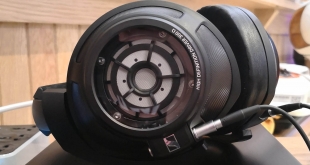
When Sennheiser release a new high end headphone, everyone in the audio world takes notice. It was therefore with great interest when they announced and subsequently released the HD820 that we have here for review today. Not because of the price jump to £2000 (from £1400 for the HD800s), but actually more that it was a closed back design. I certainly wasn't expecting that.
In the high end many of the leading headphone manufacturers primarily release open back headphone designs. The reasons for this are simple. A closed back design often suffers from compromises based around the inherent design. Any audio driven backwards towards the outer shell of the cup can escape in an open back design, but in a closed back design it will likely cause reverberations and unwanted audio deformities.
Imagine all those sound waves getting trapped inside the enclosure and bouncing off the cups – its not a characteristic anyone wants. High end closed back headphones are not that rare however – I can think of several killer closed back headphones from the likes of Fostex and Beyerdynamic and one of my particular favourites is the rather expensive Sony MDR-Z1R. I reviewed this back in May 2017, over HERE.
But before we go any further, a little background history …

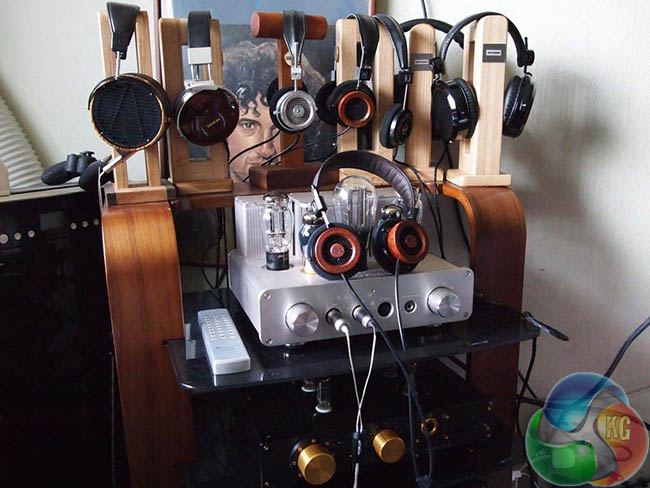
When I am not running KitGuru, I spend quite a lot of time time listening to music. I have been fortunate enough to have owned pretty much all of the high end headphones ever released in the last 30 years, along with many solid state and valve (‘tube’ to our American readers) amplifiers. In all my years of listening – the Sony R10 headphones ranked as one of my all time favourites – and these were a closed back design. Only 2,000 of them were ever made and until very recently I owned two pairs of them. (image above left).
If you manage to find a good pair with the original box and literature on the second hand market, be prepared to pay well over £5,000 – you will need to treat them well and perhaps even give them some much needed TLC. Owners classify them into ‘bass heavy’ and ‘bass light’ pairs – and they were made from aged wood from Zelkova trees. Sony did make other headphones with Bio Cellulose drivers, but the R10 were considered very special indeed.
Eight years ago I was involved in a rather serious motorbike accident and one of the many tests they made me take was to check my hearing wasn’t badly affected by the considerable impact against a car – they do this test on a fairly regular basis, even today. My audio response rates basically at the upper end of the spectrum – a reassuring fact to know, especially as many other parts of my body weren’t quite so lucky.
I only mention this – not to boast that my hearing is great, but to give a little perspective to audio reviews you may read online. When KitGuru tests much of the hardware we get to review – there are quantifiable benchmark figures we can present. Frames per second, the watts demand under load, temperature curves and clock speeds. Its not quite so scientific when we test audio gear.
Much of the enjoyment taken with listening to music is based on many (non scientific) factors – do you like very pronounced high frequencies to extract every little bit of micro detail? Do you prefer a sweet mid range to enjoy those sultry female vocals? It is worth pointing out that the quality of your hearing also plays a significant factor. If your hearing has lost a little of the frequency range response (and its likely to happen the older you get) then a headphone deemed as ‘bright‘ could actually work out better for you. One of my friends is firmly what I would call a ‘bass head’ – so any headphone he wants to wear has to rock his teeth out, otherwise he would simply say ‘Total crap’.
Personally, I tend to favour a fairly neutral curve without any specific frequency range dominating the experience. I do love the Stax 009 headphones, but not for specific genres. They extract great detail from many of my classical recordings, but they are not ideal when you want to enjoy classic rock. The Abyss 1266, Grado HP1 and Audeze LCD4 tend to excel in that particular category, each having their own distinctive sound signature.
Many headphones (and amplifiers/cables) do add their own sound characteristic to the mix, but I would prefer to err on the warm side of neutral, if given a choice. Not everyone will agree with me on this, as it is a personal thing.
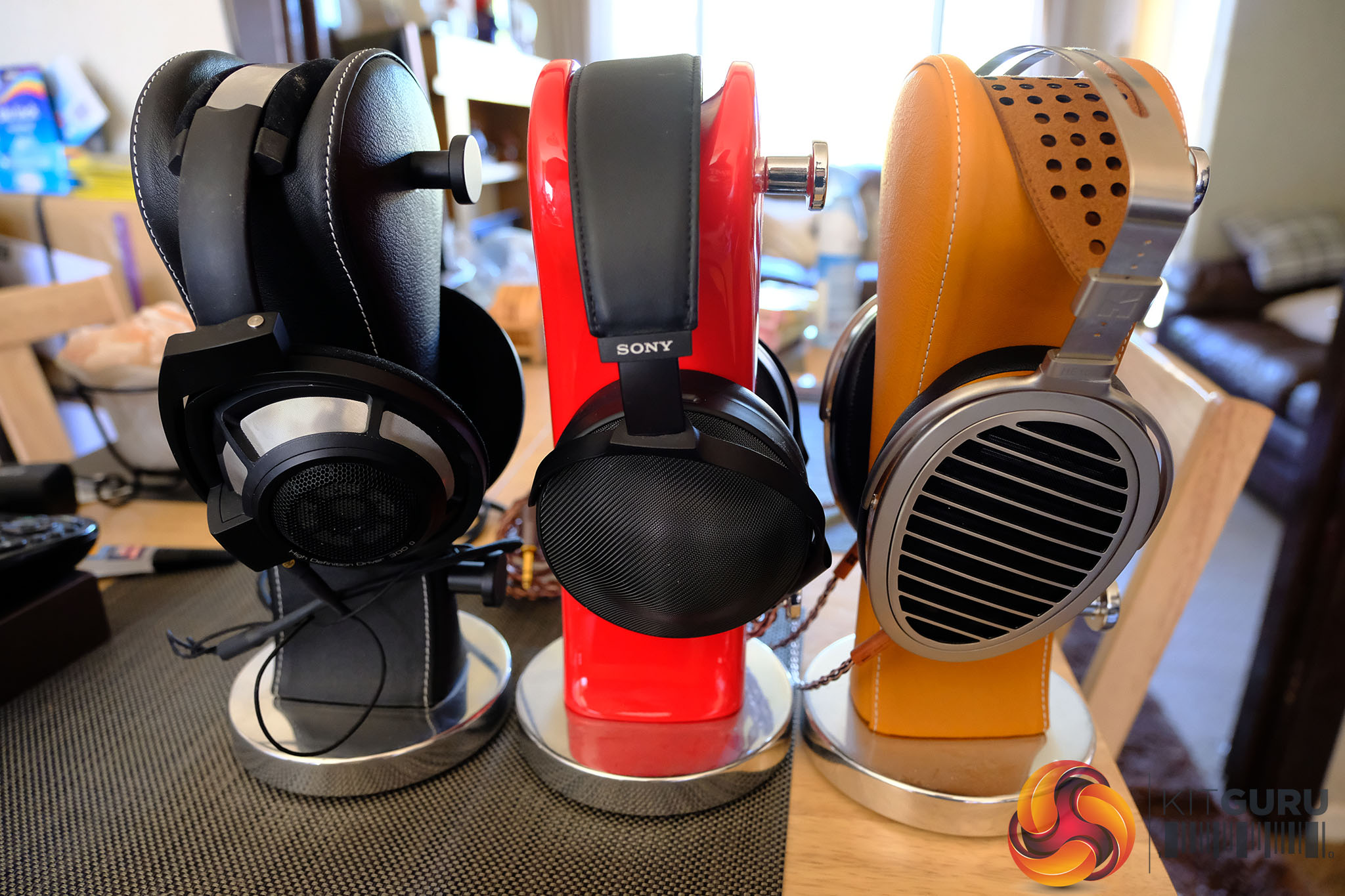
While I could discuss many headphones today, the three that win most of my head time are the (right) Hi-Fi Man HE1000 (Rev. 2 with Kimber Cable), (left) Sennheiser HD800S (with Cardas Cable) and the Sony MDR-Z1R . I had planned to review the HE1000 Rev 2 at the time of launch, but I got rather ill at the time and ended up forced into surgery, so I sadly consider this a missed opportunity for KitGuru.
For those interested, I did cover other headphones and configurations in previous articles which you can see HEREand HERE. I will be making some changes as those articles are now a little out of date, but all in due time.
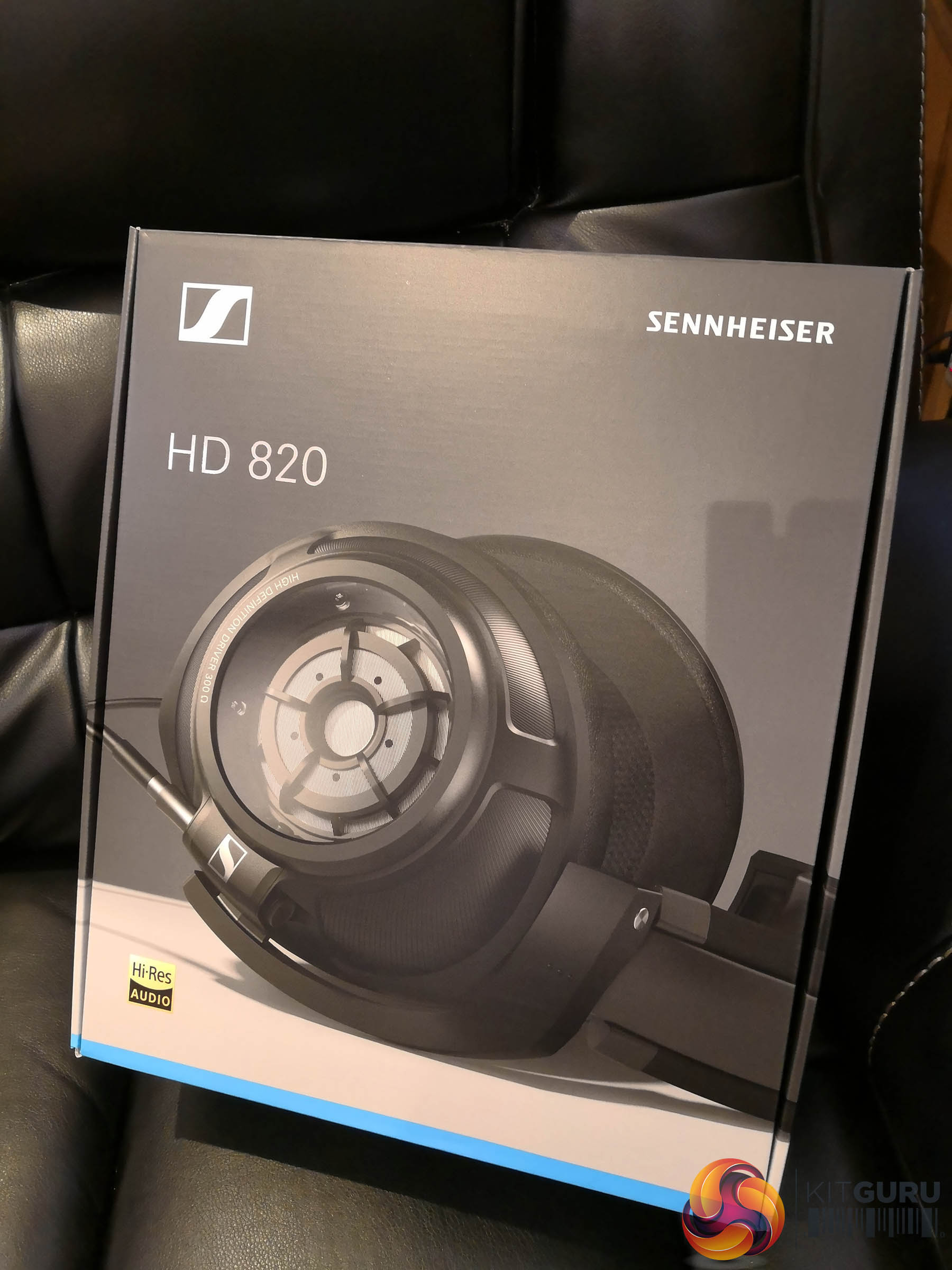
The Sennheiser HD820 arrive in a massive, rather heavy box with a high resolution image of the headphones on the front.
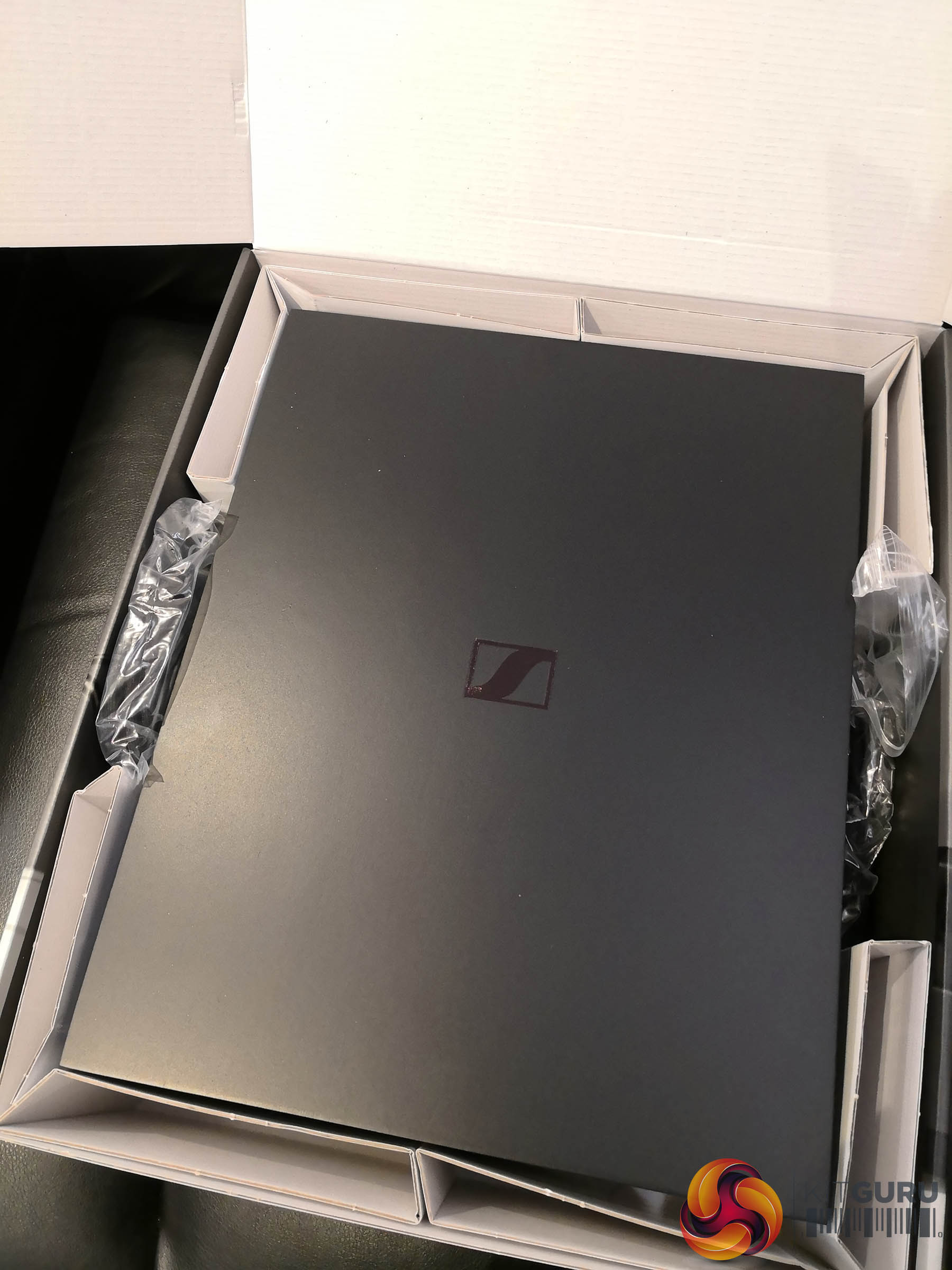
Inside, is a hard storage box, containing the headphones and literature. Inside you get:
- Sennheiser HD820 headphones.
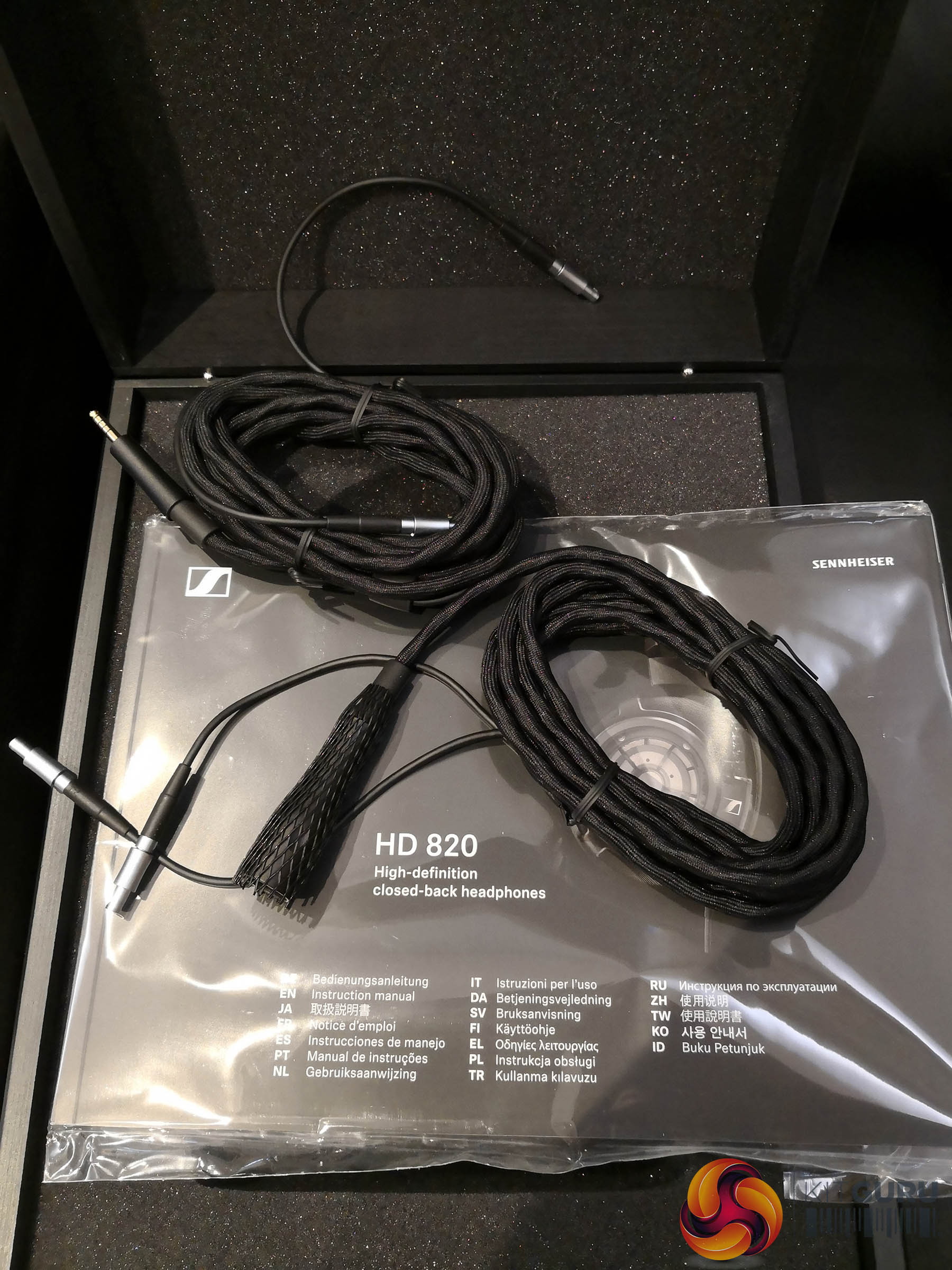
- Three detachable cables. 6.3mm connector cable, 4.4mm Pentaconn connector cable (this can be mistakenly seen as a 3.5mm single ended connector, but its not!), and an XLR 4 pin connector cable.
- Storage box.
- Documentation.
- Microfiber cloth.
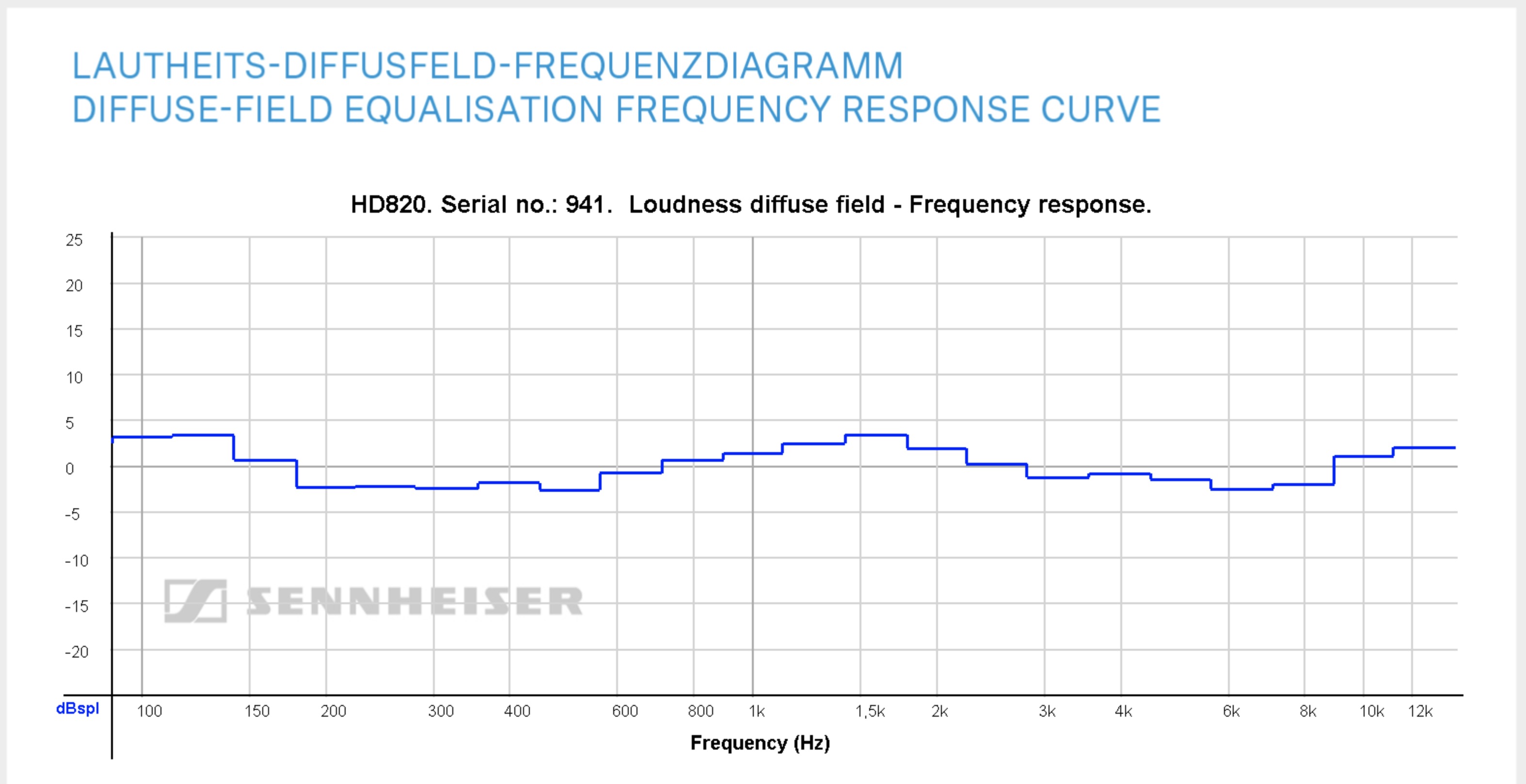
- USB flash drive (SD-U16L version) with instruction manual (as PDF file) and individually diffuse field frequency response curve.
The cables are OFC, 3 meters long and have gold plated plugs. Sennheiser have improved the cables in their box, since the original days of the HD800. Those cables were immediately replaced by Cardas by me – and they transformed the HD800 at the time. Snake Oil, my ass.
The cables with the HD800s and HD820 are very good. Not to say they can't be improved by a maker such as Cardas, but out of the box, you will get a good experience. Thanks for listening Sennheiser!
As discussed earlier in the review, the Sennheiser HD820 are a closed back design, with dynamic transducers. They are full, over ear designs with an impedance of 300 ohms.
Frequency response is rated 12hz – 43.8kHz (-3 dB); 6hz – 48kHz (-10dB). SPL 103dB @ 1kHz, 1V.
Even with a high sensitive rating, an impedance of 300 ohms will mean they will be relatively tricky for a standard MP3 player, or smartphone to drive correctly.
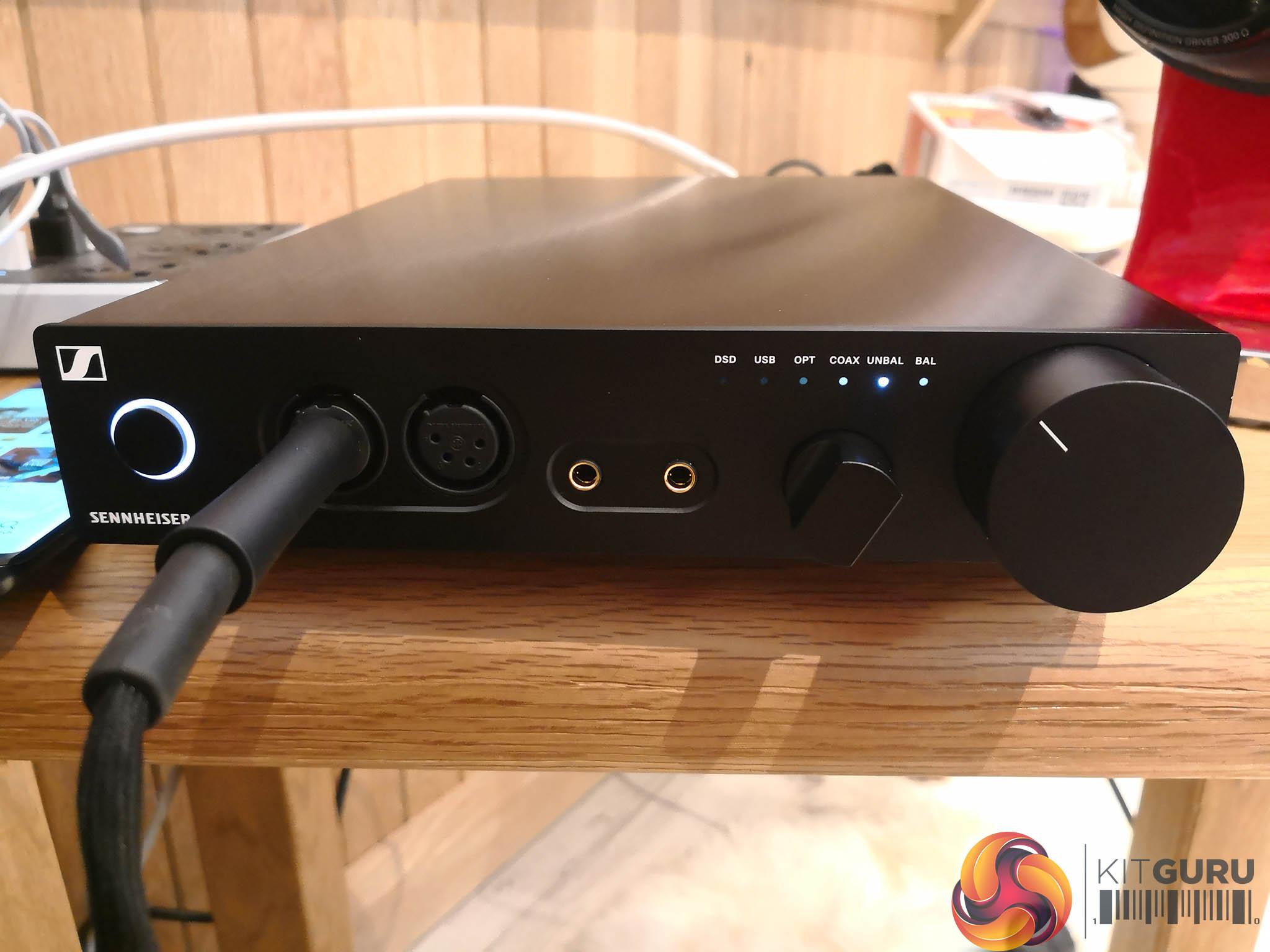
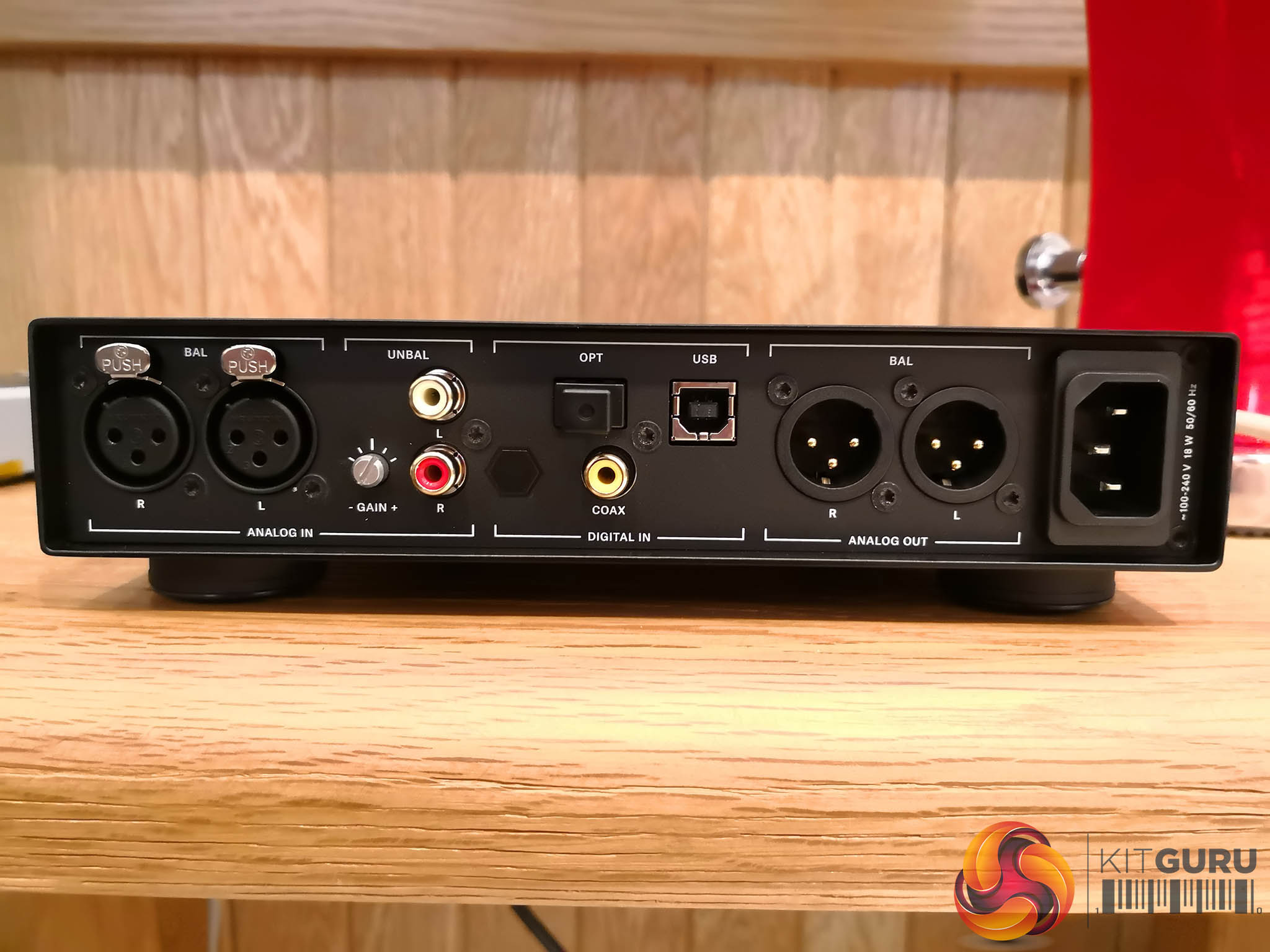
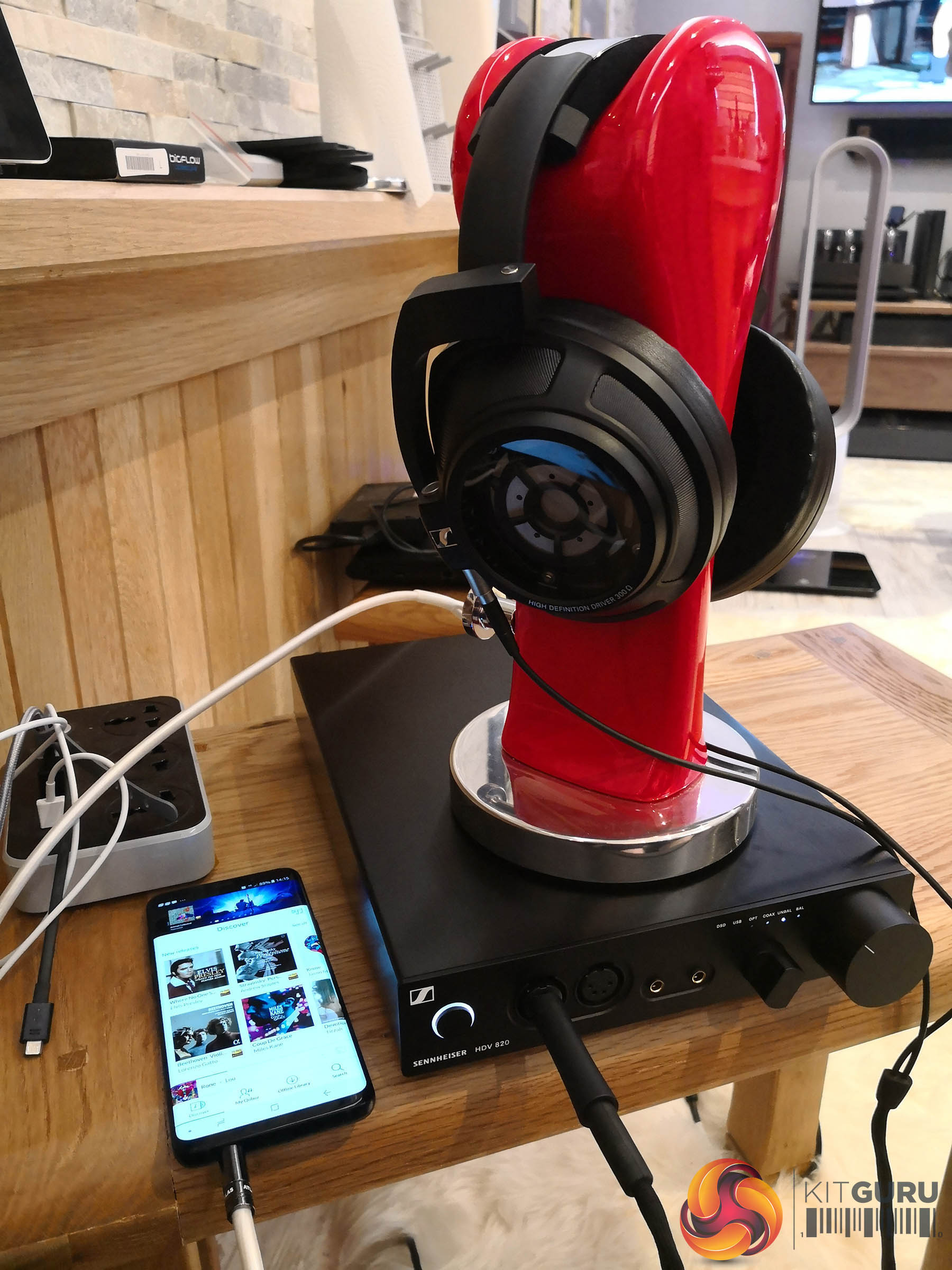
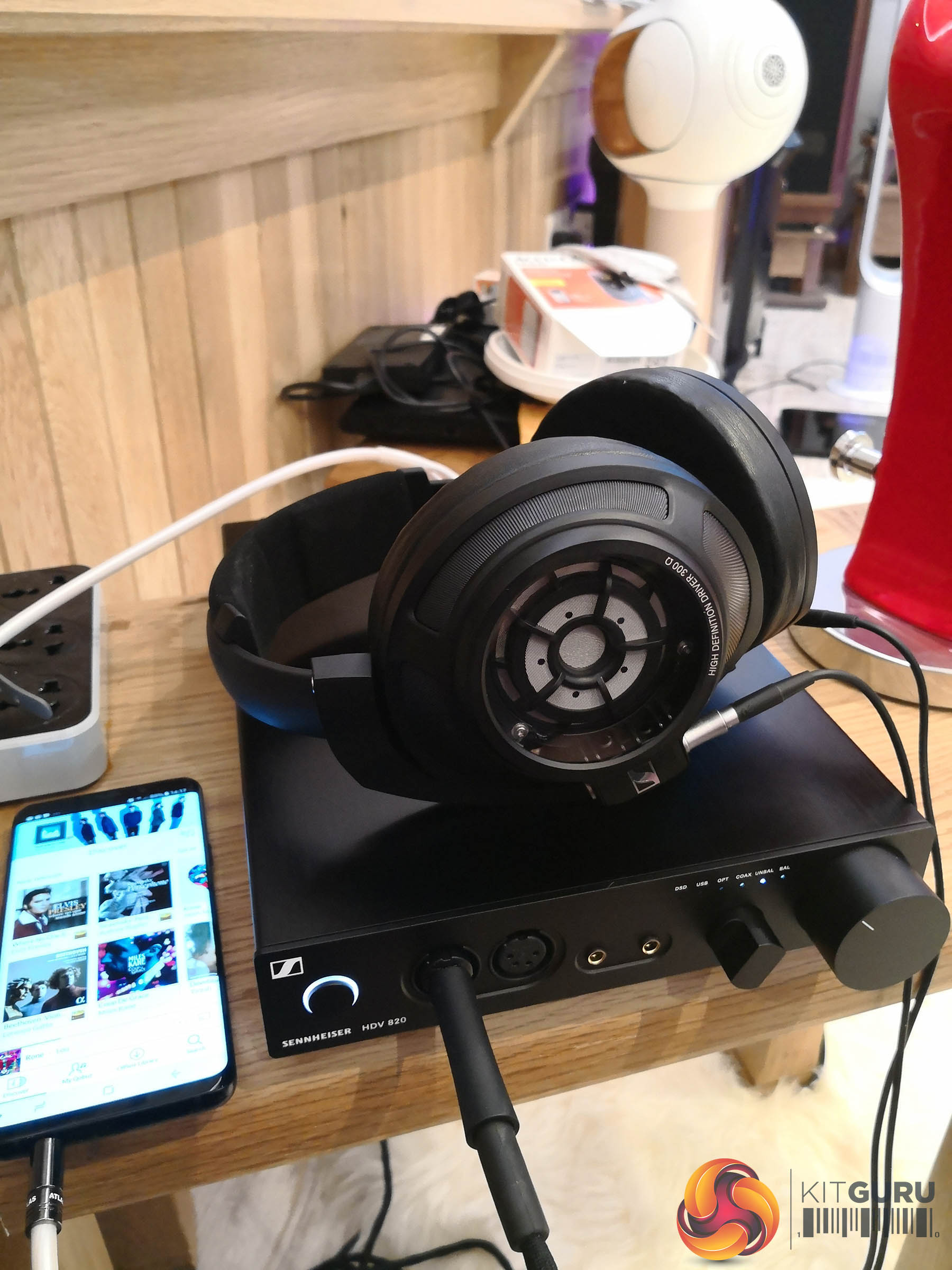
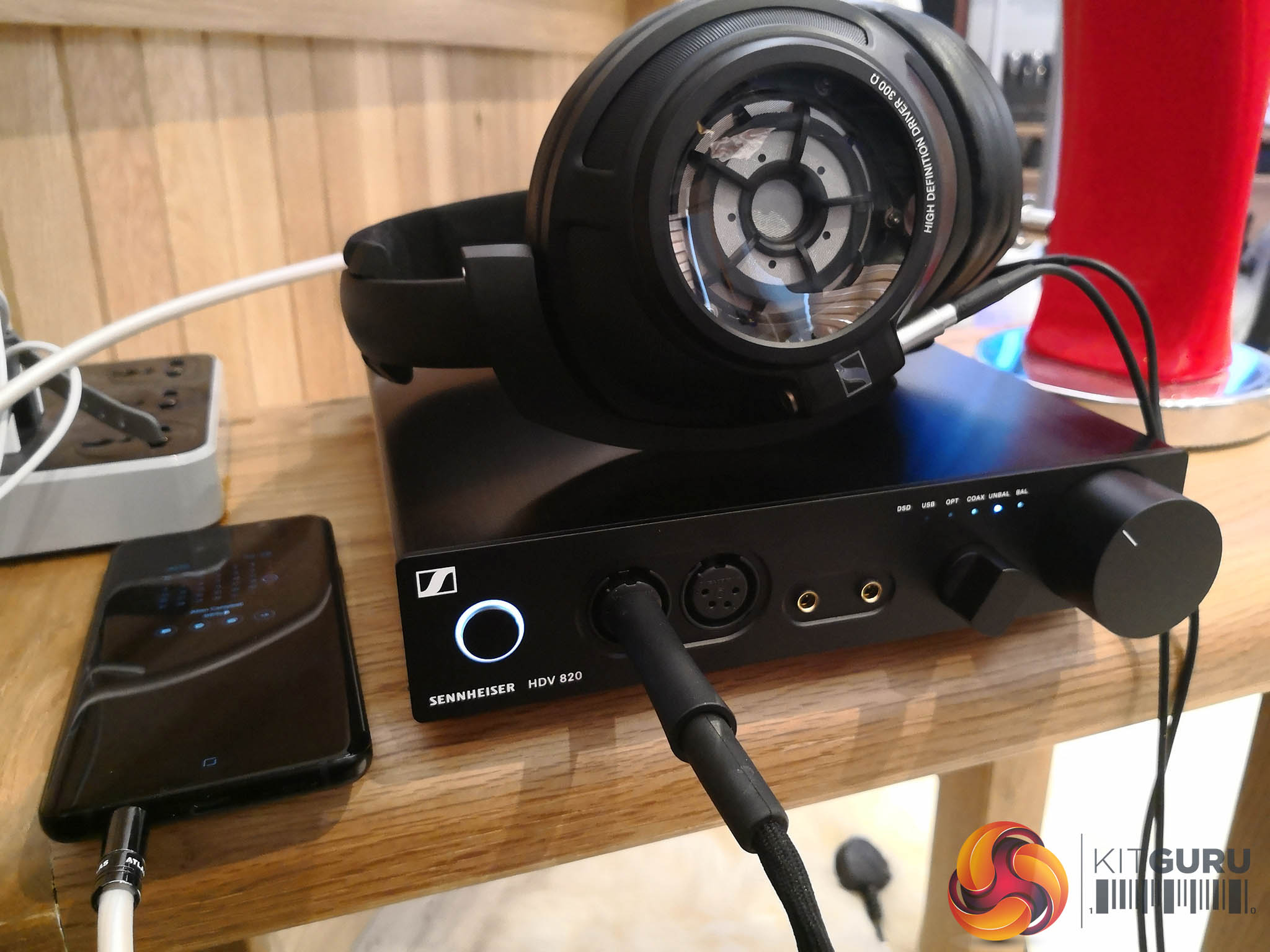
An ideal partner for these headphones would be Sennheisers own HDV820 amplifier, shown above. We already looked at this amplifier in depth before – and you can read this review over here.
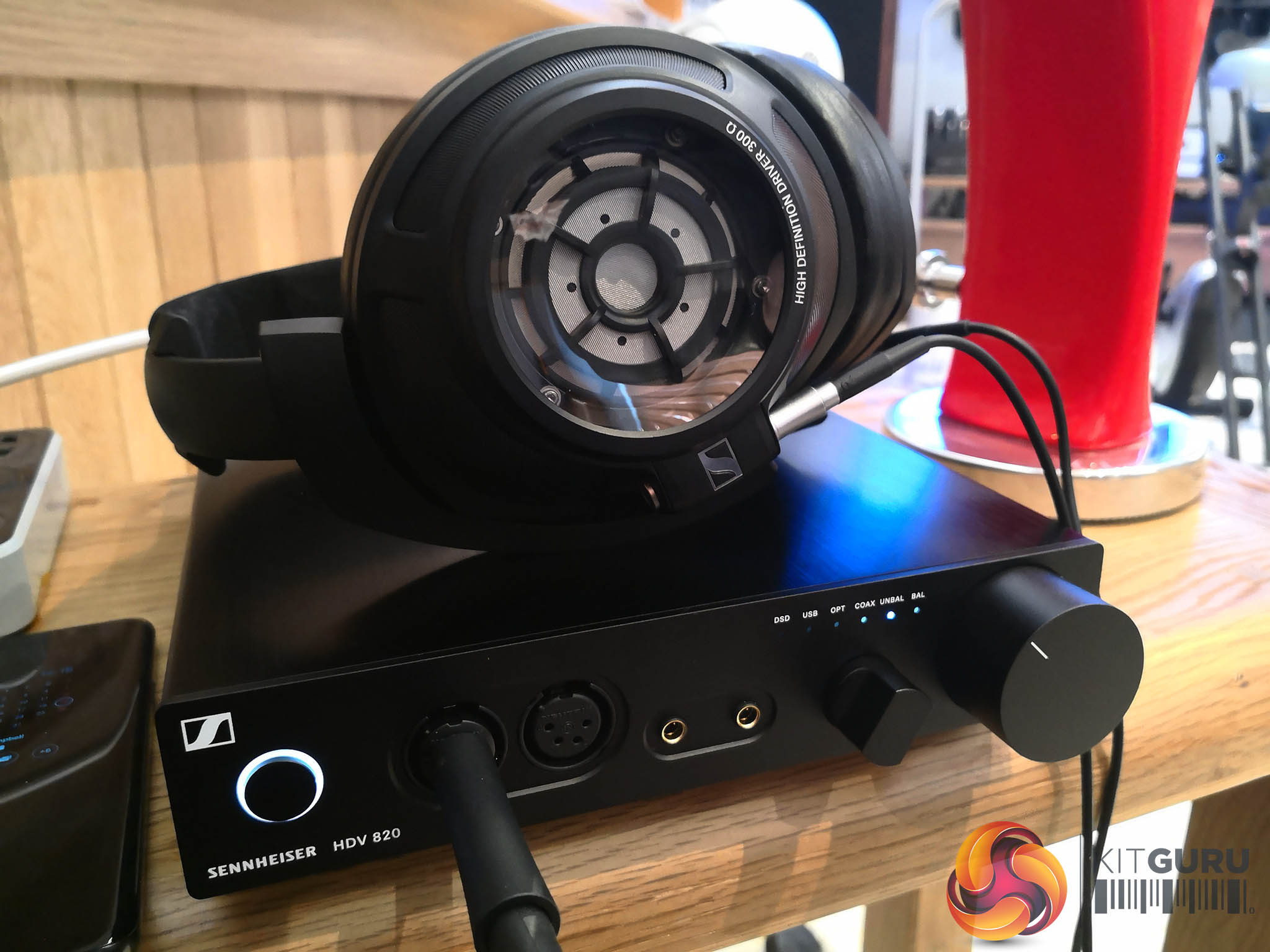
This is a high grade, exceptionally well built amplifier, which delivers sublime detail and transparency. The adjustable gain switch on the back of the amplifier means you can fine tune the volume output to suit the impedance and sensitivity of many headphones on the market today.
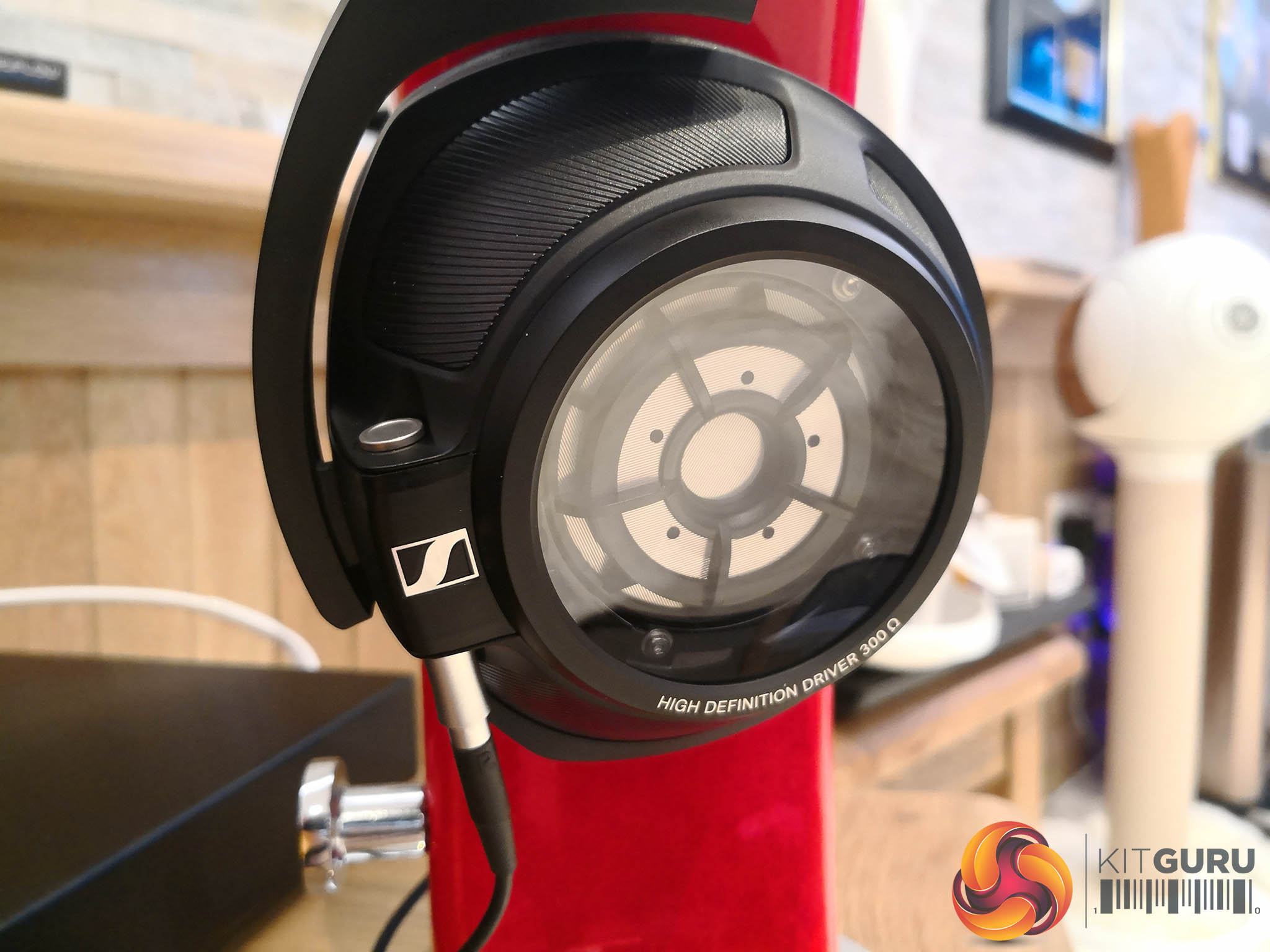
The Sennheiser HD820 are made in Germany and there is no doubt in my mind that build quality is top drawer. We all know how good German build quality is anyway, right?
They are quite lightweight in the hand yet they feel very sturdy and able to withstand a lot of abuse over many years. As you would expect at £2,000!
I wouldn't want to drop them from shoulder height directly onto concrete, but you could argue that point while carrying any super expensive pair of headphones. Travelling with these headphones is certainly possible, all you would need would be a modest £25 investment in a protective case – such as this one (HERE), currently available on Amazon.
You may have already noticed, that each earcup has a layer of glass (It is actually super tough Gorilla glass) over the driver – exposing it beautifully to the eye. This layer of concave glass reflects the sound waves from the rear of the transducer to an absorber, which drops resonance to ‘minimal' levels. Sennheiser claim that sound waves are negated – just like an open back headphone. It quite a remarkable claim to make, but testing is surely in the listening.
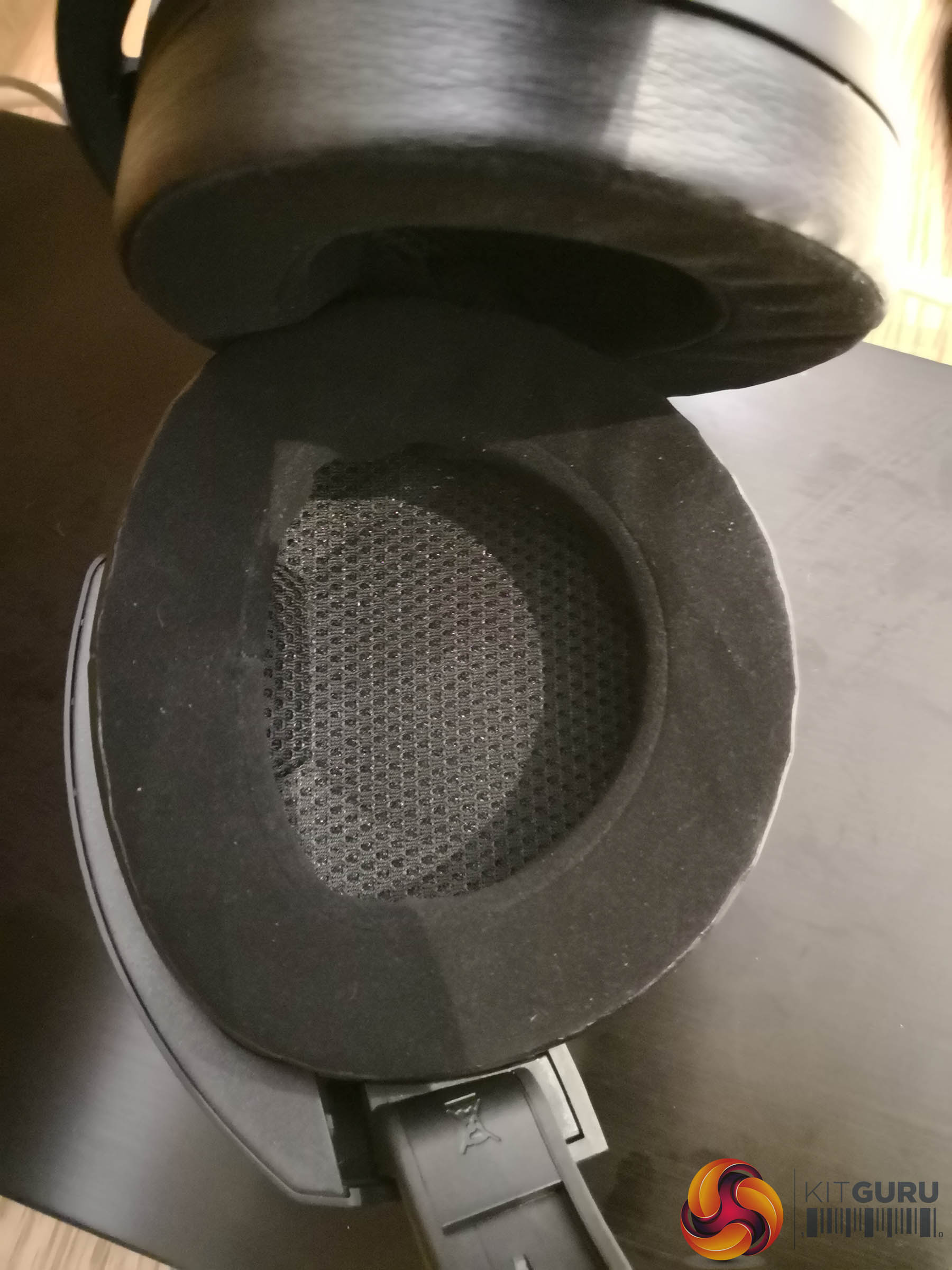
The ear pads are also handcrafted in Germany and are extremely comfortable to wear on the side of the head. Clamping pressure isn't very tight (but not loose either), so these, like the HD800 and HD800s before – let you enjoy the music rather than focus on some irritant over long periods of time.
They weigh 360g, so not particularly heavy. It is worth pointing out that the pads on the HD820 feel thicker than the pads on the HD800 models. This is likely to help create a better seal.
If, like me, you wear glasses, then you will be pleased to hear that I ran into very few issues wearing my glasses and the HD820's at the same time. Noise isolation isn't great to be honest, but they are slightly less noisy for people in the vicinity than either the HD800 or HD800S. I heard a lot less external noise when wearing the HD820, than the HD800/S.
Are they a little overkill for the daily train commute? I would wear them myself, but I can understand people would be wary about having £2,000 dangling around their neck while walking around in a city.
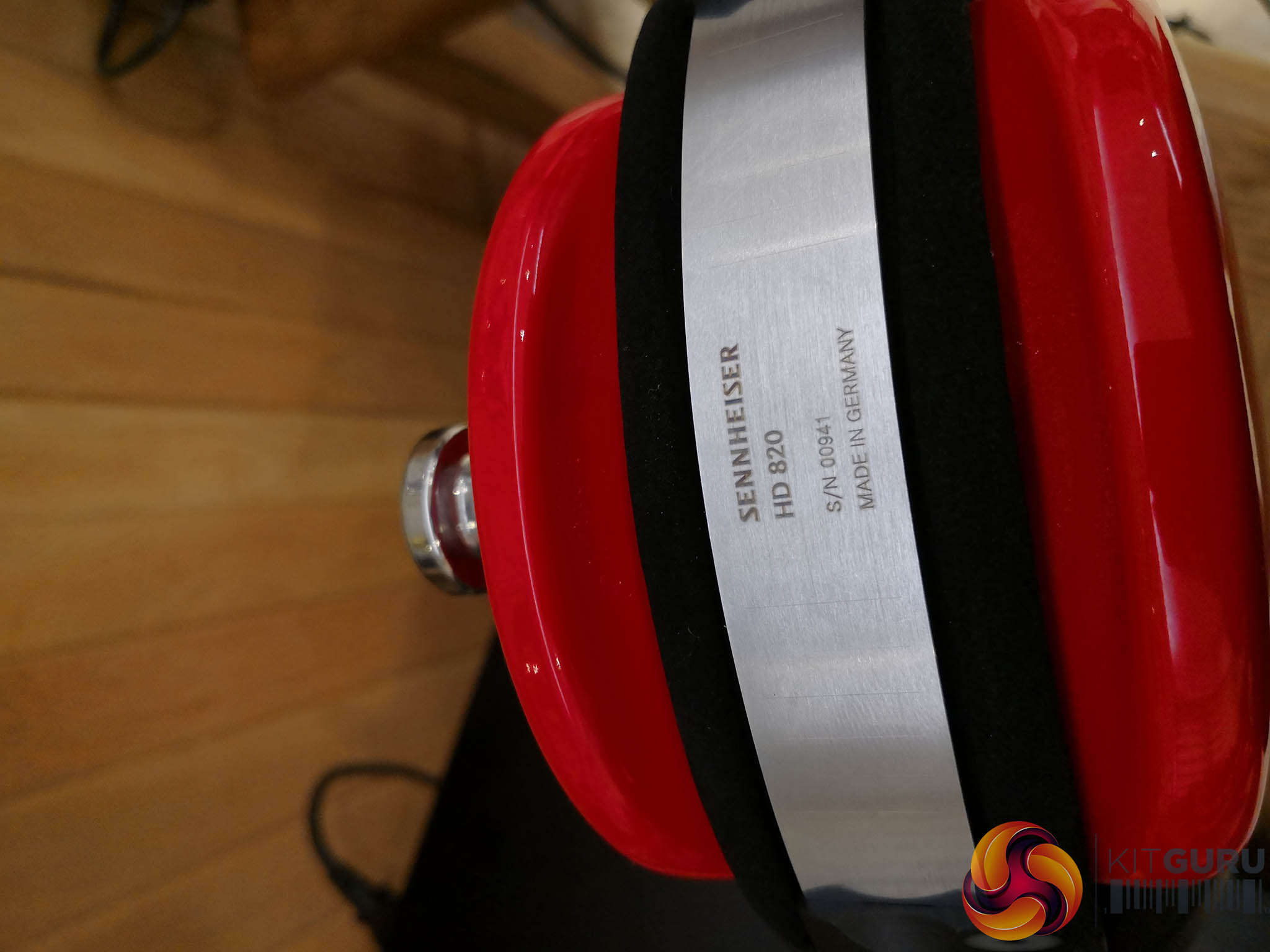
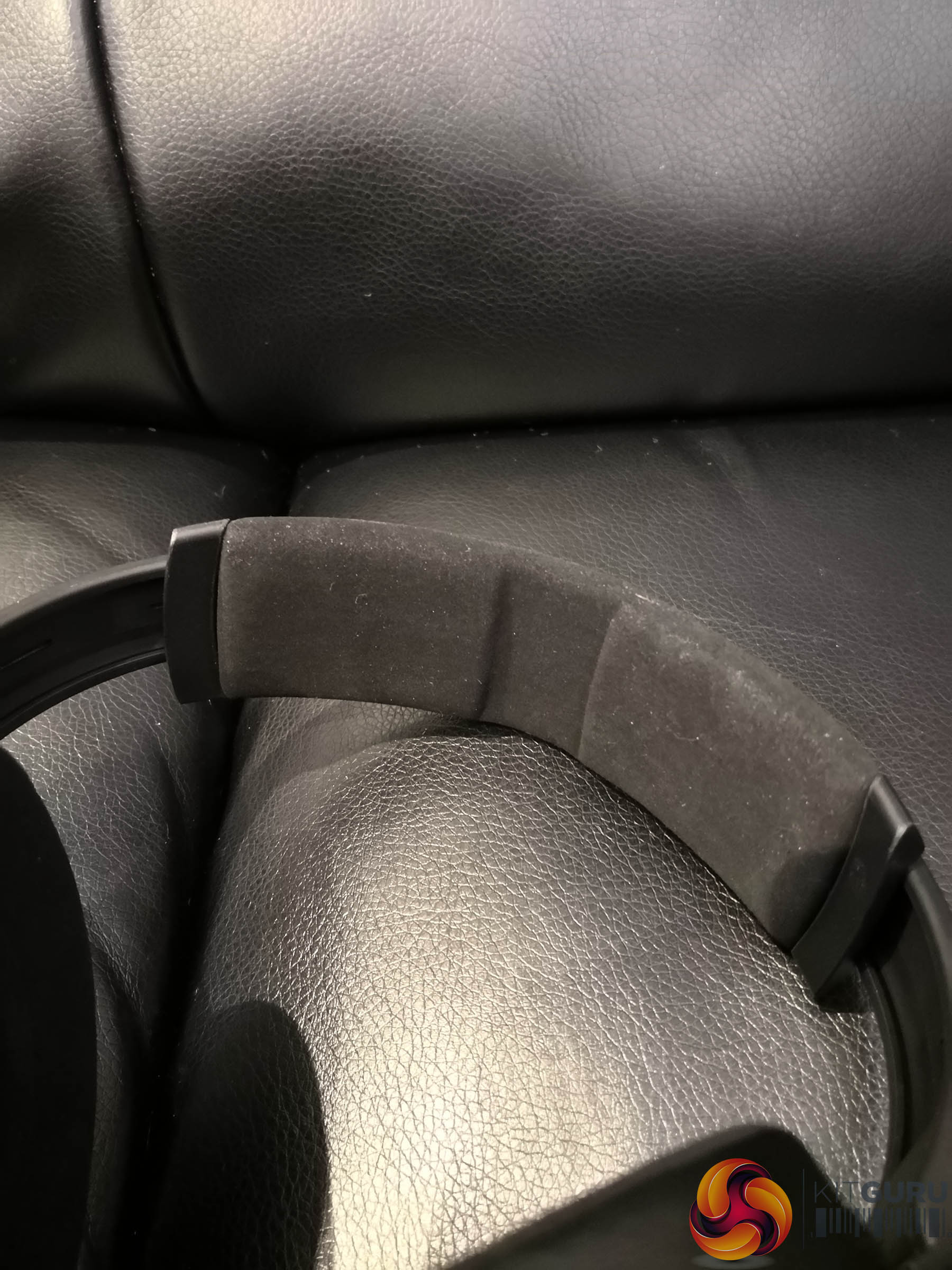
The headband feels like flexible plastic, but its actually metal and the design incorporates an inner damping element. Its so light on the head you wouldn't even feel you were wearing them. Some of the headphones I own, like the Abyss 1266 for instance can weigh heavy on the top of the head, placing unwanted pressure onto the skull.
I do feel Sennheiser put a lot of effort into the comfort level of their headphones, and while often not the topic of much conversation, it is something I feel many manufacturers can overlook.
To properly test these kind of headphones you need to ensure that you are using capable equipment. Of course not every headphone will create perfect synergy with every amplifier as i have explained in one of my previous articles over HERE. To try and negate this as much as possible I have built a universal high end setup which I feel works very well with every headphone I have tested (Electrostatics are not included obviously).
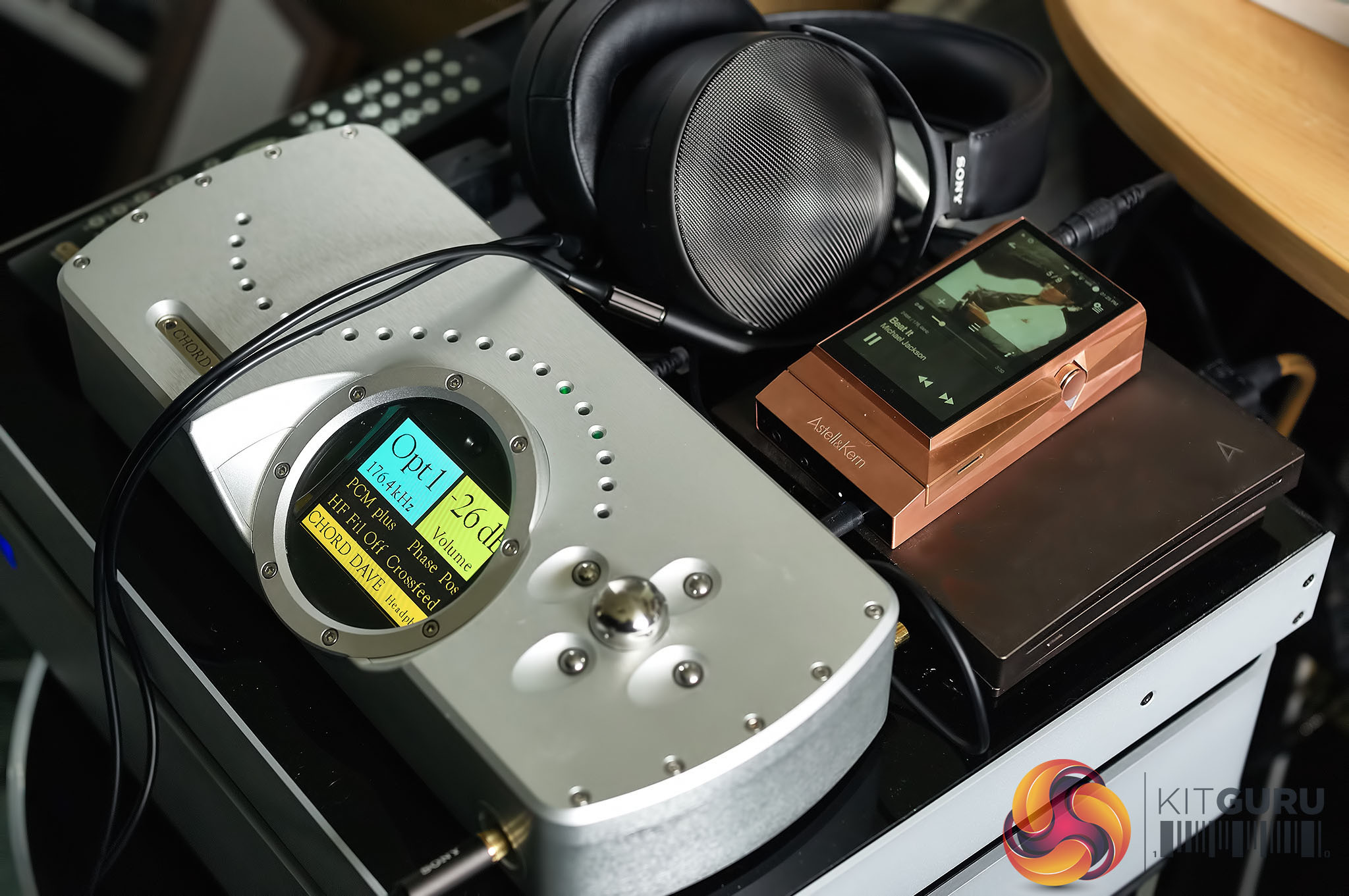
- Chord Dave DAC £8,500 inc VAT – available HERE.
- Astell and Kern AK380 (Limited Edition Copper Version) – £3,199 inc VAT – available HERE.
- Astell and Kern CD ripper £400 inc VAT.
- PS Audio DecTet Power Centre – £450 inc VAT – available HERE.
- PS Audio PerfectWave PowerBase – £999 inc VAT – available HERE.
- PS Audio P3 Power Plant Mains Regeneration – £2,300 inc VAT – available HERE.
- PS Audio Perfect Wave AC 10 power cables x 3 £499 inc VAT per cable – available HERE.
Total cost of KitGuru headphone test bed – £17,350.
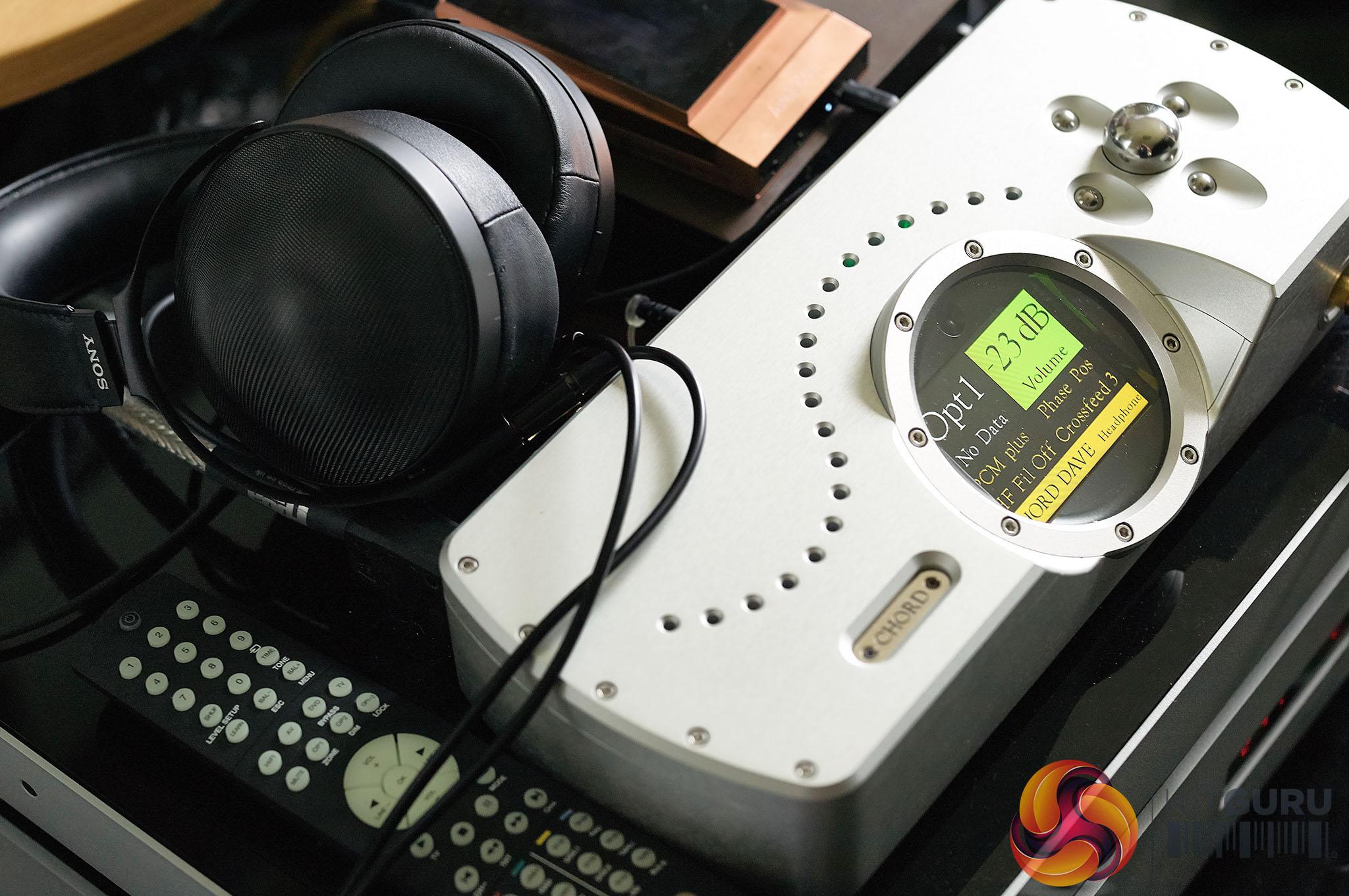
The Chord DAVE DAC is without question one of the most incredible pieces of audio equipment you can buy. It is the high end DAC in their current line up, created by audio genius Rob Watts.
Many of Chords competitors buy in DAC chips from the likes of Burr Brown or Wolfson and then they would create their digital to analogue sections around these. Chord have rewritten the rule book by creating a FPGA (Field Programmable Gate Array) with proprietary software. No other manufacturer will sound like Chord as they aren’t using an ‘off the shelf DAC’.
The DAVE is based on the Spartan 6 field programmable gate array which has been utilised in other products by Chord. The new design however incorporates a massive version of the Spartan 6. This high end FPGA is the LX 75 version of Xilinx’s Spartan 6 – a new chip with 10 times the power of the previous flagship model, which is called the QBD76.
Rob Watts has also developed a WTA interpolation filter which utilises 166 separate DSP cores with an incredible 164,000 taps.
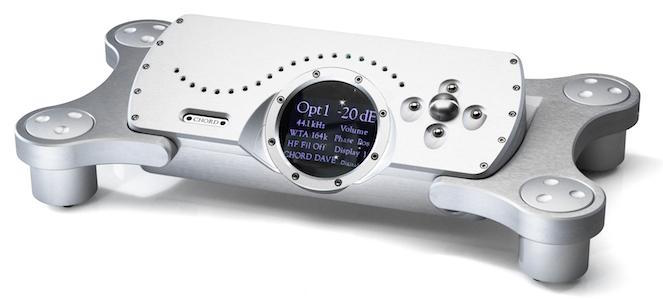
The build quality of the Chord DAVE is unmatched in my opinion. It is built like a proverbial tank and is available in silver or black. All of the controls feel as if they would last for decades, even if they aren’t labelled! It has a quarter inch headphone socket with built in headphone amplifier, four BNC based coaxial digital inputs, USB, two toslink connectors and a AES/EBU balanced input as well. There are also four more DX digital connectors using BNC ports which will cater for upcoming products from Chord.
The Chord DAC literally transforms any setup I have at home, adding another layer of detail, transparency, dynamics – with huge depth of field acoustics. When a headphone is plugged into the front port, you also get three options for crossfeed which works remarkably well. So much so, that I tend to use many of my headphones at the maximum ‘3’ setting.
I don’t often buy into these ‘gimmicky’ options that many manufacturers use to generate sales, but The DAVE implementation for Crossfeed is truly remarkable. I had a quick chat with Rob Watts and he said when he uses headphones via the DAVE he has it set to ‘3’ and I would tend to agree. The higher setting adds a lot to the overall presentation – as it attempts to recreate the acoustic overlap you would get from listening to floor standing speakers. With it off, you can immediately notice how incredibly flat the side ways projection can be between your ears.
The headphone amplifier in the Chord Dave is very powerful. It manages to handle the tricky Abyss 1266 without any problems, reaching the same levels as I get with the Cavalli Liquid Gold. So much so, I no longer even have the Cavalli amplifier in the mix. The biggest upgrade with the Abyss 1266 is investing some money into a set of third party cables to quell the rough edges around 1kHz-2kHz.
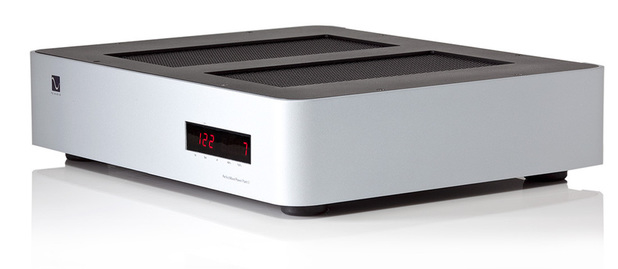
Investing in a PS Audio P3 Power Plant Mains Regenerator was one of the greatest moves I ever made. I wouldn’t say my mains at home was particularly dirty, but like many people in the UK my feed would often move between 241v and 230v – getting worse in the evening. Adding the PS Audio P3 noticeably enhanced the black space on tracks. It also improved dynamics and ‘openness’ and just to prove a friend wrong, I did a blind test one evening and noticed every time it was disabled. I always find it removes a fine layer of ‘haze’ when listening to some of my favourite tracks.
Basically it takes the AC power, rebuilds it from scratch, feeds it into 3 separate regenerated zones with a 4th high current unfiltered zone. In real world terms this removes any kind of noise and mains fluctuation before it reaches the audio equipment – to give you pure, smooth power. It really is not a gimmick, I can hear it with my own ears. You can even adjust the output voltage if you wish.
PS Audio do more expensive models all the way up to £5,000 (for the P10 flagship), but I find their P3 £2,000 model (recently increased to £2,300 due to Brexit) is more than up to the task of powering a wide cross section of amplifier (with a 750 VA output capacity). I won’t bore you with how it works, but if you are interested, check out the information HERE – and you can buy a UK version directly from Gary Penska at Analogue Seduction in the UK HERE.
I also use a PS Audio PerfectWave PowerBase in this setup as it combines an isolation base with a power condition. When paired up with the Mains Regeneration unit, it is a powerful combination. You can buy this from Analogue Seduction for £999.00 HERE.
I still buy CD’s so the Astell and Kern CD ripper is a very useful device – you get a perfect WAV copy of the album straight to the internal storage on the AK380 device – and if you are connected to the internet via WI-FI it also snags the artwork and track names without any intervention.
I tested the Sony MDR Z1R today with a variety of FLAC and WAV files either in 16 bit or 24 bit format, via the Astell and Kern AK380 over optical to the Chord DAVE. I also tested with a Samsung S9 Plus using QOBOZ with a mixture of 24 bit and 16 bit audio files.
I also hooked in a Mac Pro desktop system over USB into the Chord DAVE and it worked flawlessly.

Daft Punk – Random Access Memories – 24 bit 88.2kHz.
I had planned to enjoy a few key tracks from this brilliant album, but ended up playing it all the way through. Having listened to this album hundreds of times before with many headphones, I wasn't sure quite what to expect from the Sennheiser HD820's.
The HD820's maintain the high level of detail we would expect from the HD800's but deliver a little greater low end slam. They are punchy headphones and did not produce any hint of sibilance or higher register grain when paired up with this well recorded album. The soundstage is definitely not quite as large as the HD800/S, but the slightly more intimate scale works better for some tracks in my opinion.
I A/B'd these headphones directly against the HD800s and to my ears, the subbass is slightly more pronounced on the HD820, but with a slightly longer decay. What is remarkable is that the HD820 didn't suffer from any bloom in the lower frequencies, even when pushed to very high levels indeed. Many closed headphones I have tested in the past do suffer from this bass ‘bloom' – meaning there are much slower transients, and a slightly cloudy overall experience when listening to bass notes.
In the mid range, voices are presented slightly more intimately than the HD800/s and definitely exhibit a little more warmth. The HD800S is a very neutral headphone making it a fantastic partner for a recording studio setup, the HD820 are slightly more coloured. Overall, I actually enjoyed this album more with the HD820, but it all depends if you value a very neutral response, or one that is slightly warmer.

Nicki Minaj – Queen – 24 bit 48kHz.
Not a very family friendly album, as indicated by the cover, but this is very well recorded and is a good test of any headphone. Ganja Burns is a great track with atmospheric guitar aplenty, alongside a very addictive, punchy drum and bass line.
The Sennheiser HD820 headphones are able to create a wonderful sonic atmosphere on tracks such LLC, Come See About Me and Chun Li. The HD800's I have owned for some time now expand on the soundstage, but at the same time, they lose a little of the intimacy and some of the sub bass in the very low frequencies. It is not very noticeable as both headphones share very similar sound characteristics but the HD820 is definitely by design going to drive a little more bass anyway.
Nicki's vocals sound very heartfelt, self assured and close to the listener via the HD820, and I was thoroughly enjoying the experience … actually forgetting to analyse the sound from time to time! Thats a good sign, because often I am focusing on some annoying micro detail, or a problem exhibiting itself along the frequency curve.

U2 – Songs Of Experience (Deluxe Edition) – 24 bit 96kHz.
People seem to always assume that because I was born and live in Ireland that I will automatically be a U2 fan, but throughout my life, they have never been a key band I have followed. To be fair, I do admire their longevity and songwriting ability. Some of their tracks are iconic and insanely catchy.
Songs Of Experience seems to have met with a mixed reception, but I do love some of the tracks on this album, mainly for their high levels of production and sublime mixing. ‘Love Is All We Have left' is a gorgeous little melody and immensely well produced.
Listening to this track (and several others on the album), showcases the HD800/s soundstage. Its an epic, widely projected soundstage that adds a high level of atmosphere to the tracks, almost as if you were right up in the clouds with the music traveling to your ears from a full 360 degrees.
The HD820 presentation is a little less ‘epic' yet swaps the wider soundstage for a tighter, more intimate projection. Almost as if Bono was standing a few feet from either ear. I found a lot to like listening to this album with either headphone, and the two different, yet equally enthralling presentations will likely appeal to people who enjoy extracting a lot of detail from their music – in slightly different ways.

Beth Hart – Fire On The Floor – 24 bit 44.1kHz.
You either love or hate Beth Hart's voice. Her vocals are powerful, passionate and straight from the heart. The track ‘Woman You've been Dreaming of' is stunning in its angst filled honesty with Beth's soaring, emotional vocal touching at the heart strings.
As I said before, Beths ability to have her voice break just at the right time is remarkable, its a technique she has truly mastered. I love the imperfections in her voice and the fact that the production team leave them in. With the right headphone listening to some of her music can bring a tear to the eye. Of course, being a man, I should not admit that right? but deep down I am a big softie.
The HD800s headphone sounds wonderful with all the tracks on this album, and the HD820 delivers a similar listening experience to other albums on this page. You get a reduced soundstage, bringing the listener closer to Beth, with a beautiful sounding midrange exposing all her vulnerability, and power, in equal measure.
Again, I do find myself swinging a little towards to the sound presentation of the HD820, as it is both slightly more intimate and warm than the HD800/s.
I listened to a variety of other tracks – ranging from orchestral, to heavy metal, folk, and even some bluegrass. My impressions were always very similar. The HD820 has got the heart of the HD800 inside it – but is ‘tuned' a little differently to project a warmer, more intimate reproduction of the original recording. The HD800/S would be my first choice for classical music, and complex orchestral pieces primarily as the soundstage naturally lends itself towards excellent recordings with hundreds of instruments fighting for headspace. The HD820 is a great headphone which is slightly warmer and brings everything a little closer towards the ears.
The Sennheiser HD820 is yet another remarkable headphone to come from the German headphone giant. I bought the HD800 when it was released and while I had some personal issues with a little bit of high frequency ‘grain' at the time, they rectified my concerns with the subsequent release of the subtlety tuned HD800s.
The HD820 is remarkable for a few reasons. Firstly, Sennheiser have been able to deliver a closed back headphone that sounds more like an open backed headphone. I spent days listening closely to a wide variety of tracks and I noticed none of the usual ‘bloom' that is often associated with a closed headphone. The HD820 are a delightful sounding headphone that project great intimacy and warmth with an inherent ability to get the toes tapping to well recorded rock and pop music.
Compared to the HD800/S the soundstaging is on a slightly smaller scale, and the natural neutral delivery of the HD800 driver becomes a little ‘coloured', but for those people who feel the HD800/S is a little clinical then this characteristic will genuinely appeal.
The Sony MDR-Z1R has been my favourite closed headphone in the last 5 years, but when I listen to them side by side against the Sennheiser HD820 I can hear a little over exaggeration of some macro detail in the high frequencies. I still love the Sony headphones, but the HD820 in my humble opinion can claim ‘best closed back headphone' in 2018. I don't feel anything can beat them right now, even my long term, well worn in Fostex TH900 MK II.
The Sennheiser HD820 cannot be driven to their highest level with a smartphone or portable MP3 player. My Samsung S9 Plus and Note 9 needed to be close to the limit to get decent volume levels, but the bass response was only 70% of what you can achieve with a good amplifier.
Ideally that tricky 300 ohm impedance means you will really need to invest in a decent amplifier, even a portable device such as the Chord Mojo would help with separation and ultimate power delivery, and would only add £400 to the price. If you are paying £2,000 for headphones after all, it doesn't seem to make much sense to skimp on proper amplification.
As always, we recommend buyers in the UK to head to Gary Penska and his educated, helpful staff over at Analogue Seduction. He has everything we use in this review for sale today. ~Be sure to check them out over HERE. Buy the Sennheiser HD820 direct from Analogue Seduction over HERE.
Pros:
- Built to the highest standards.
- Insanely comfortable.
- intimate and warm presentation – not clinical at all.
- very detailed.
- no hint of grain or sibilance.
- three quality cables included
- storage box is great.
- they offer greater noise isolation than the HD800/S.
- Two Year warranty.
Cons:
- Much more expensive than the HD800S (£600).
- HD800 purists may not like the reduced soundstage.
- will expose poor recordings for what they are.
- Need a decent amplifier for the best performance.
KitGuru says: The Sennheiser HD820 headphones are one of the most capable headphones on the market. Don't worry about a closed back design – they deliver a very similar sound characteristics to the HD800S – just with a little smaller soundstage, enhanced bass response and a more intimate presentation. They are now one of my primary ‘go to' headphones, alongside the iconic Sony R10.