KitGuru KitGuru.net – Tech News | Hardware News | Hardware Reviews | IOS | Mobile | Gaming | Graphics Cards


After covering three of the latest Vodafone smartphones, our attention now turns to their latest tablet. The Tab prime 6 is a large and inexpensive device, but can it reach the same standard as set by the Smart ultra 6 smartphone? We will see.
Following the trend set by its 3 newest smartphones, Vodafone's Tab prime 6 is attractively priced at just £150. For this you get a large HD display and quad-core processor, so on paper the Tab prime 6 could be a winner.
Features:
- 9.6-inch HD display
- Quad-core Snapdragon 410 CPU, 1.2GHz
- 1GB RAM
- 8GB internal storage with microSD cards supported up to 32GB
- Android Lollipop 5.0
- 5MP primary camera, 2MP secondary camera
- 4600 mAh battery
- 4G ready
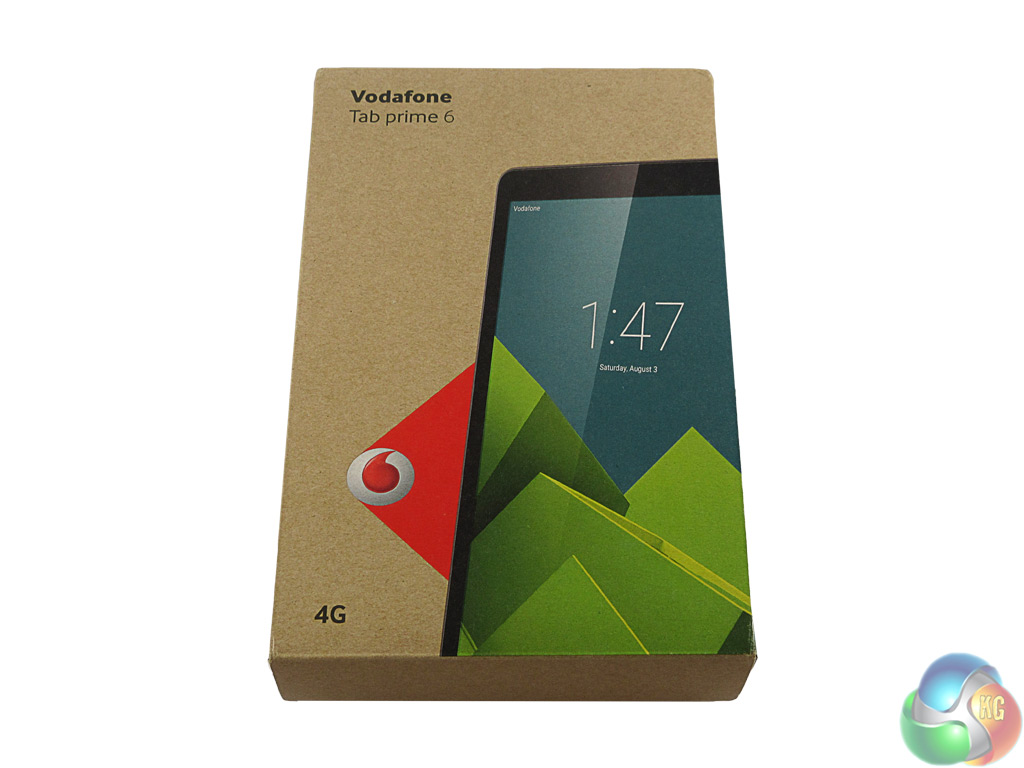
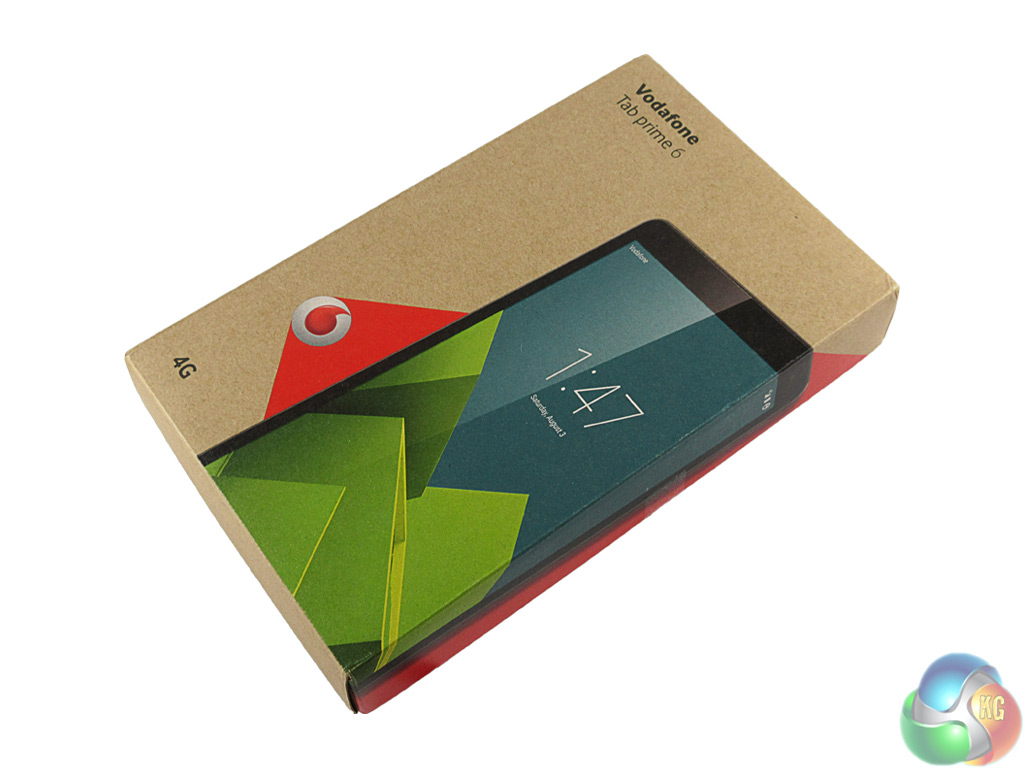
Just like the ‘Smart' devices from Vodafone, the Tab prime 6 ships in a recycled cardboard box. A photo of the tablet itself is on the top of the box and spreads across the right edge, too.
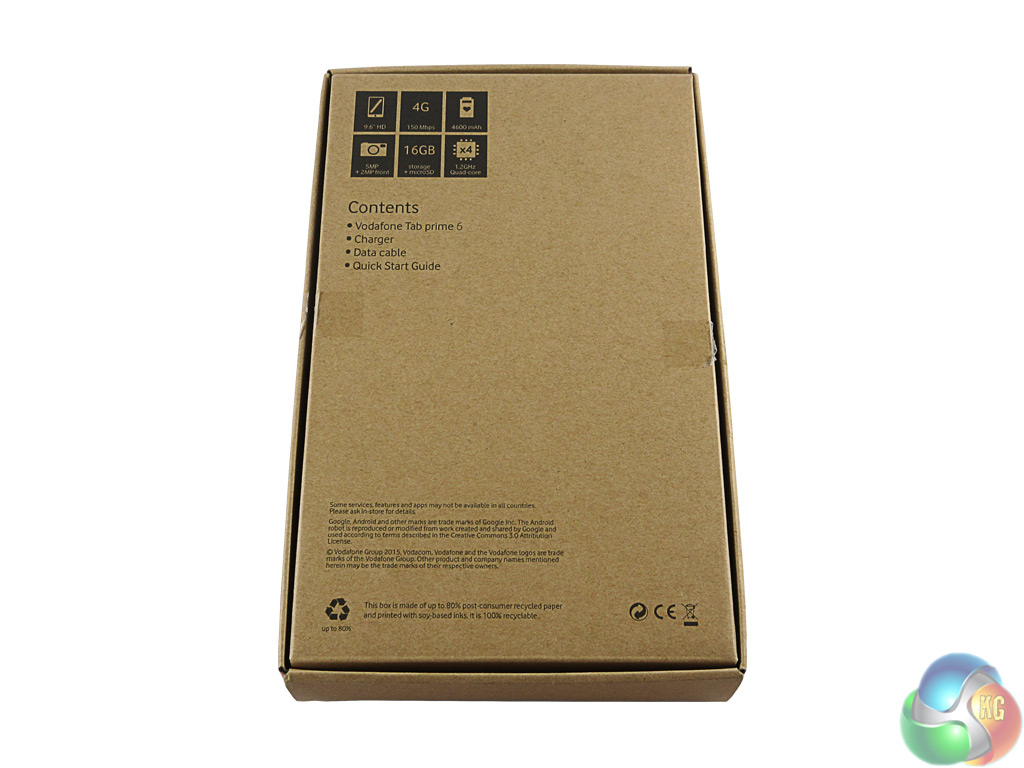
On the back are a few key specifications of the Tab prime 6, including internal storage space and processor speed.
Inside, we find the usual AC adapter, microUSB cable, and a quick-start guide.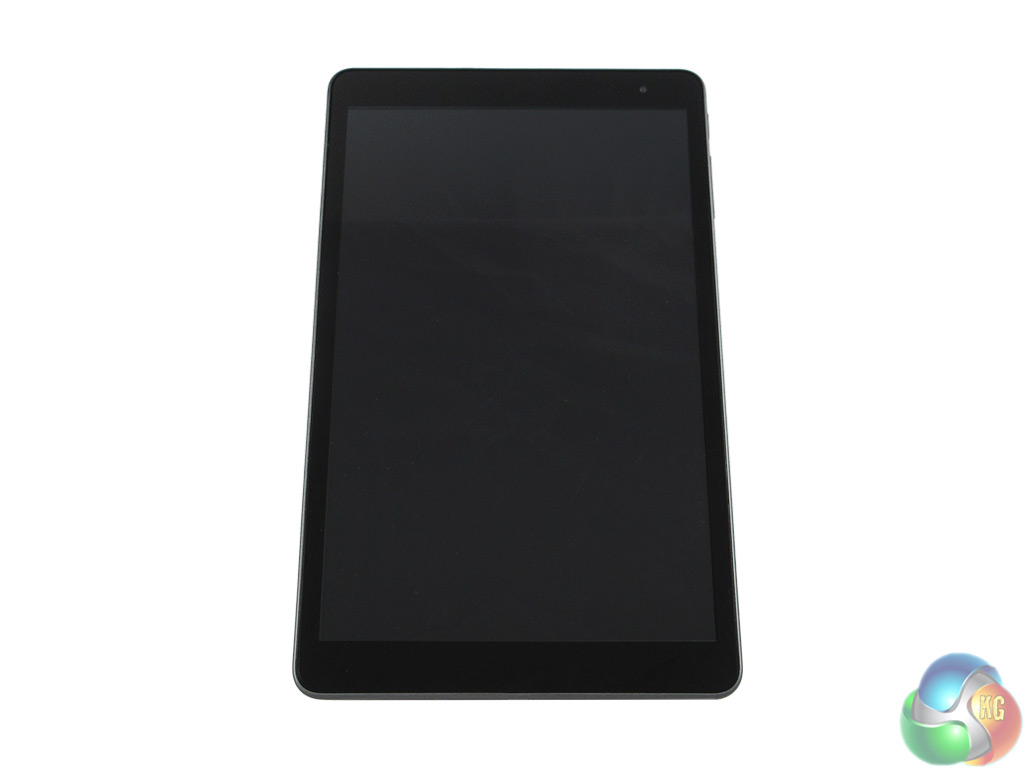
Perhaps the first thing to note in terms of the Tab prime 6's design is its size. It is a large tablet, with a 9.6-inch display rivaling the iPad for sheer size. Rather than a 4:3 aspect ratio, however, the Tab prime 6 uses a 16:10 aspect ratio – meaning it is taller than the iPad, and not so square. Still, it is nice to see a larger display on a budget tablet, when usually budget offerings are 7 or 8 inches.
As for its construction, the Tab prime 6 is of course made wholly from plastic. The front bezels are black, while the rear of the tablet is matte grey. While I prefer an aluminium chassis, this is obviously achievable at the price point. Furthermore, the rear casing of the Tab prime 6 has a satin-touch finish, meaning it is very smooth and comfortable in the hand.
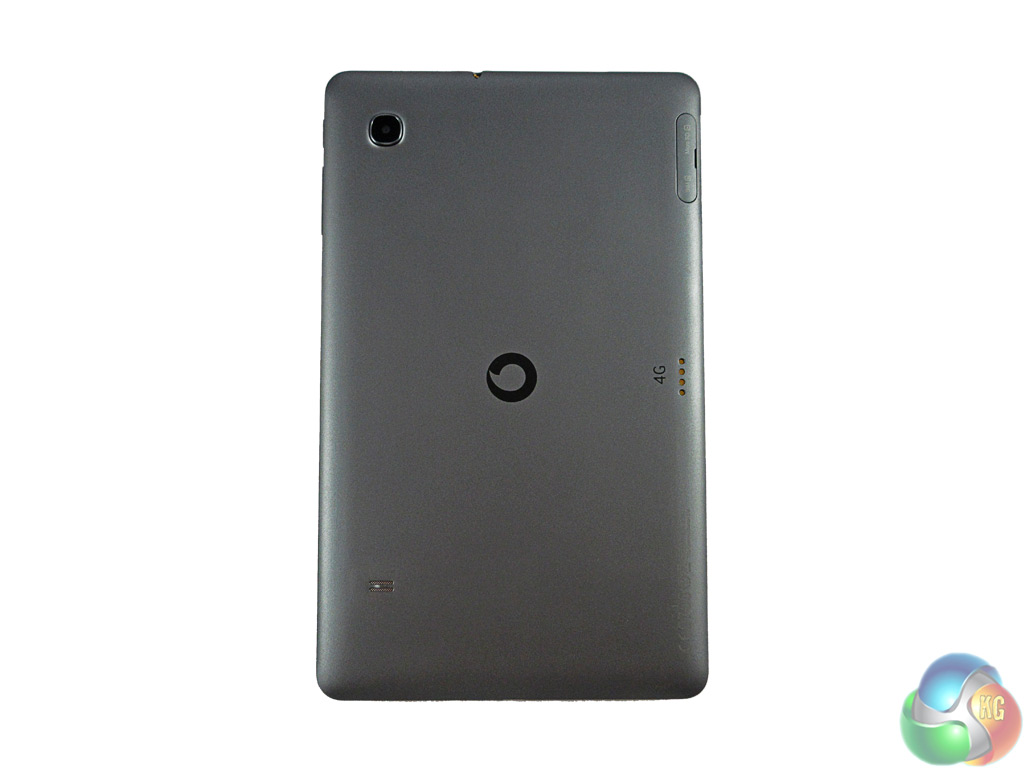
That satin-touch finish, combined with a relatively low weight of 406g, mean the Tab prime 6 is very comfortable to hold for sustained periods.
The Nexus 9, for instance, weighs 425g despite being a smaller device than the Tab prime 6. Full dimensions of the tablet are as follows: 244 x 146 x 7.99mm (LxWxD). The near-enough 8mm thickness is also impressive for a budget device.
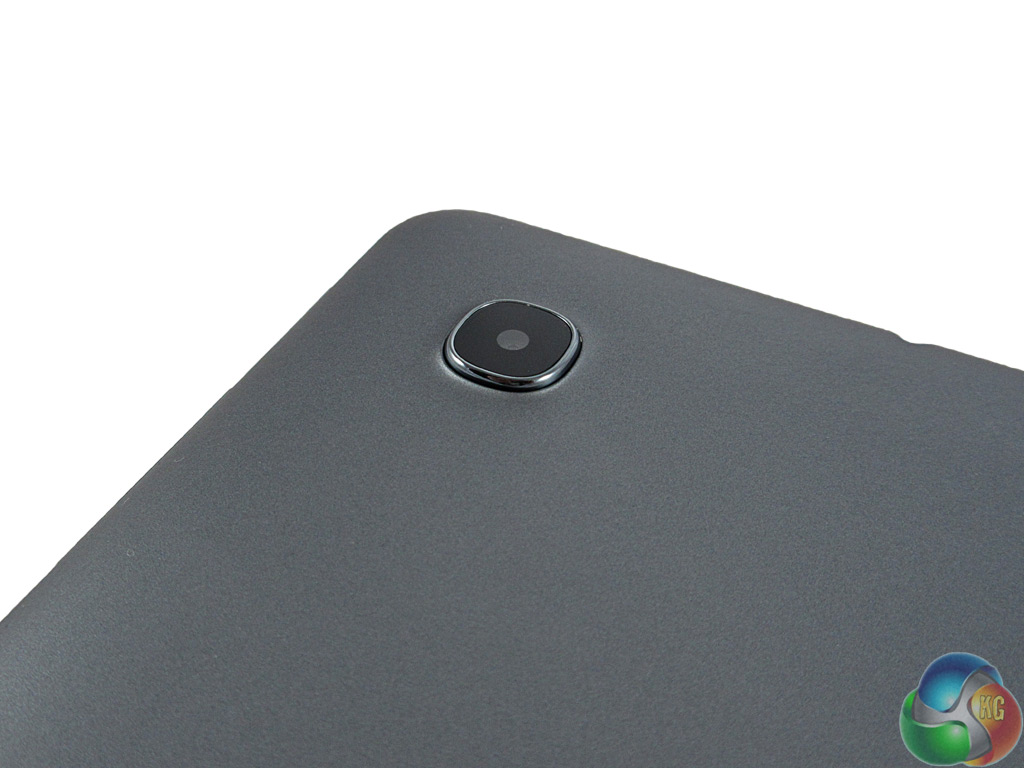
Still on the subject of the tablet's rear, the 5MP camera does protrude a little bit – a pet peeve of mine. It is only slight, but still enough to mean the Tab prime 6 won't lie flat on its back.
We can also find 4 metal contact points, which I believe are for attaching a keyboard to the tablet – a boon for productivity users. And in the top, right-hand corner there is a small tray which holds a microSD card and the SIM card.
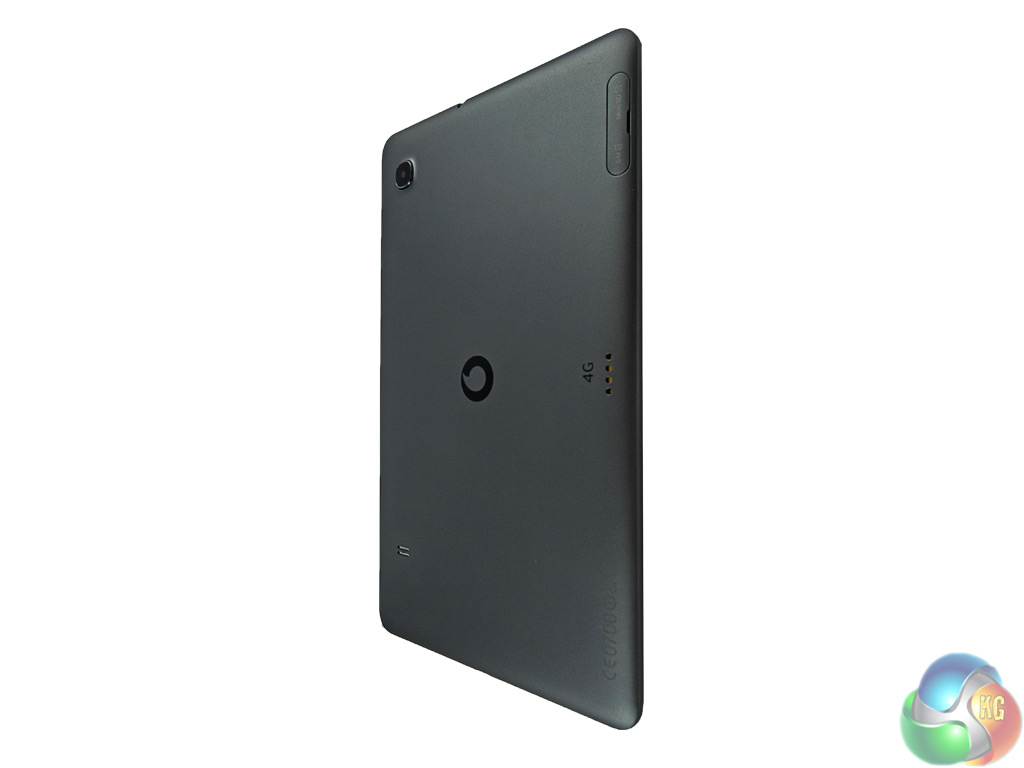
Both the volume rocker and power button are located on the top of the right hand edge of the Tab prime 6, while the microUSB port is located centrally on the bottom edge. A headphone jack is also centred on the top edge.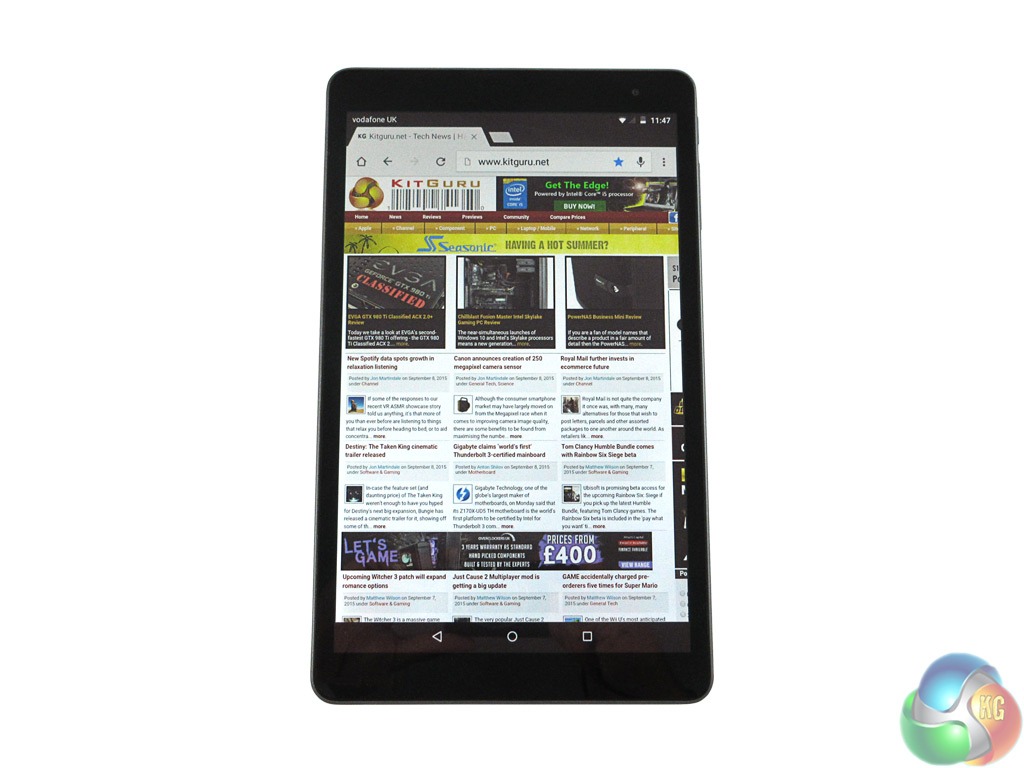
On to the display, then. We find a 9.6-inch display, fitted with a 1280 x 800 resolution. Across the 9.6-inches, this HD resolution works out at 157 PPI. For me this is a bit disappointing, as text is somewhat ‘fuzzy' and videos are not as sharp as I would like. When you consider Vodafone managed to fit a FHD IPS Quantum display on a 5.5-inch smartphone (the Smart ultra 6), I really would expect better on the Tab prime 6.
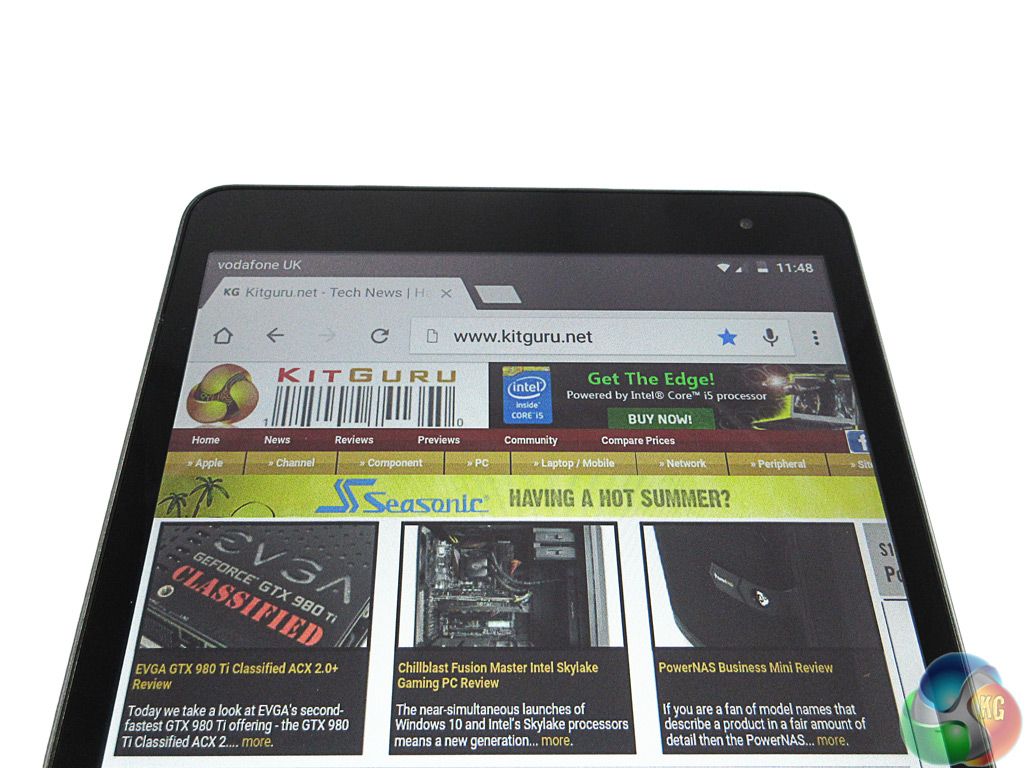
Still, it is still an IPS panel so viewing angles are good. I find this is especially important with tablets as often you might share the screen with a friend to play a game, for example. Good viewing angles make this possible.
Colour production is not so strong, though. The display looks slightly washed-out, and could do with a higher contrast ratio. It is not awful, but not what I have come to expect from Vodafone after the Smart ultra 6.
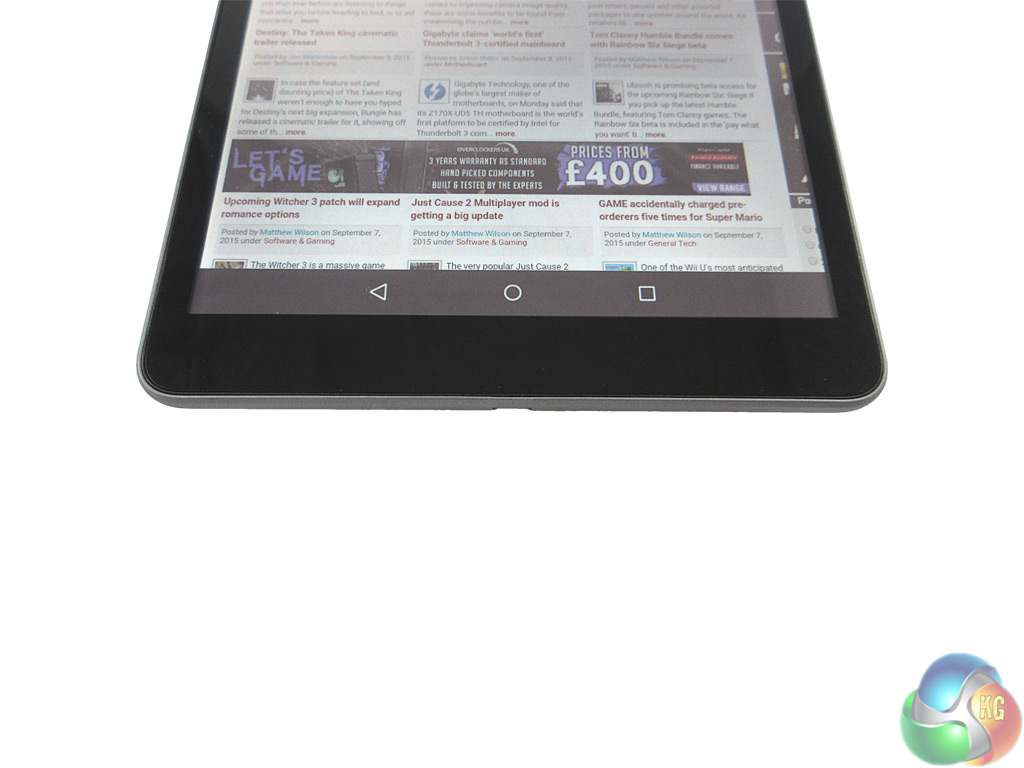
Brightness is nothing special, too, with the levels proving fine for indoor use. Outdoor use of the Tab prime 6 is more challenging (as with all tablets) but it is passable. Obviously it is more a strain to use comfortably, but it is still possible – unlike with some budget tablets which are just unusable in sunlight.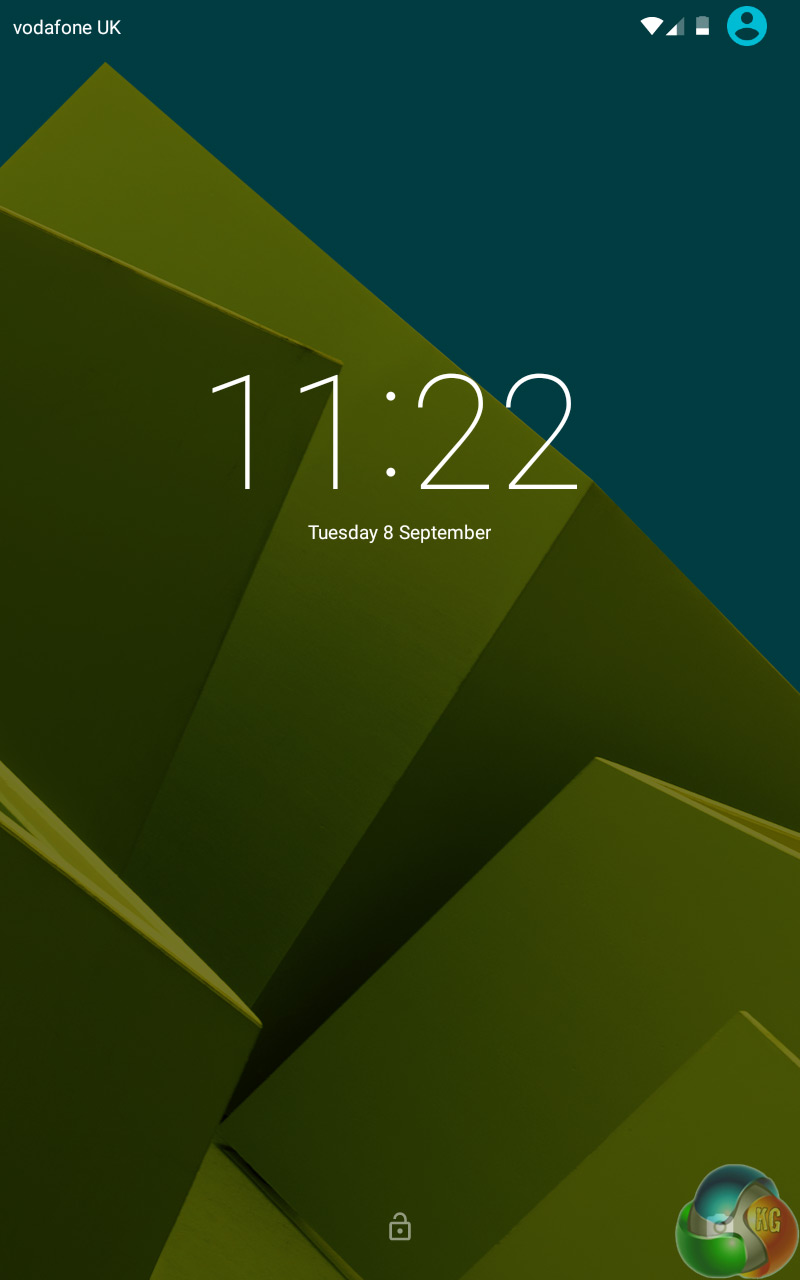
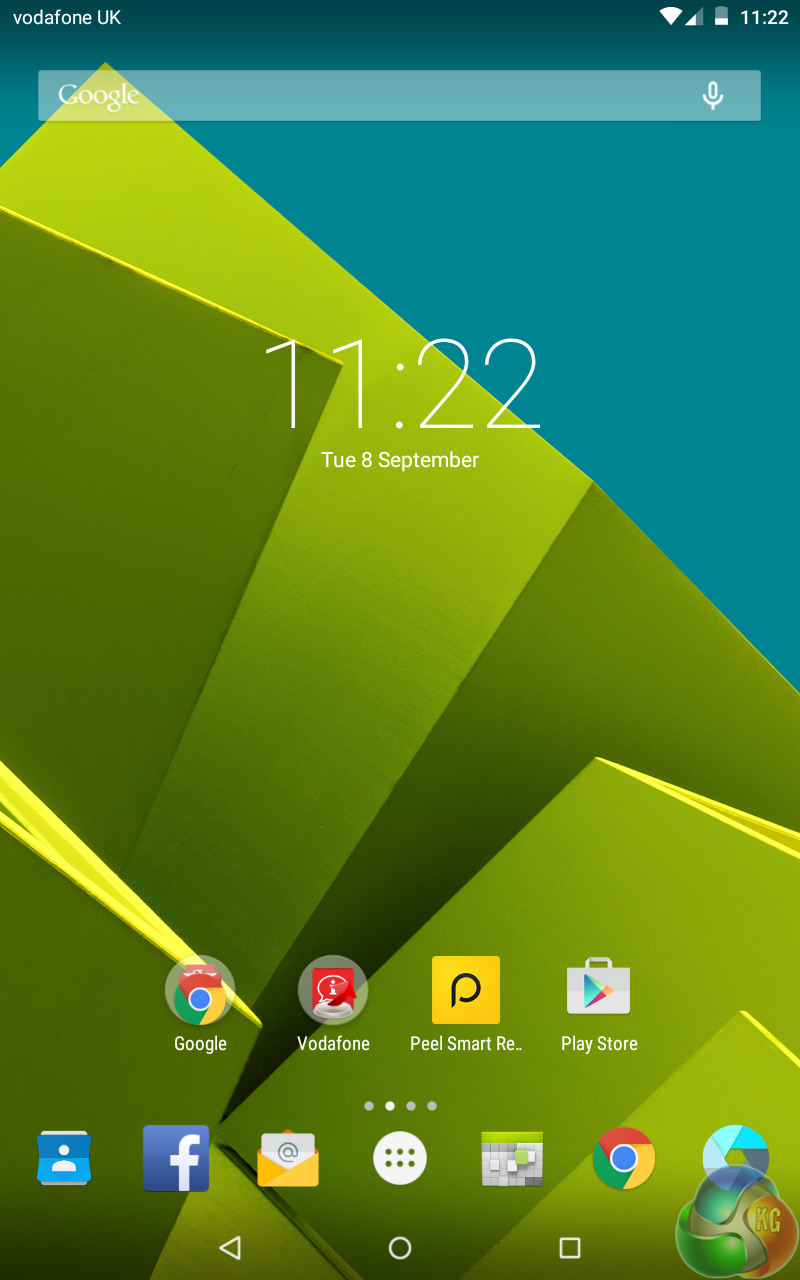
Android has always come essentially untouched on other Vodafone devices, and the same can be said here. I last reviewed the Smart first 6 which ships with KitKat 4.4. The Tab prime 6, however, comes with Lollipop 5.0 as standard, which is an OS I get on well with.
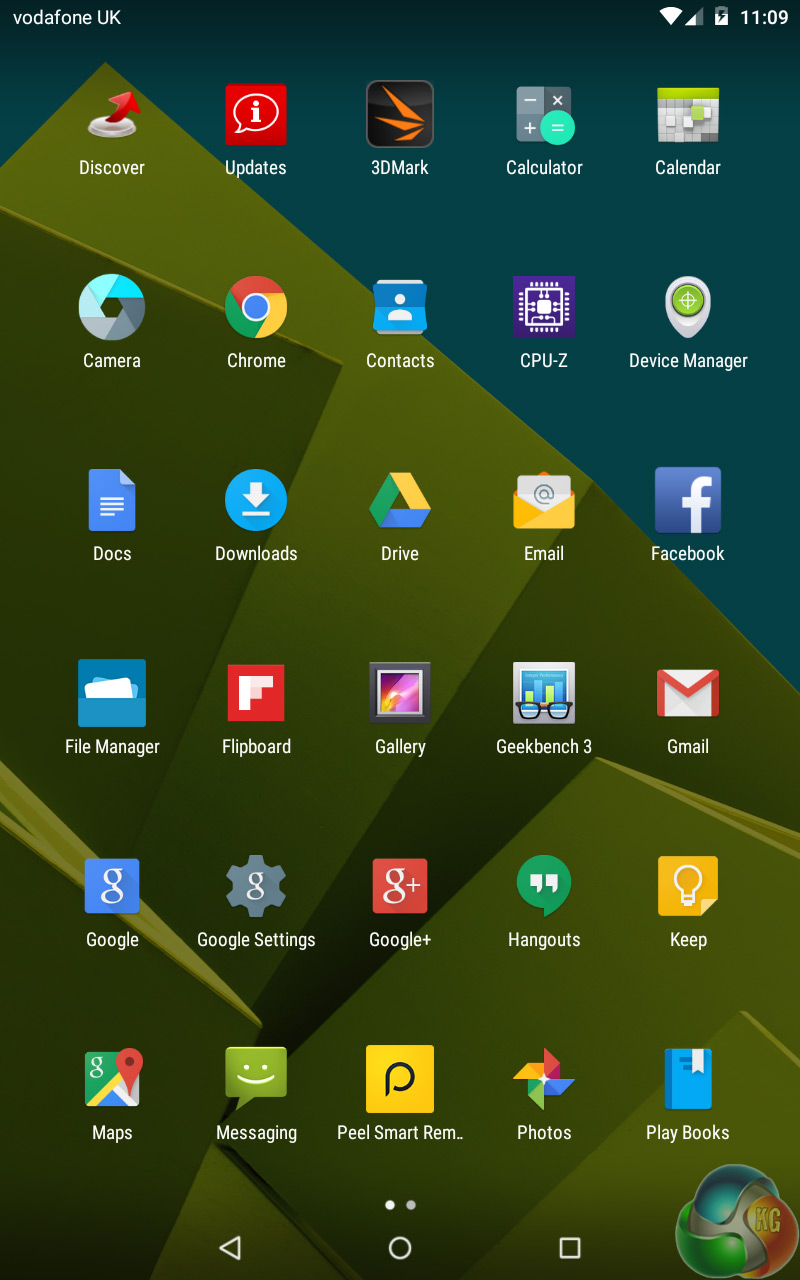
The home and lock screens are very standard Lollipop, with bright colours and sleek visuals. The launcher has been left as stock, with just a few Vodafone widgets here and there – including ‘Discover,' which lets you monitor data usage as well as other things.
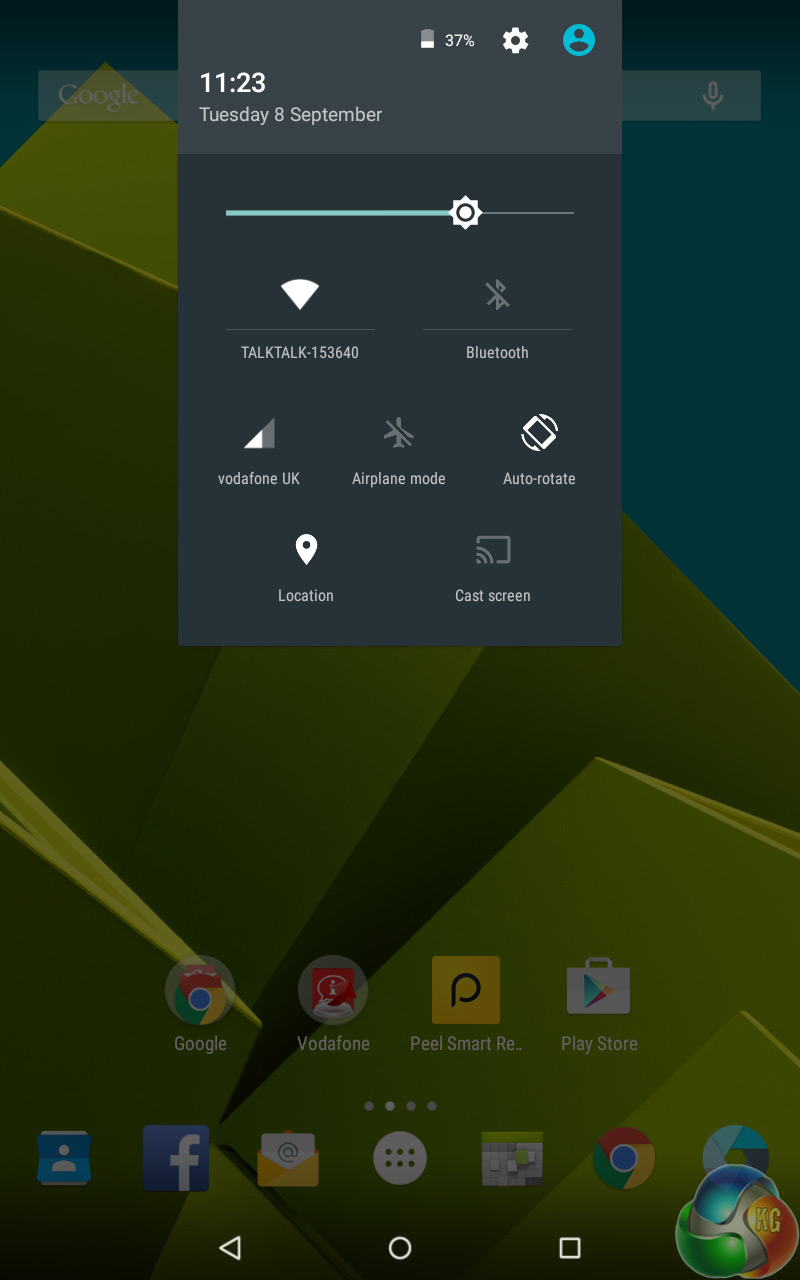
One very nifty feature of the Tab prime 6 is the so-called ‘Palm and Tap.' As far as I am aware, this is an original Vodafone feature and it is very useful. What this is a way of locking and unlock the tablet in an unconventional manner.
The ‘Palm' refers to the ability to place your palm on the tablet's display – and the device will lock. The ‘Tap' refers to double-tapping the display – while locked – and it will unlock, similar to LG's KnockOn feature. I found myself using this a lot, and it is certainly a welcome addition to Lollipop.
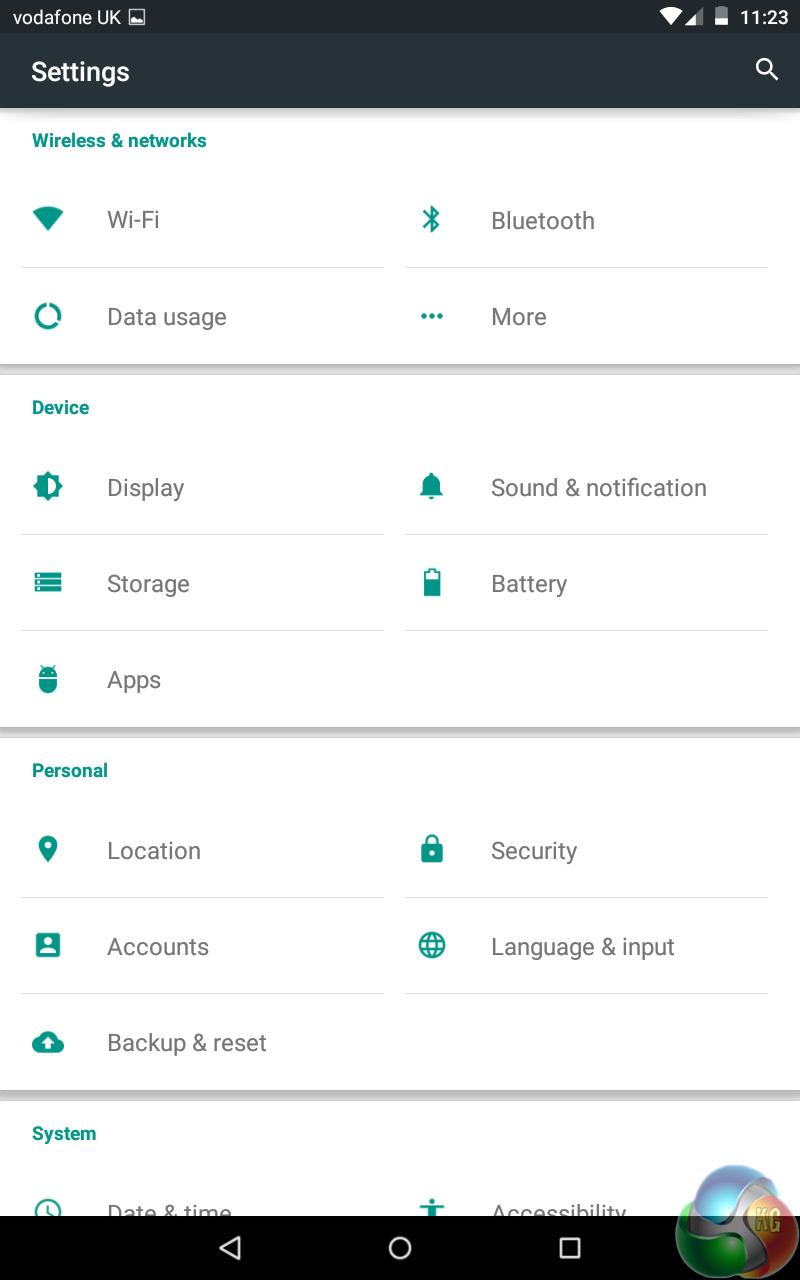
Moving on to other areas, the settings menu is also stock Lollipop, with its green and white theme very recognisable. Previously I have criticised Vodafone for not including tabs for different settings, as this means users do not have to scroll to every setting they want to access. Due to the large display, however, this is not a problem as almost every sitting fits on-screen without any scrolling.
I have also previously criticised Vodafone's bloatware included with their devices. You will be glad to know it is less of a problem here, with just the two Vodafone apps – the aforementioned ‘Discover' and an ‘Updates' app. While the latter is redundant as software updates can be found through the device settings, Discover is handy if just for allowing users to manage their data usage.
So again – stock Lollipop, and nothing too flashy. Despite this, the ‘Palm and Tap' feature is innovative and I found it very useful. A lack of bloatware is also nice to see, so on the whole the included software is pretty much perfect in my view.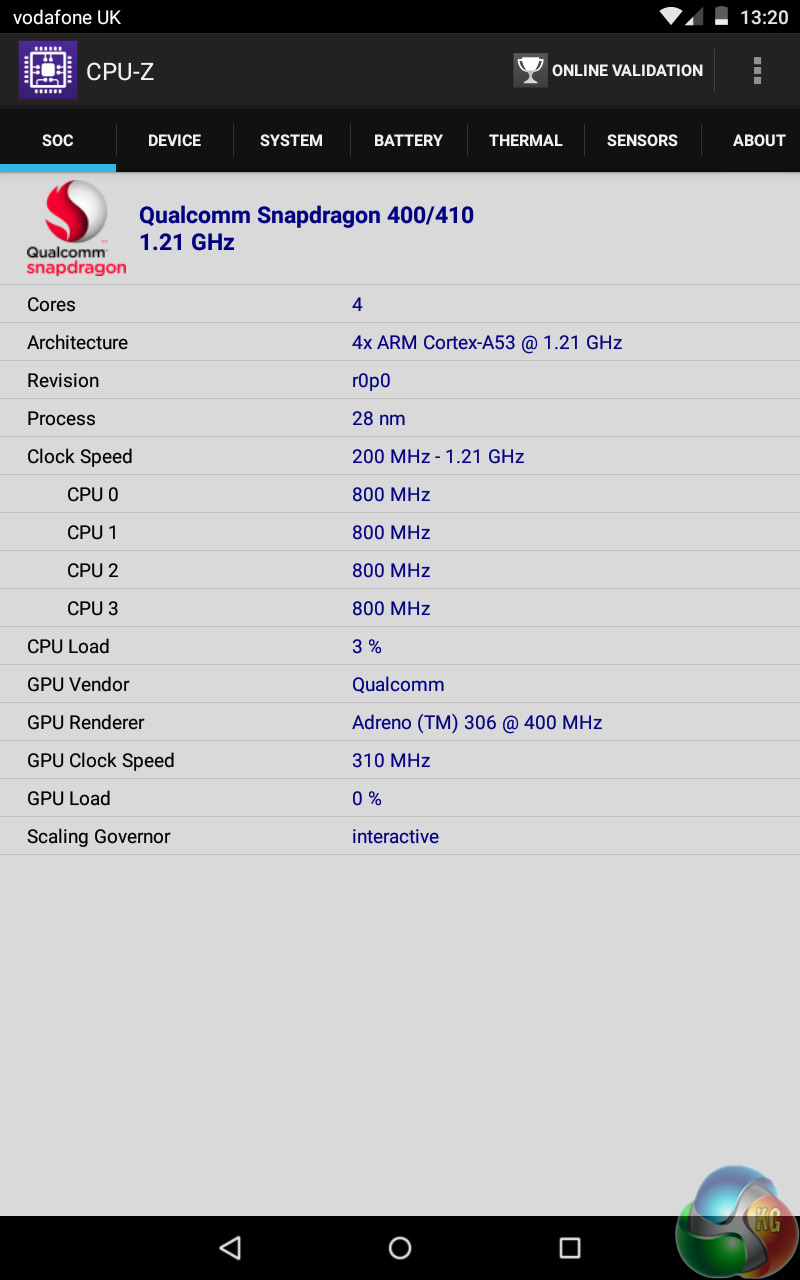
Just like the Smart prime 6, the Tab prime 6 has a Snapdragon 410 CPU at its heart. Alongside this is 1GB RAM. As such, we can expect similar performance from both the budget devices – but I find this slightly disappointing. The Smart ultra 6 runs off the Snapdragon 615 CPU, and I would have liked to see the same CPU in the Tab prime 6, especially considering the tablet is actually more expensive than the Ultra 6.
Still, the 410 offers reasonable performance on a budget. Things are helped by the fact that Vodafone have left Android as stock, so there is no extra ‘software layer' to slow things down. As such, the 410 multitasks well and is more than good enough at handling my favourite mobile games (Stick Hero and Temple Run 2.) There is some occasional lag when typing, but generally performance from the Tab prime 6 is good enough.
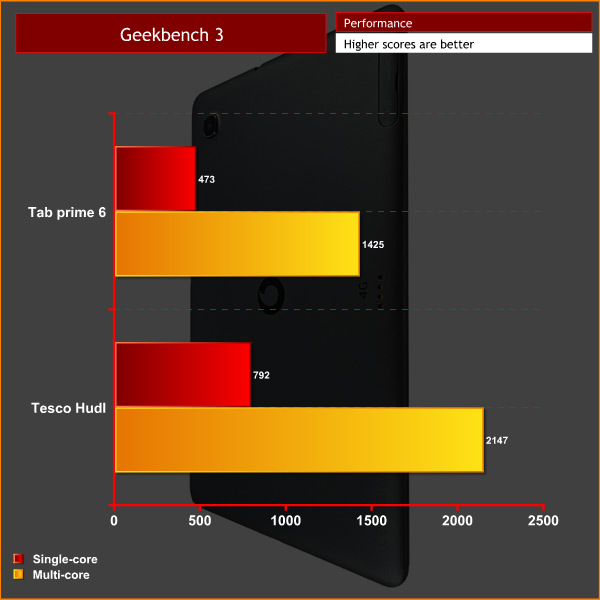
Budget performance is reflected in the benchmark results. As you can see above, the Tesco Hudl 2 comprehensively out-performs the Tab prime 6 in Geekbench 3 – despite costing £51 less.
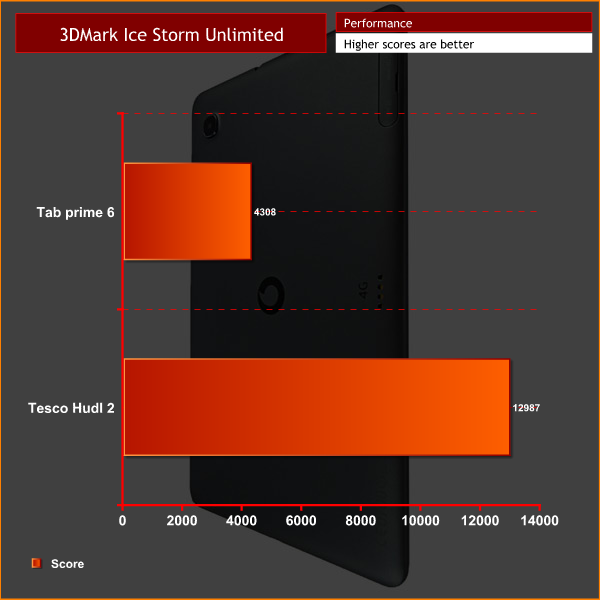
In Ice Storm Unlimited, the Tab prime 6 is again trounced by the Hudl 2 (powered by an Intel Z3735D), scoring almost 4 times less than its cheaper competitor. I think such benchmark results reinforce my view that the Tab prime 6 would have been better off with a beefier CPU.
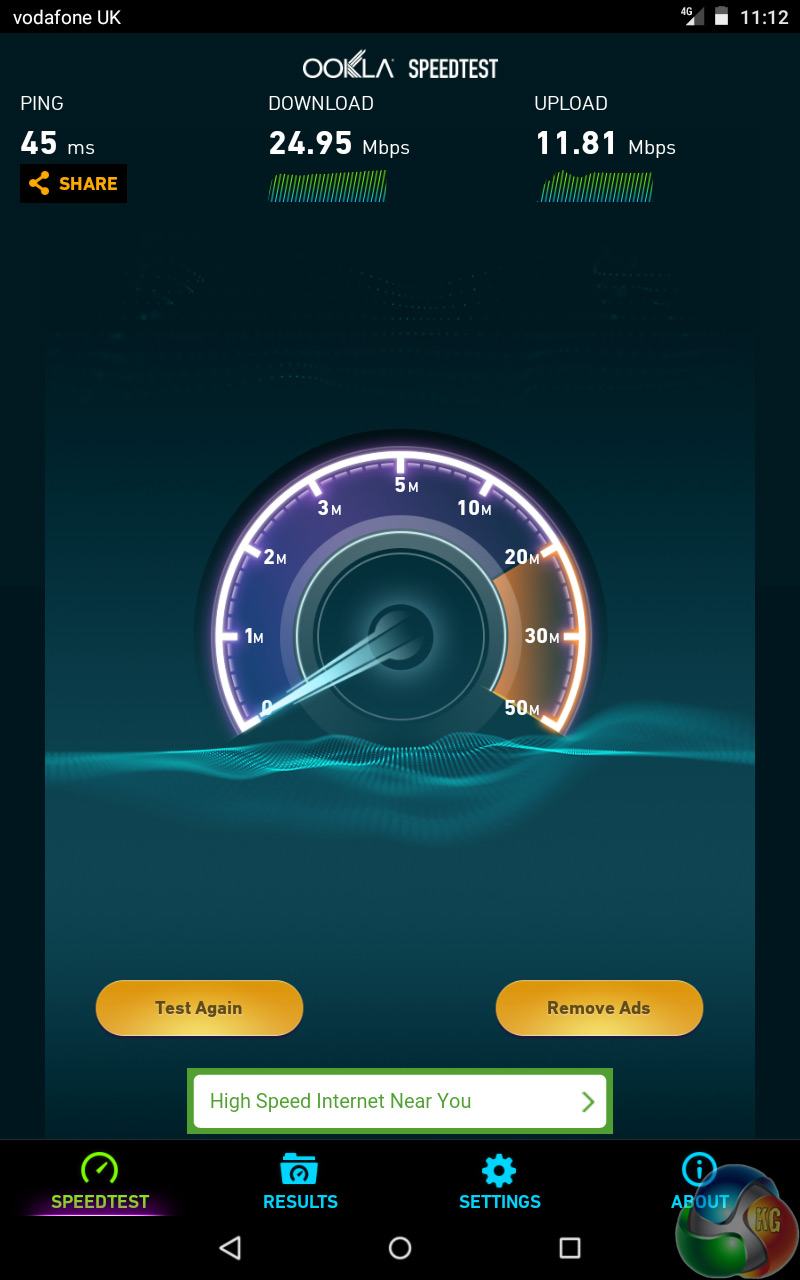
Finally, mobile data speeds. The Tab prime 6 is 4G capable, and I found download speeds hover around the 25mbps mark, while upload speeds are closer to 10mbps.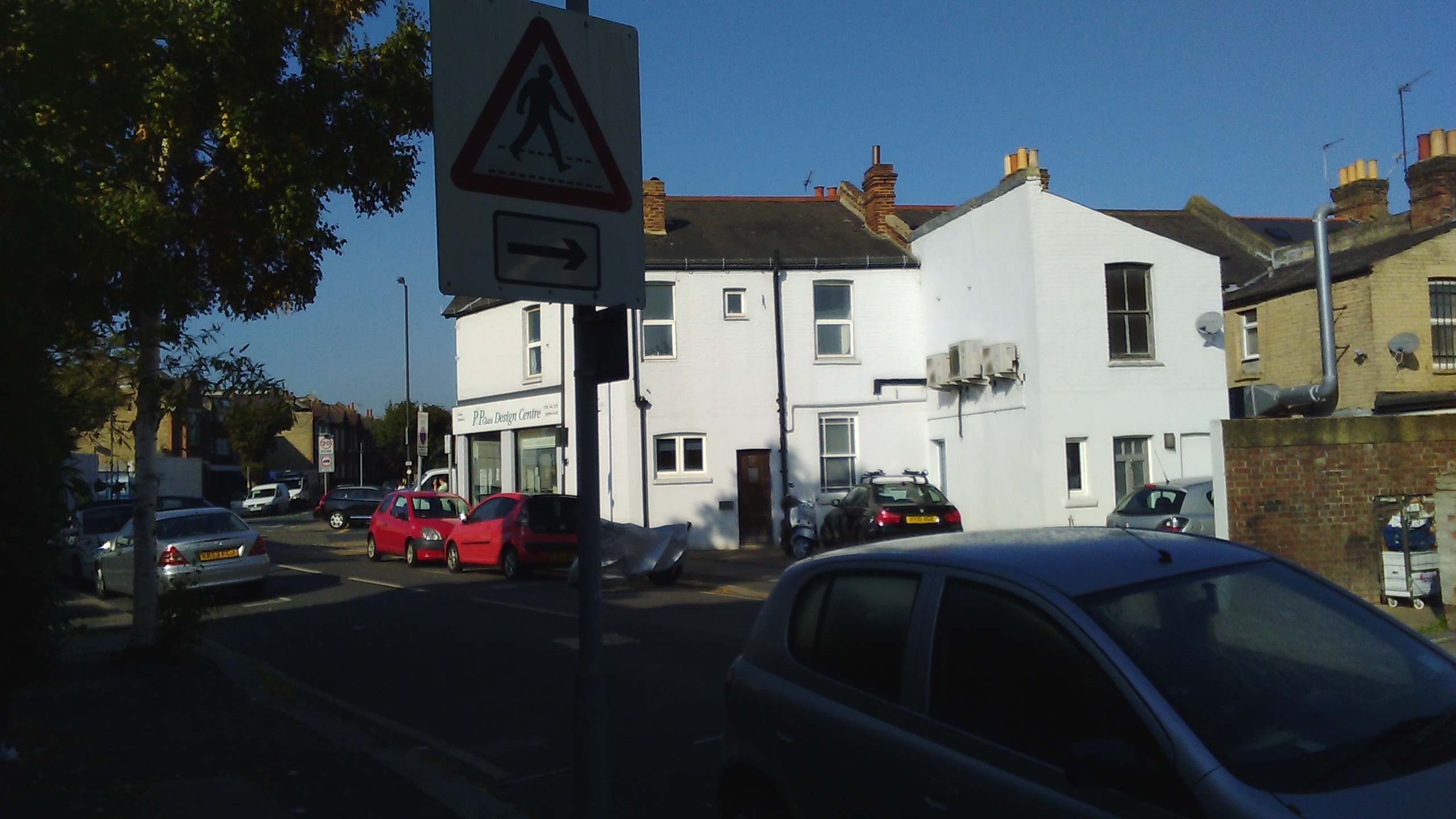
While a 2MP secondary camera does the job for your selfies, the main camera unit is 5MP – taking photos at a native resolution of 2560*1440.
Just starting with the pixel count, images are not especially sharp. Tablets do not typically have sensors bigger than 8MP, but the images from the Tab prime 6 do lack that bit of extra detail.

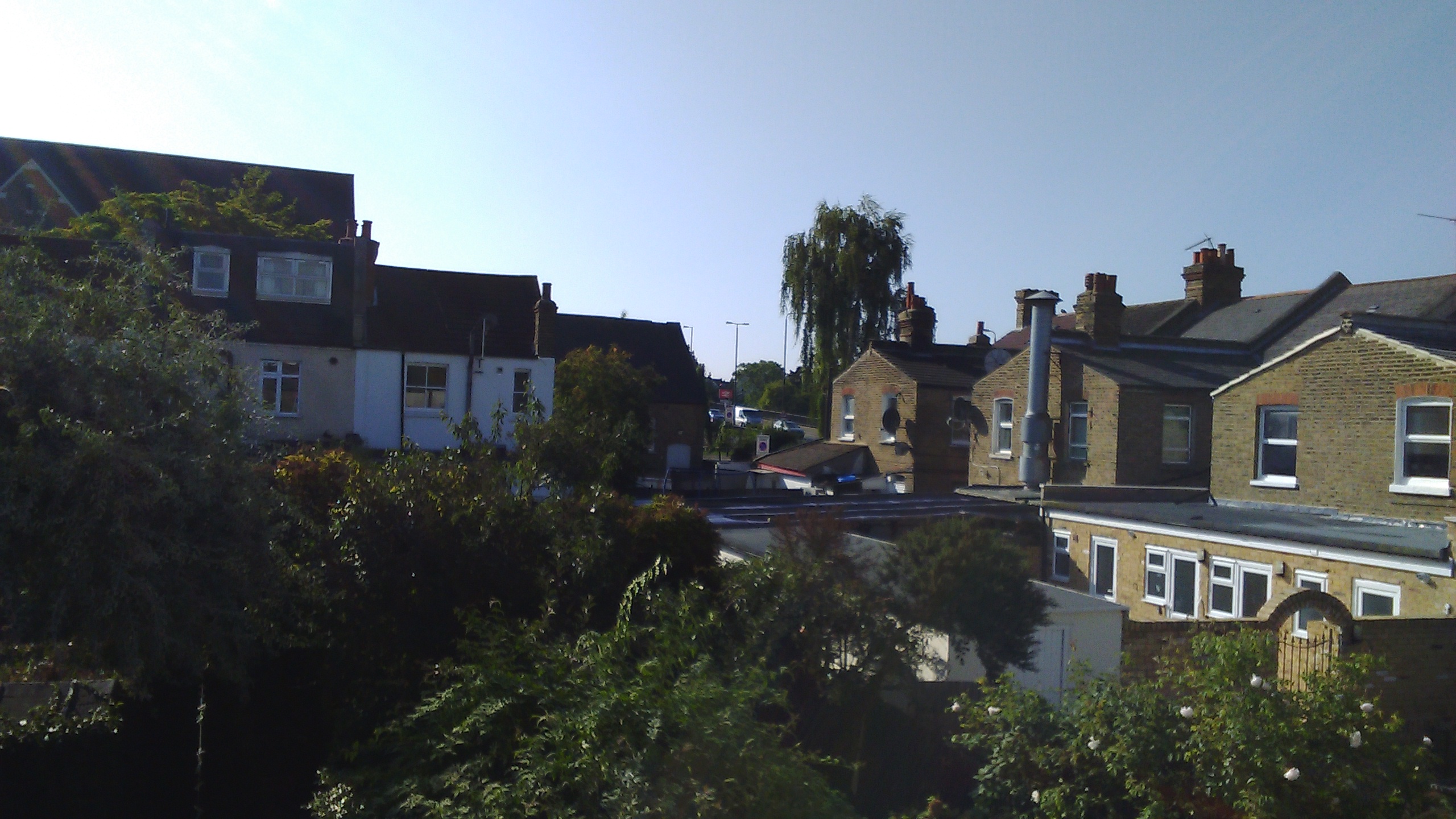
Colours are mostly okay, but images can appear washed-out. Strong ambient lighting allows for better shots, but you are not guaranteed results with this camera. One major issue is that the camera struggles to focus – as there is no tap-to-focus feature as with most other smartphones and tablets. This just means it is a hope-for-the-best lottery when taking photos.


HDR on (left) compared with HDR off
Another issue is HDR mode. Usually it can save a budget camera unit by creating well-balanced photos with greater contrast. However, I found it actually did the opposite – as you can see above. Overall, I would stay stick to your smartphone's camera for your photography.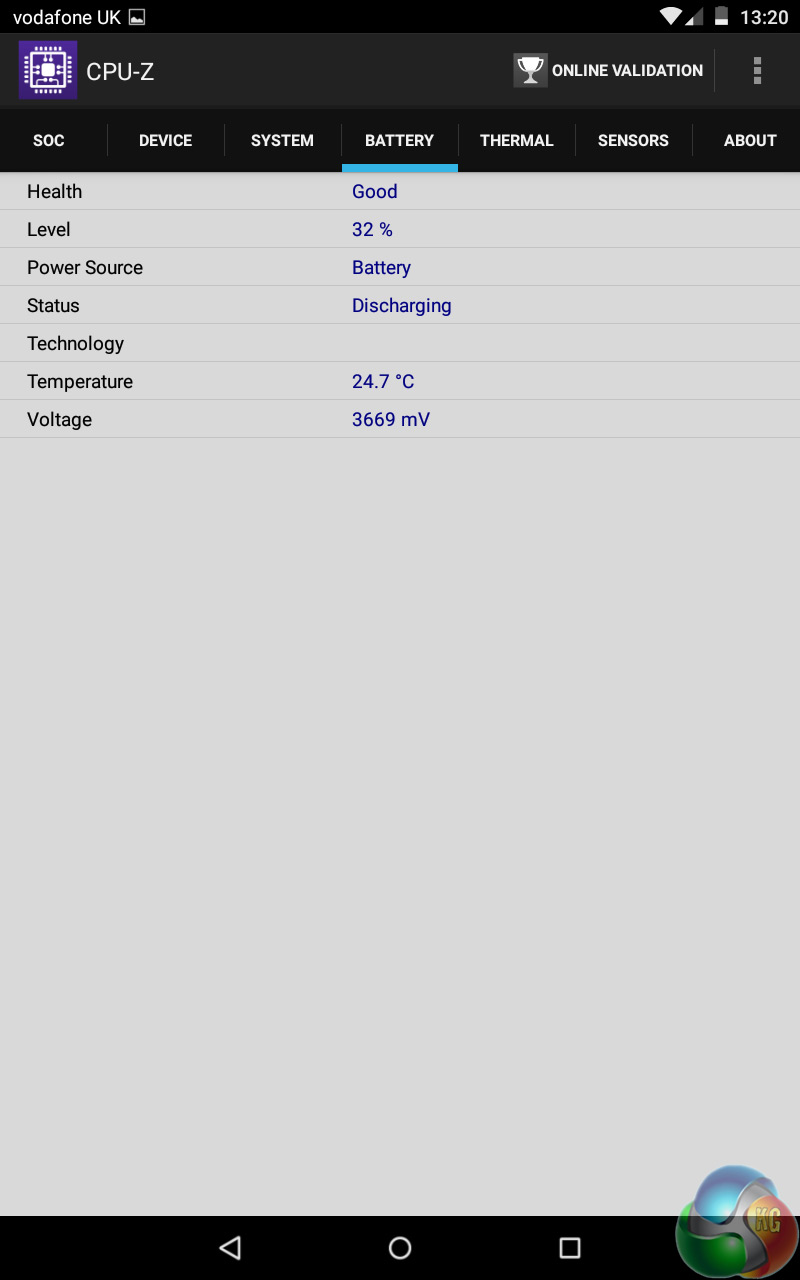
Powering everything inside the Tab prime 6 is a 4600 mAh battery. This does not sound like much compared with other tablets – but it is important to remember this device uses an 1280 x 800 display which uses less power than a 1080p panel, for instance.
Overall, I found battery life to be good but not exceptional. It would last around 2 days from a full charge – and this was playing games, watching videos and running our benchmarks at intermittent times. It is obviously better than just a single day, but it is not an industry-leading battery life.
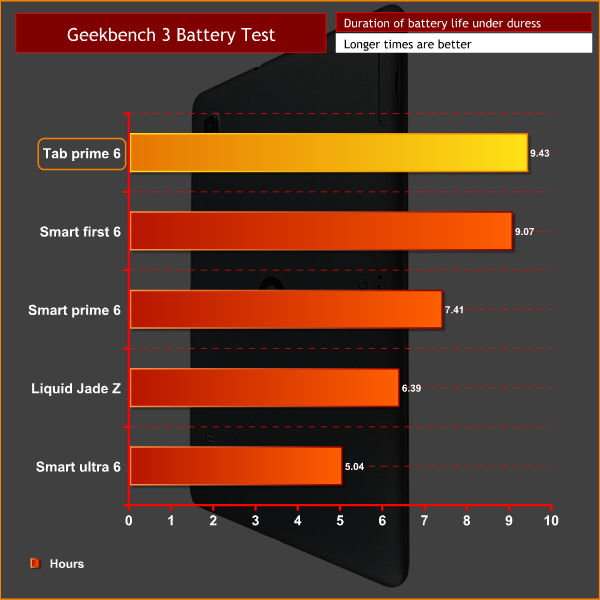
In the Geekbench 3 battery benchmark, I found the results support my view. A time of 9:43 is decent – it is the best we have seen yet, but crucially all the other devices are smartphones. For a quality tablet, I would hope for an extra couple of hours in the benchmark.
It is not bad battery life at all, Vodafone have just set the bar high with their smartphones and the Tab prime 6 does not seem at quite the same level.Overall, I have mixed feelings about the Vodafone Tab prime 6.
I have been very impressed by Vodafone's smartphones – particularly the excellent Smart ultra 6 – but the Tab prime 6 has a few areas which let it down.
For one, while performance is decent, I question the inclusion of a Snapdragon 410 CPU. The Smart ultra 6 runs off a Snapdragon 615, and costs £25 less. A beefier CPU such as the 615 would give the Tab prime 6 that extra cutting edge to elevate it above the competition.
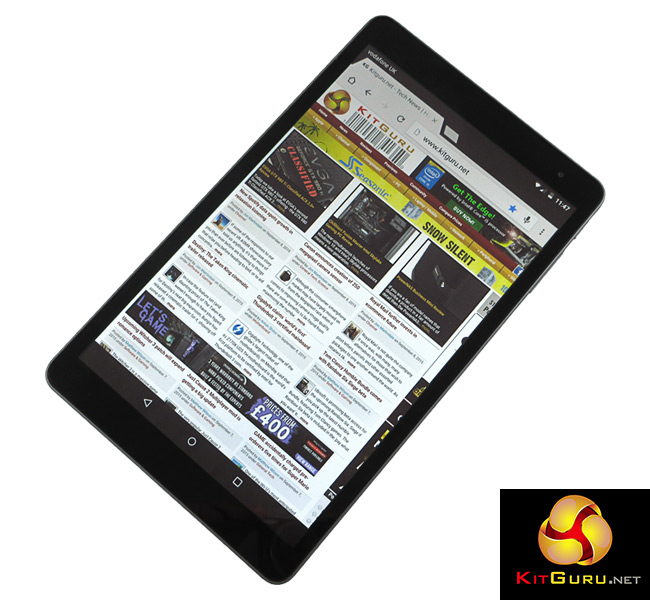
The display was also a weak area for me – somewhat surprisingly I must add. The ultra 6 has a lovely FHD IPS Quantum panel, while even the HD panel on the Smart prime 6 was impressive. However, the Tab prime 6 uses a poor 1280 x 800 resolution display, which across 9.6-inches is not very sharp at all. Colours also seem somewhat washed-out which is a shame.
I did like the design of the tablet though, with a satin-finish back meaning it is comfortable to hold. The tablet is also fairly light – lighter than the Nexus 9 despite having a larger display.
Sadly, the camera is quite poor indeed. Images lack focus and seem washed-out. HDR mode even made things worse, which is very unusual. Definitely stick to your smartphone for photography if you get the Tab prime 6.
At the end of the day, it is not a bad tablet. it just has a few areas which could – and should – have been improved. After setting the standard so high with the Smart ultra 6, Vodafone just seem unable to reach the same heights with the Tab prime 6.
You can buy the Tab prime 6 from Vodafone for £150 inc VAT here – and this includes 6GB of data for a month.
Discuss on our Facebook page, over HERE.
Pros
- Inexpensive.
- Light and fairly thin.
- Satin-touch finish feels good.
- Large display.
Cons
- Performance could be better.
- Screen resolution is lacking.
- Poor camera.
KitGuru says: Overall the Tab prime 6 is not a bad tablet, there are just a few weak areas that let the device down. Even with just an improved display it becomes a much more appealing prospect, as at the moment the HD panel is a big disappointment.