KitGuru KitGuru.net – Tech News | Hardware News | Hardware Reviews | IOS | Mobile | Gaming | Graphics Cards


ASUS ROG RX 5500 XT Strix 8GB
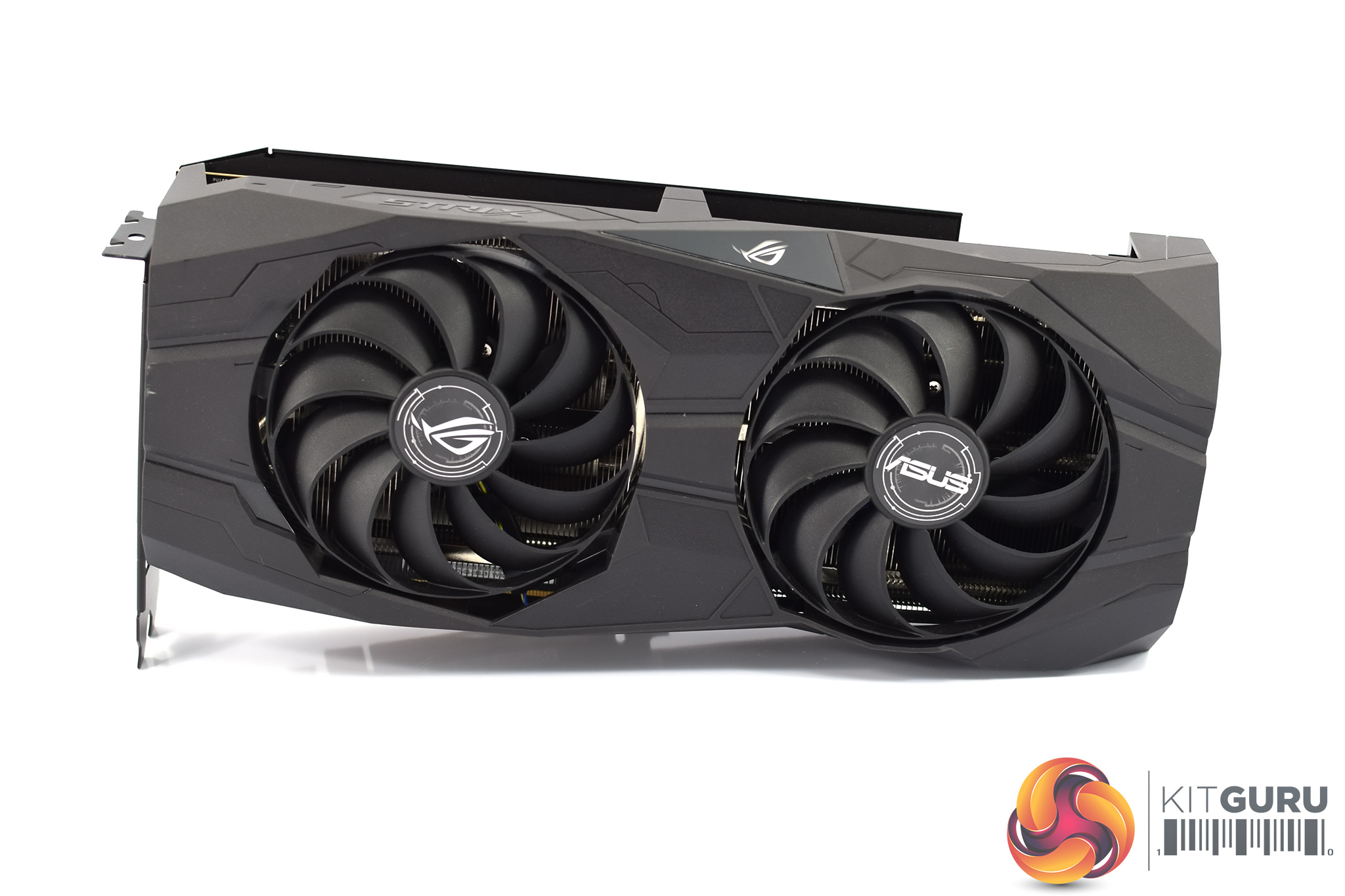
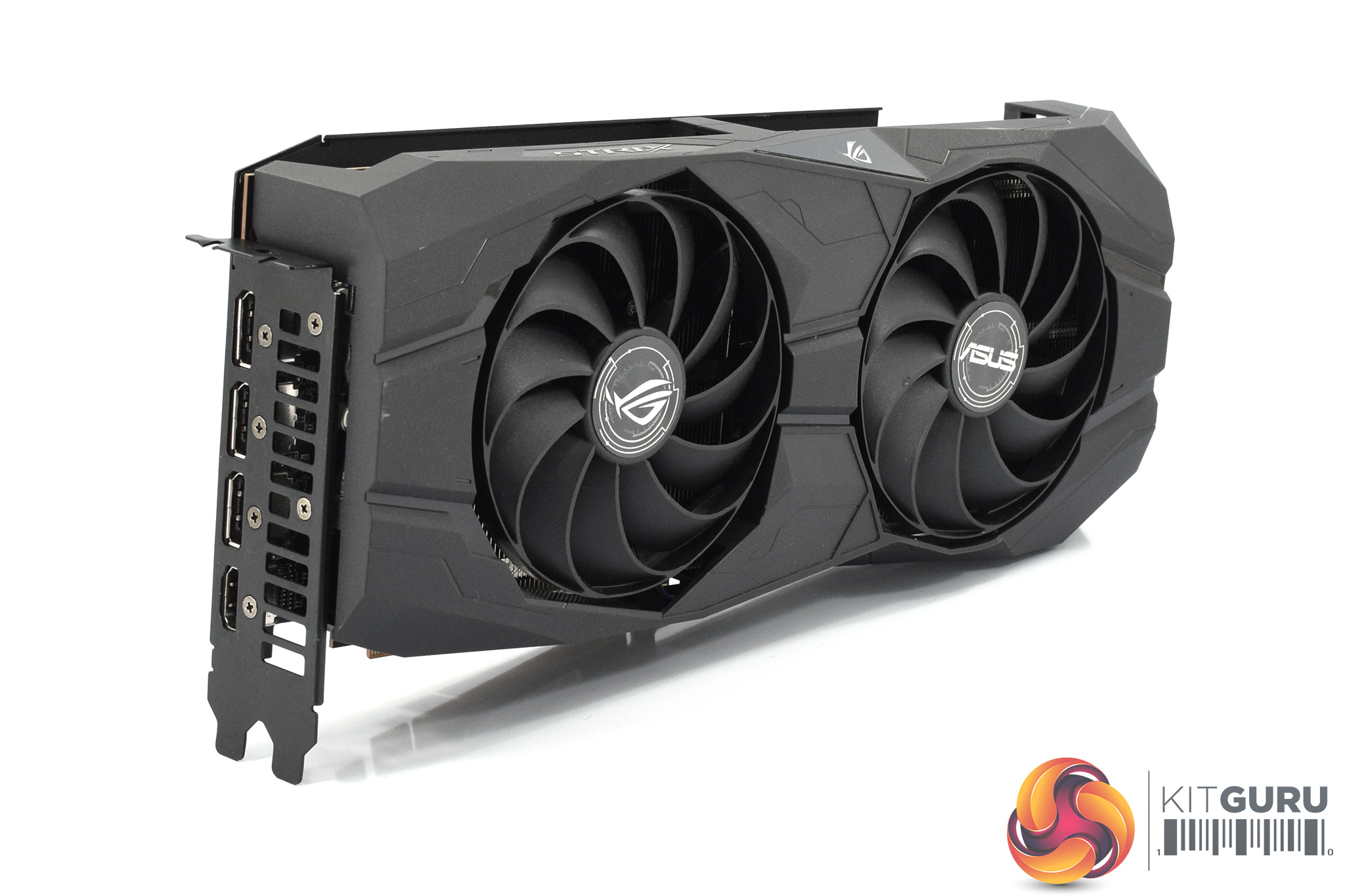
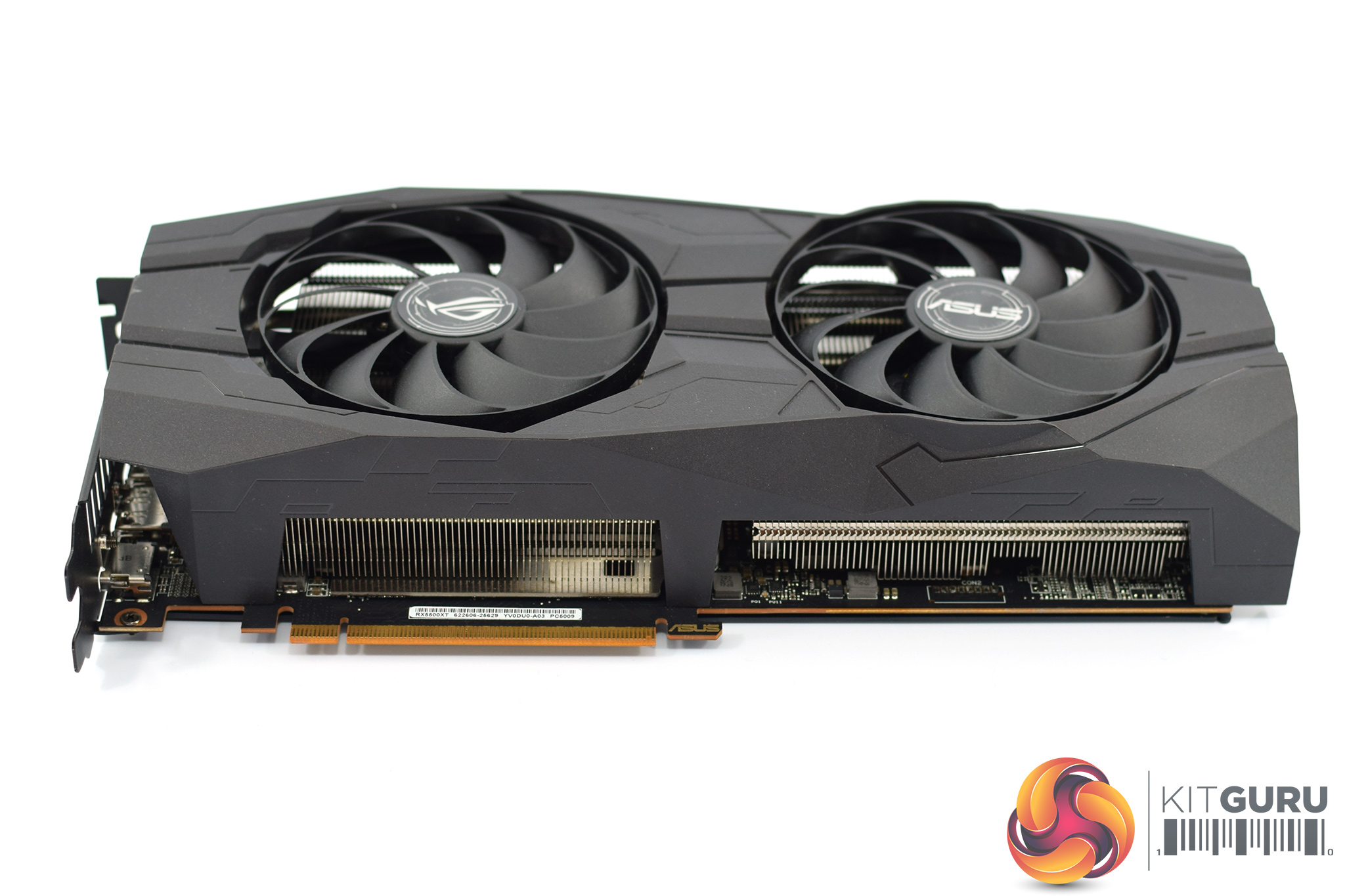

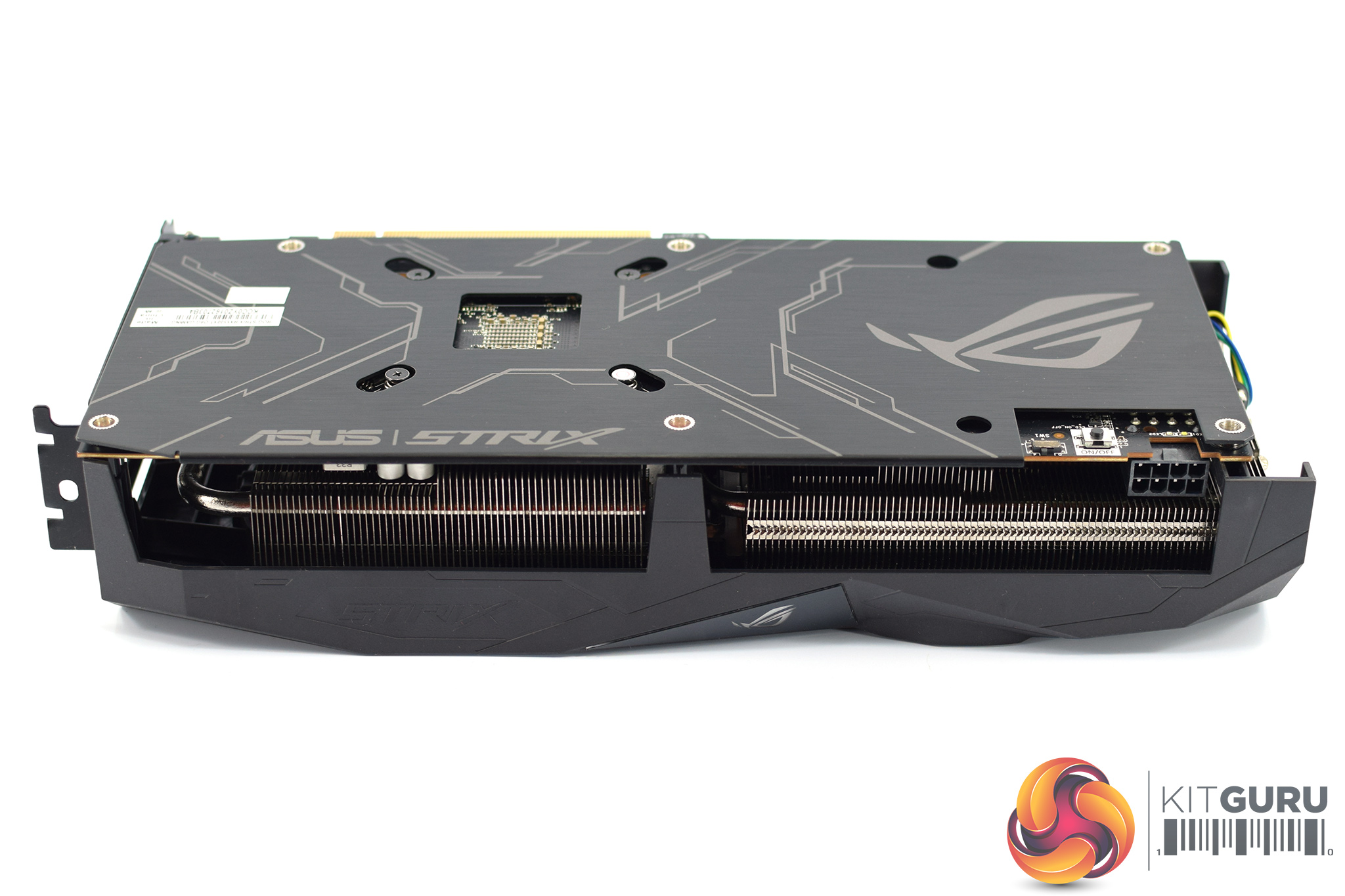
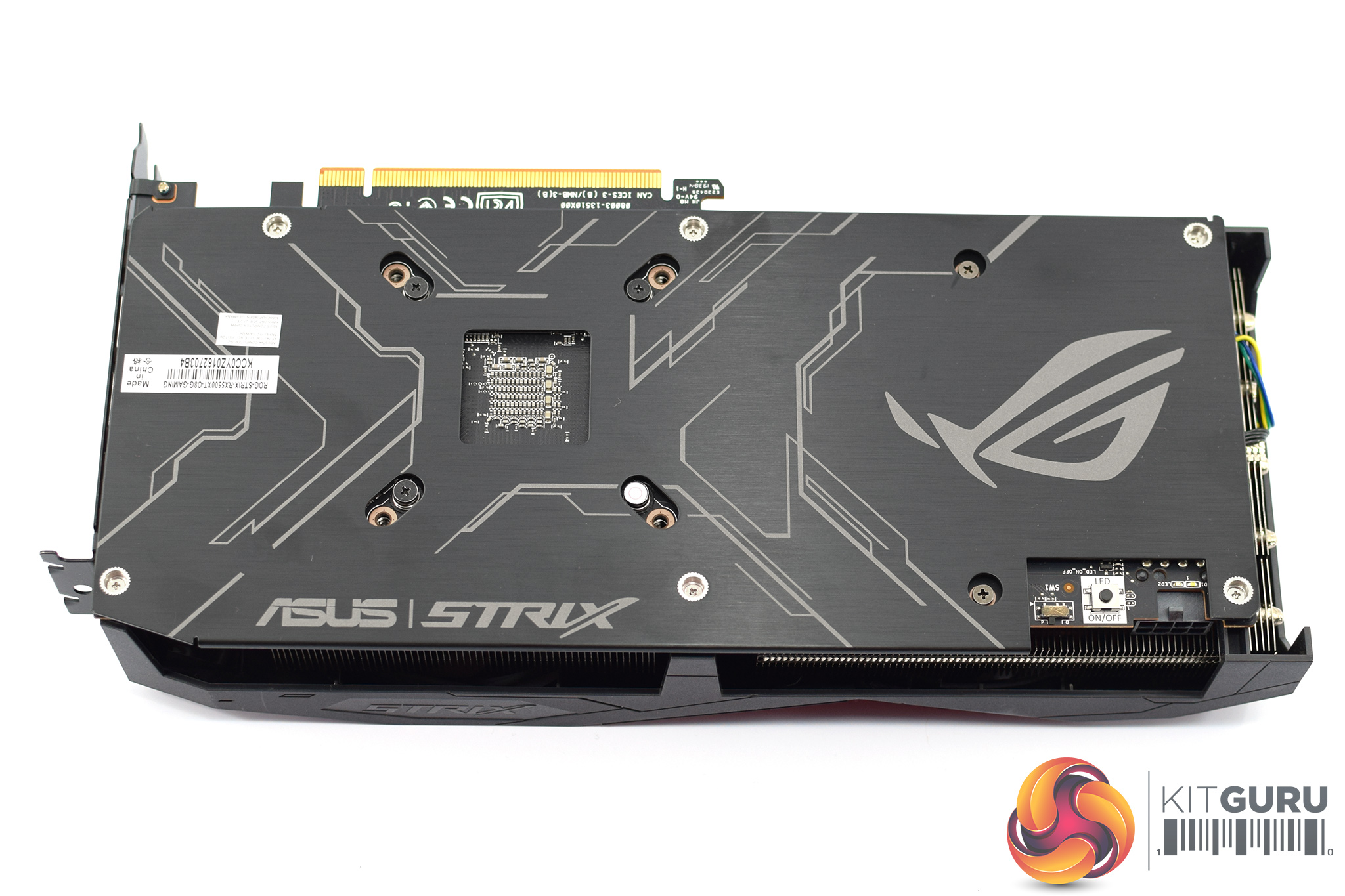
Starting off with the ASUS ROG RX 5500 XT 8GB, this model keeps to the Strix design aesthetic we have come to expect from ASUS ROG's flagship cards over the last couple of years. Aside from the stealthy, all-black design, the plastic shroud is impressively sturdy and well-built – there's not a hint of flex to this card at all.
For a 5500XT, it's also great to see a full-length, brushed metal backplate, though be aware this card is definitely on the large side, especially for a 5500 XT – it measures 28 x 12.7 x 5.8cm, so it will occupy three slots in your case. Each of the two ‘axial-tech' fans measure 100mm.
Sapphire RX 5500 XT Pulse 4GB
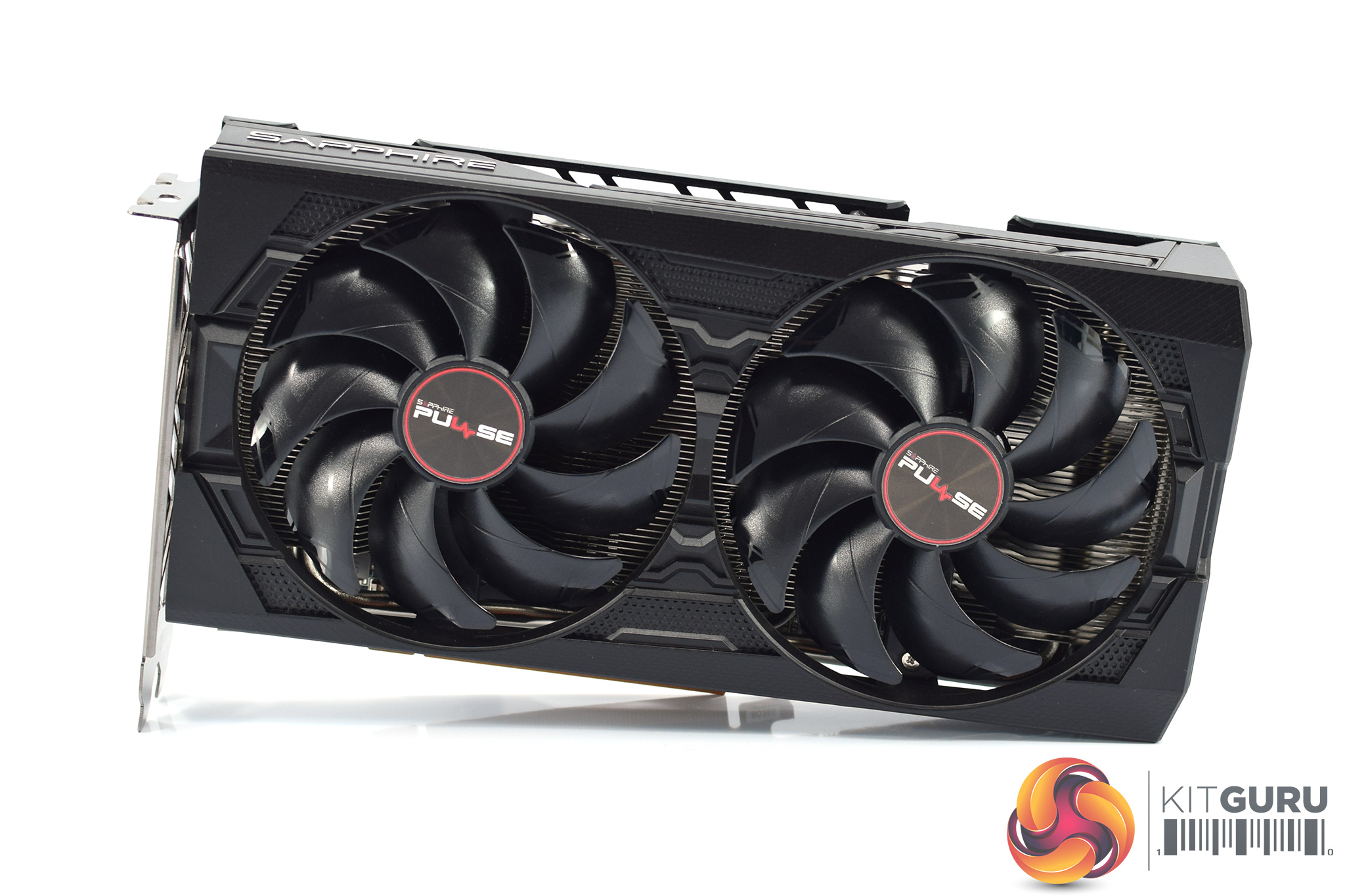
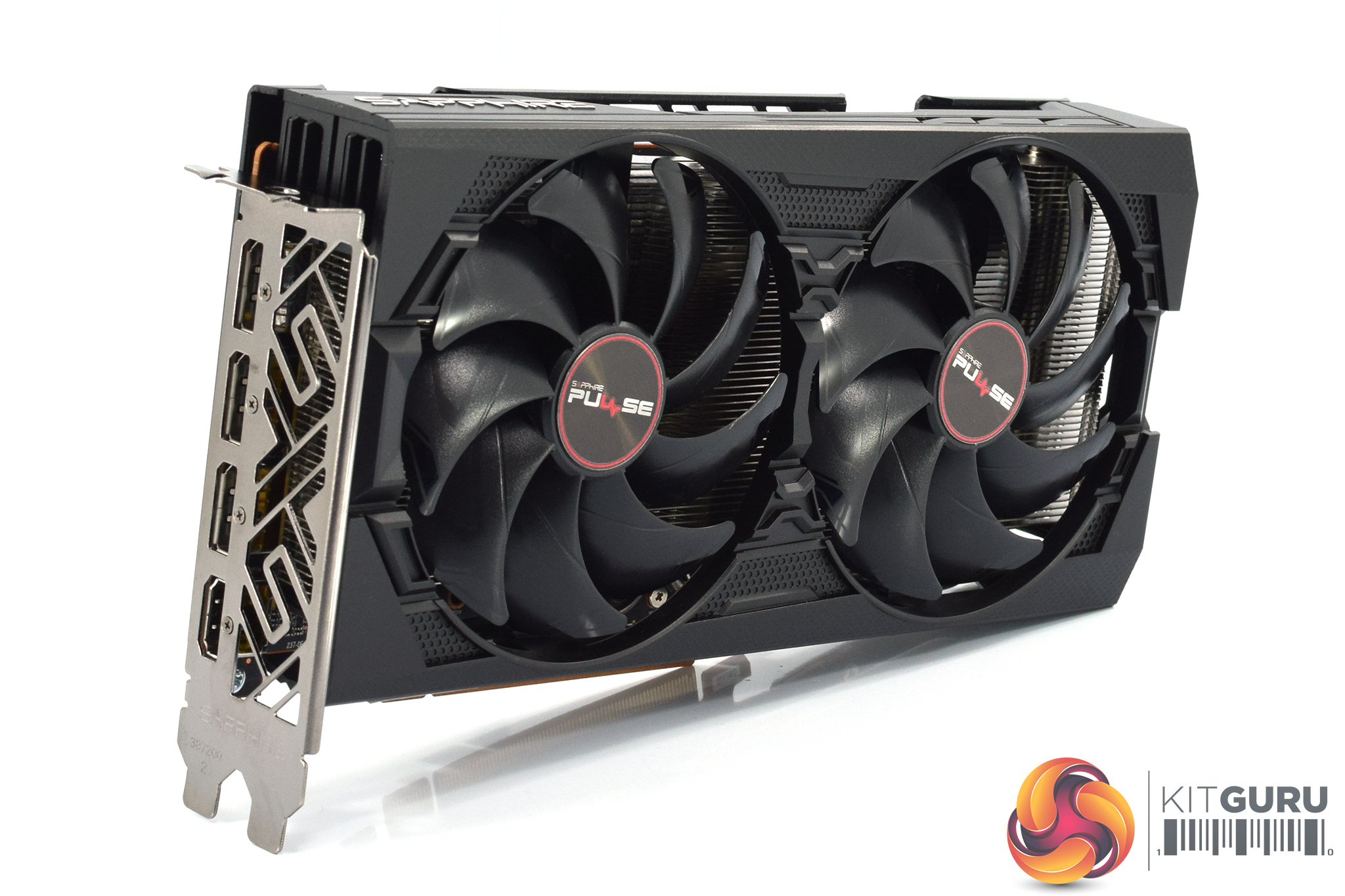
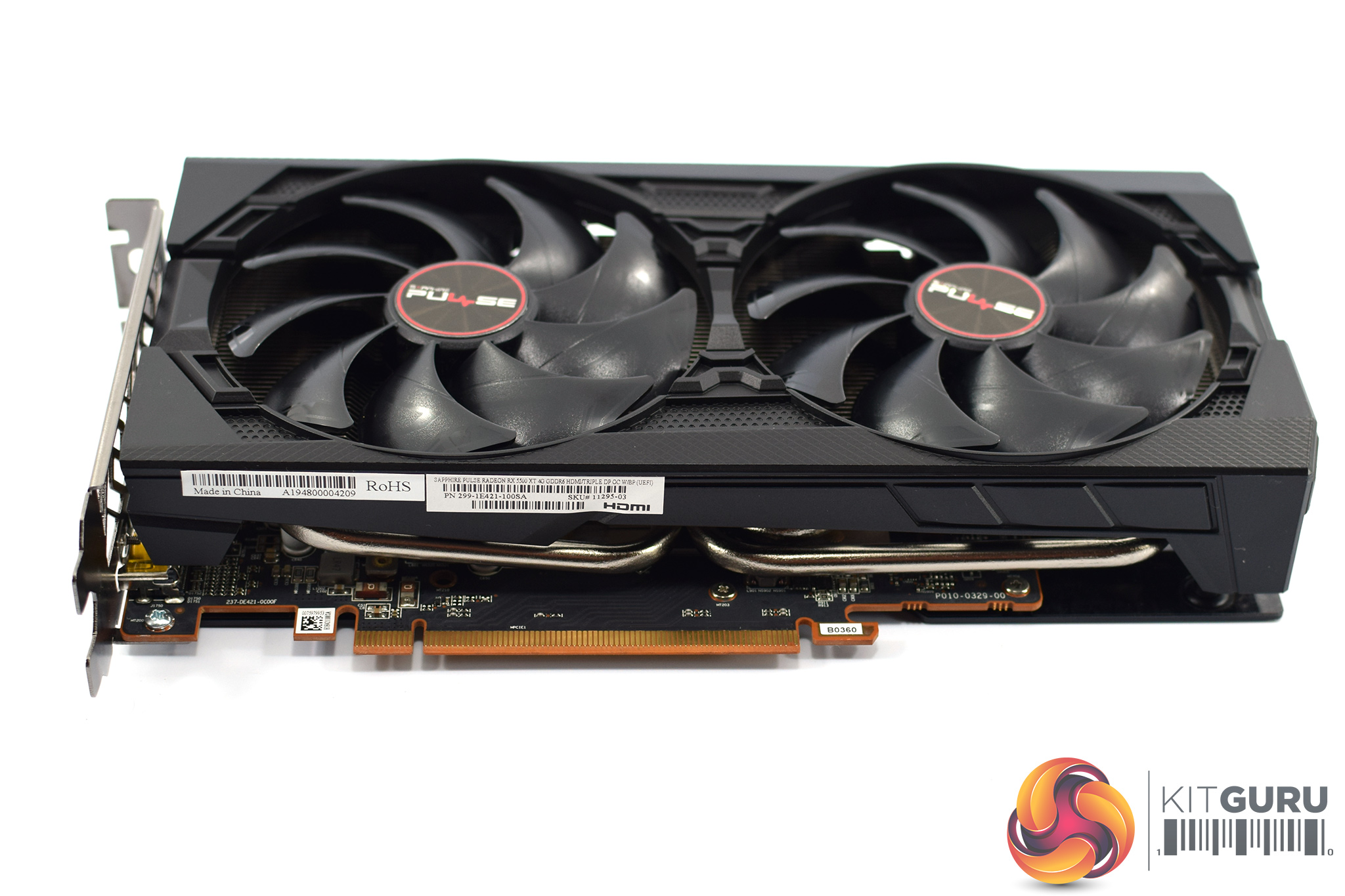
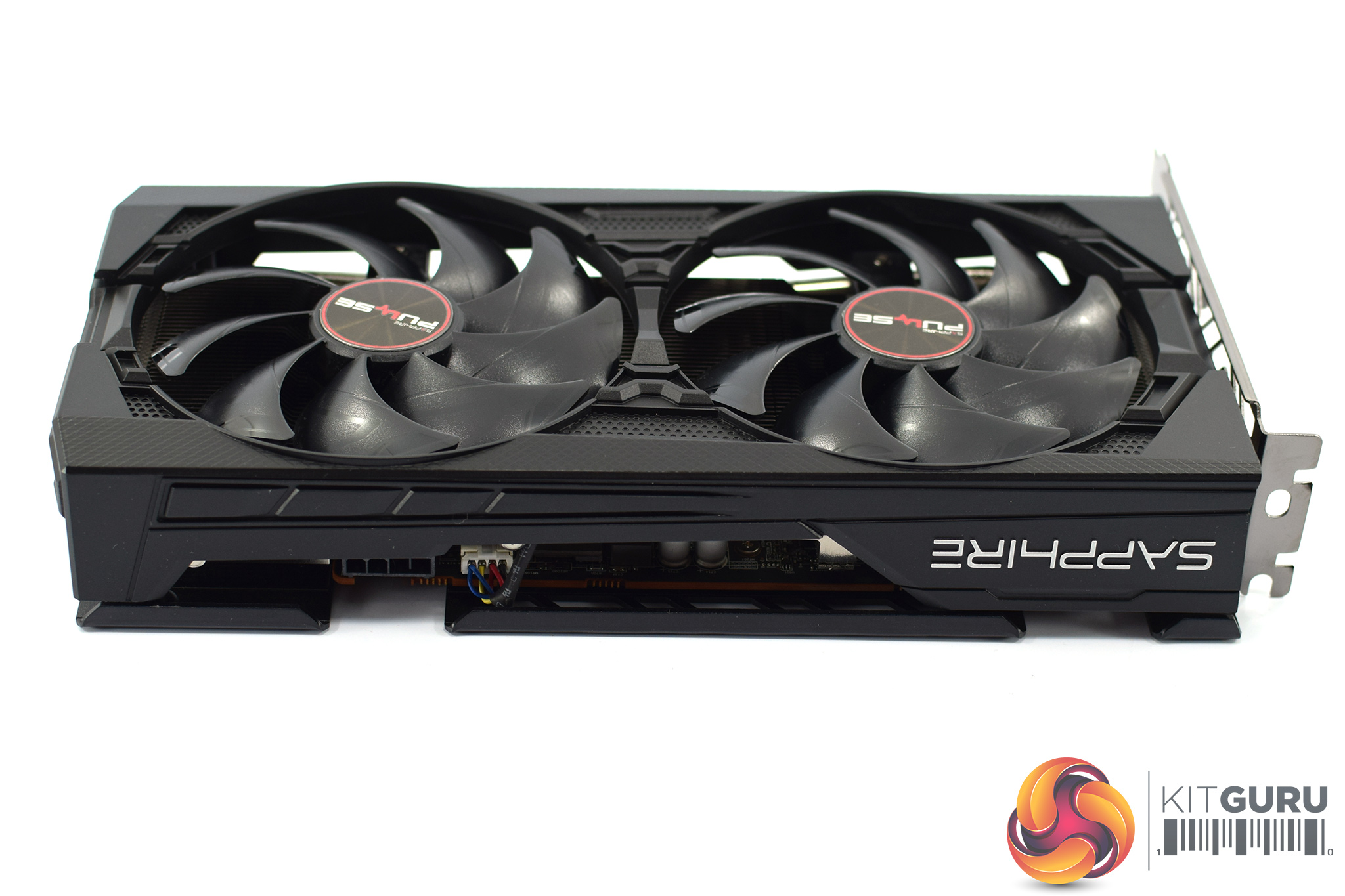
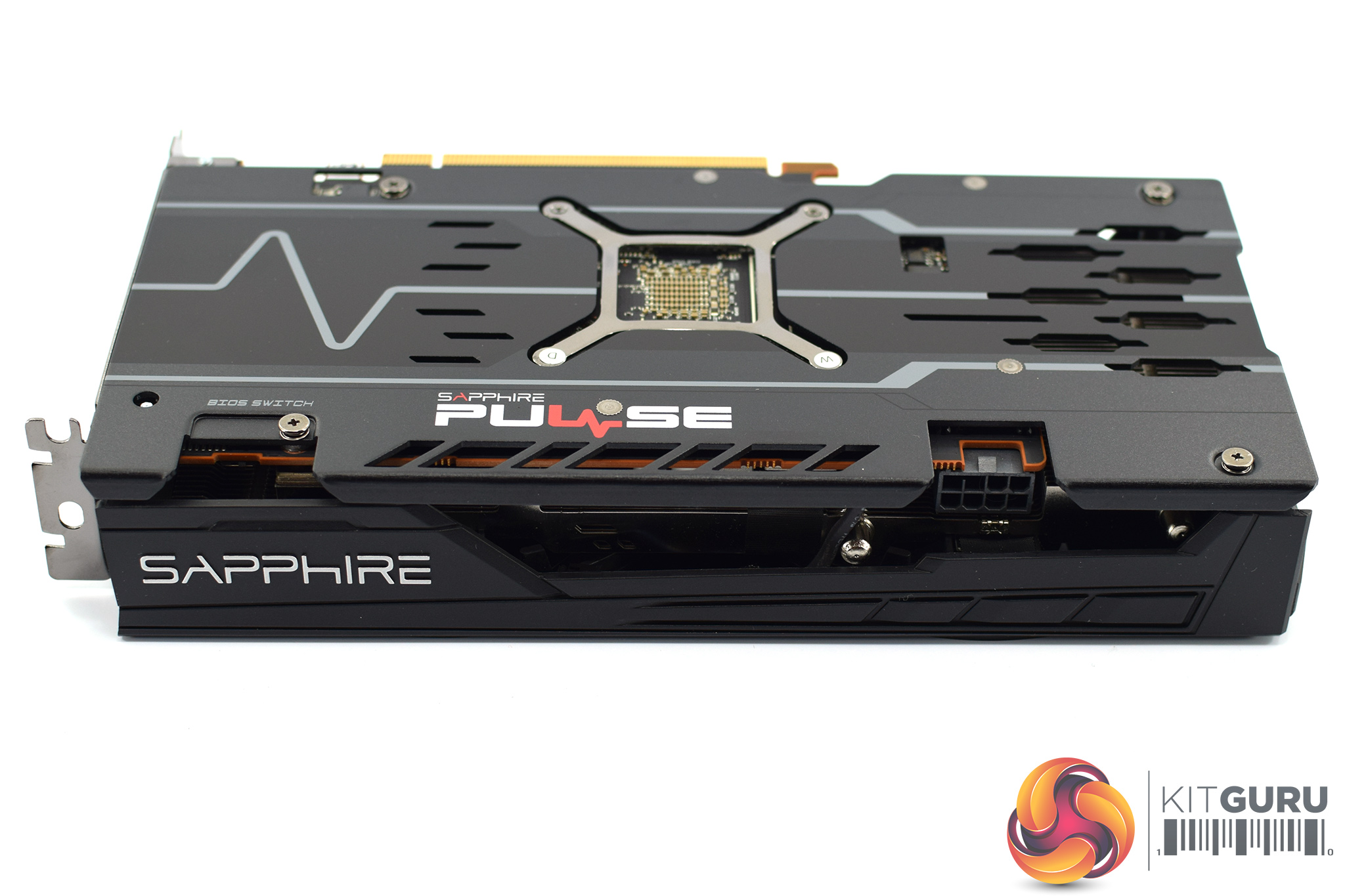
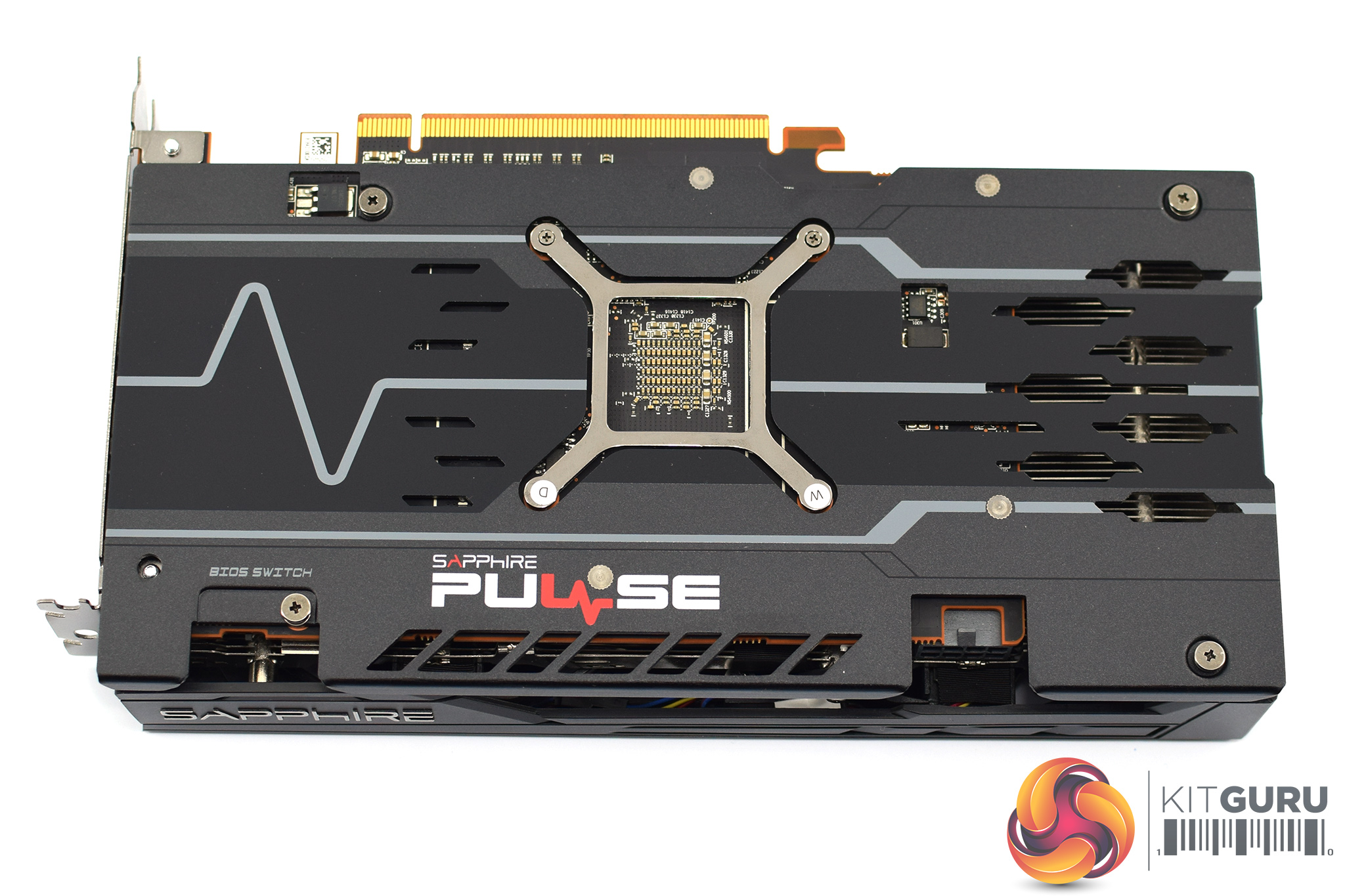
Sapphire's Pulse 5500 XT is a familiar design, adopting the same dual-fan approach as the Pulse 5600 XT and 5700 XT we have also reviewed. The stealthy black shroud and black/grey backplate does look good, plus the card has dual-BIOS support which other 5500 XT models lack.
In terms of its size, it's not massive but it's not tiny either – measuring in at 233mm x 121.8mm x 39.6mm. That means it's a standard dual-slot card, so you can expect this to fit in all but the most space-restricted of systems. Lastly, its two fans measure 100mm.
Palit GTX 1650 Super StormX OC 4GB
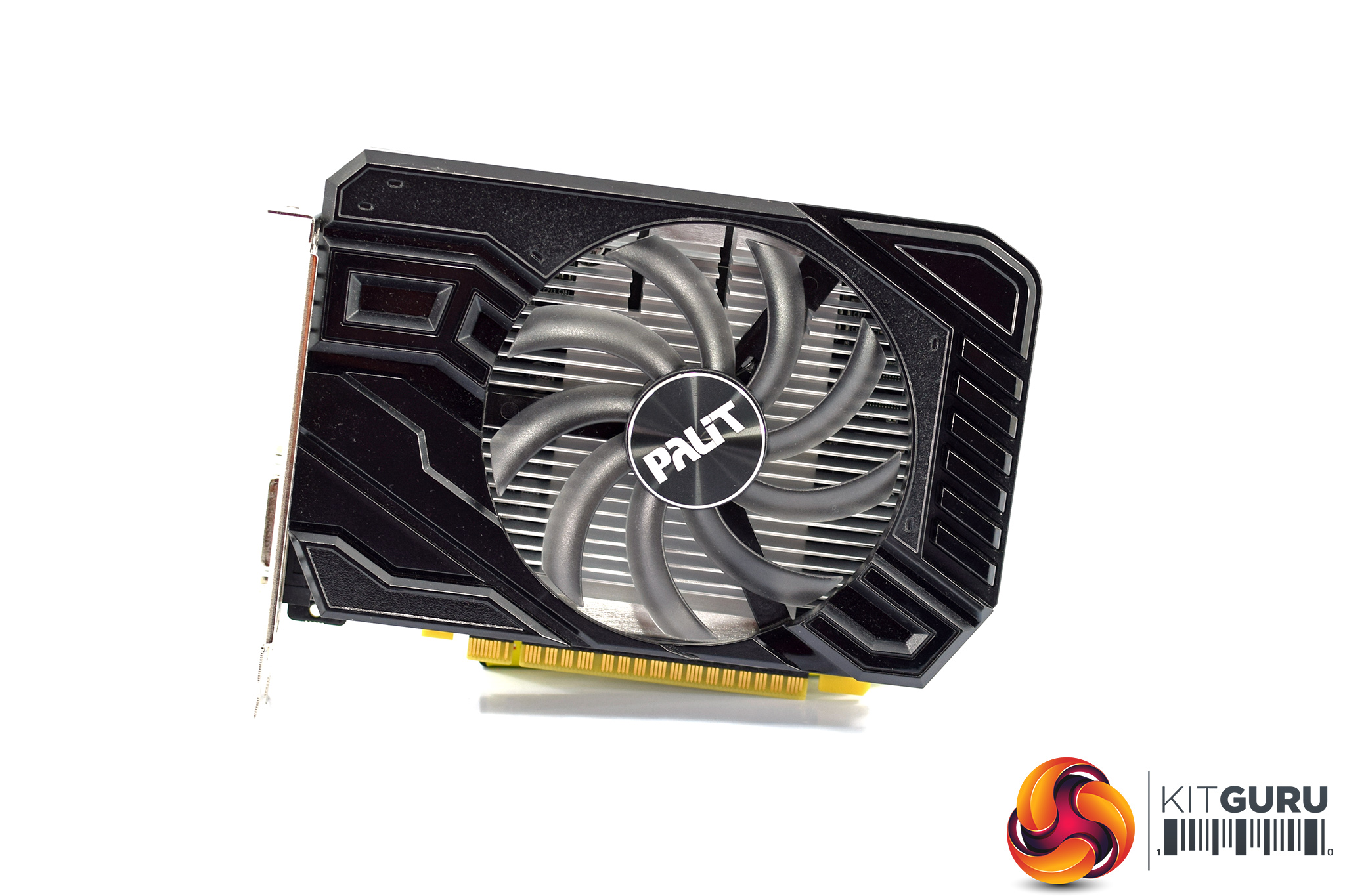
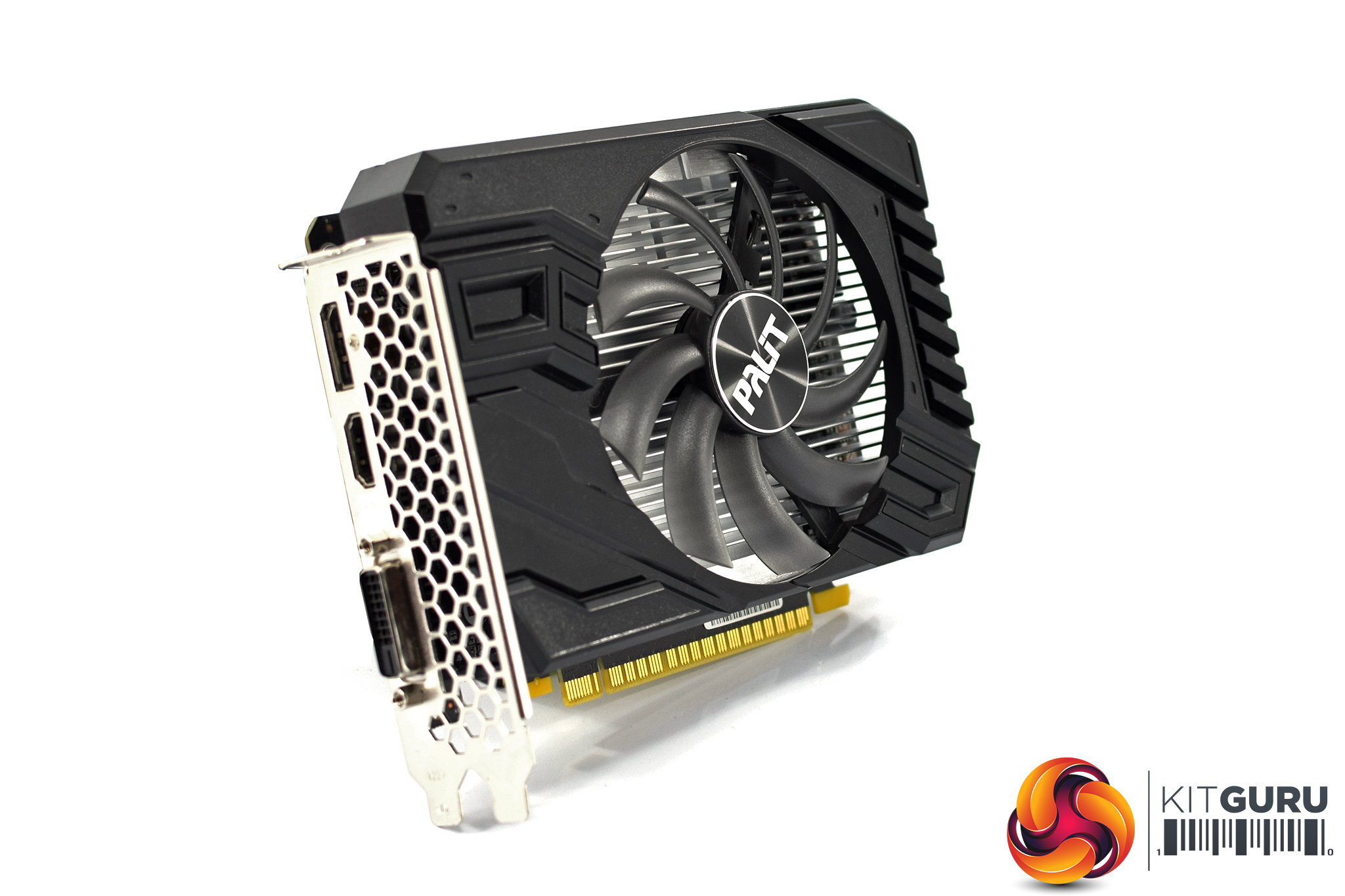
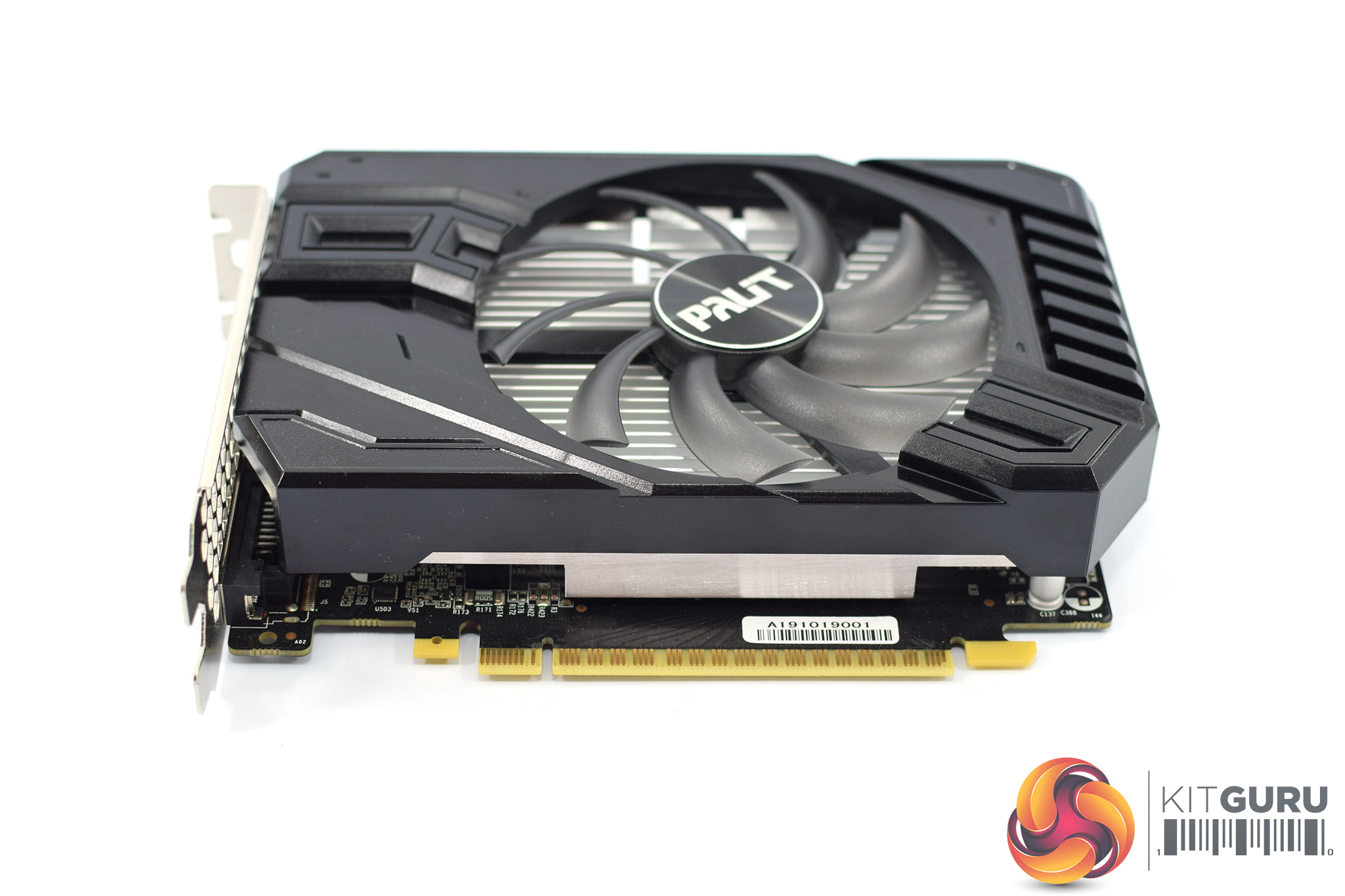
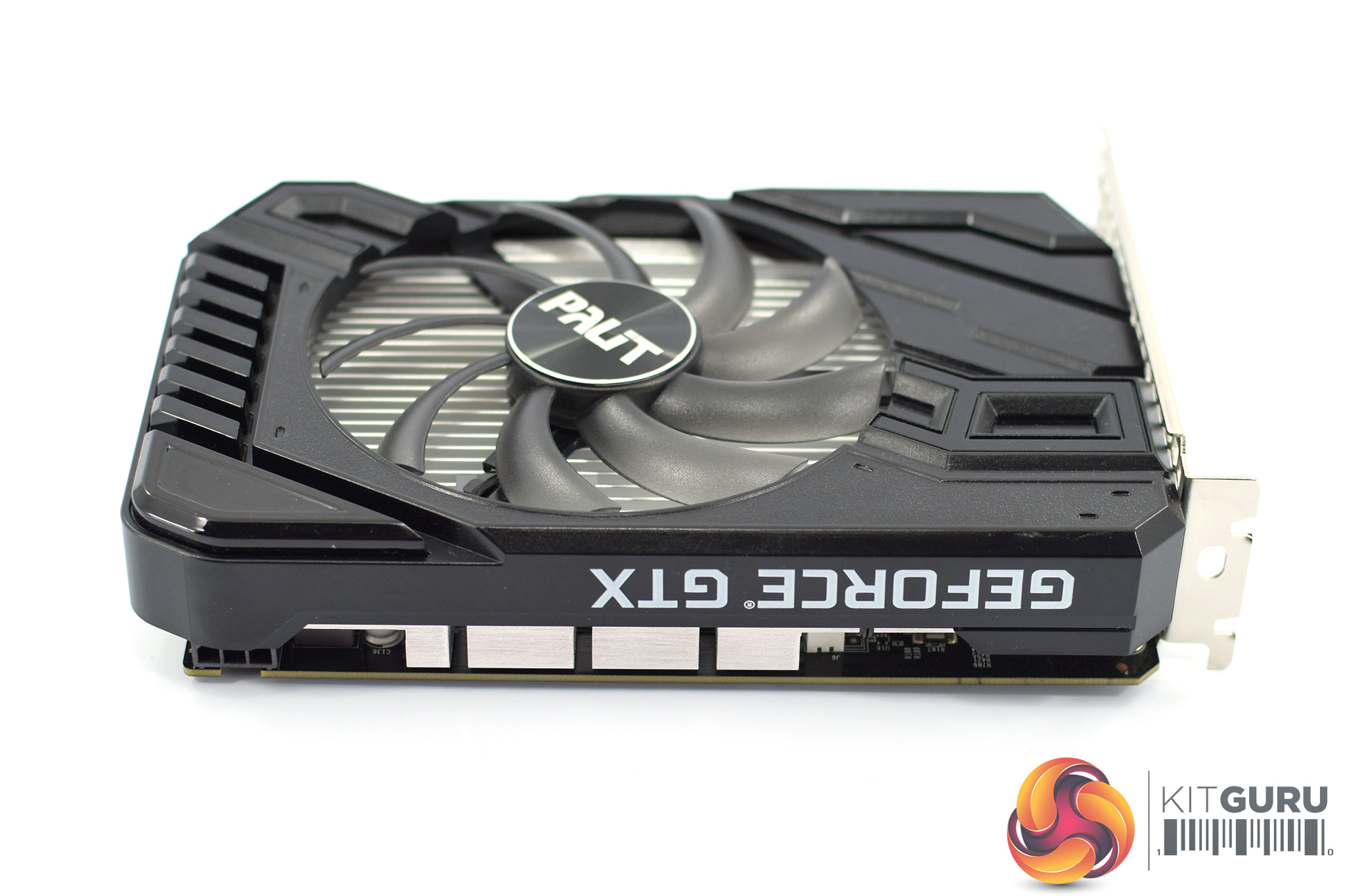
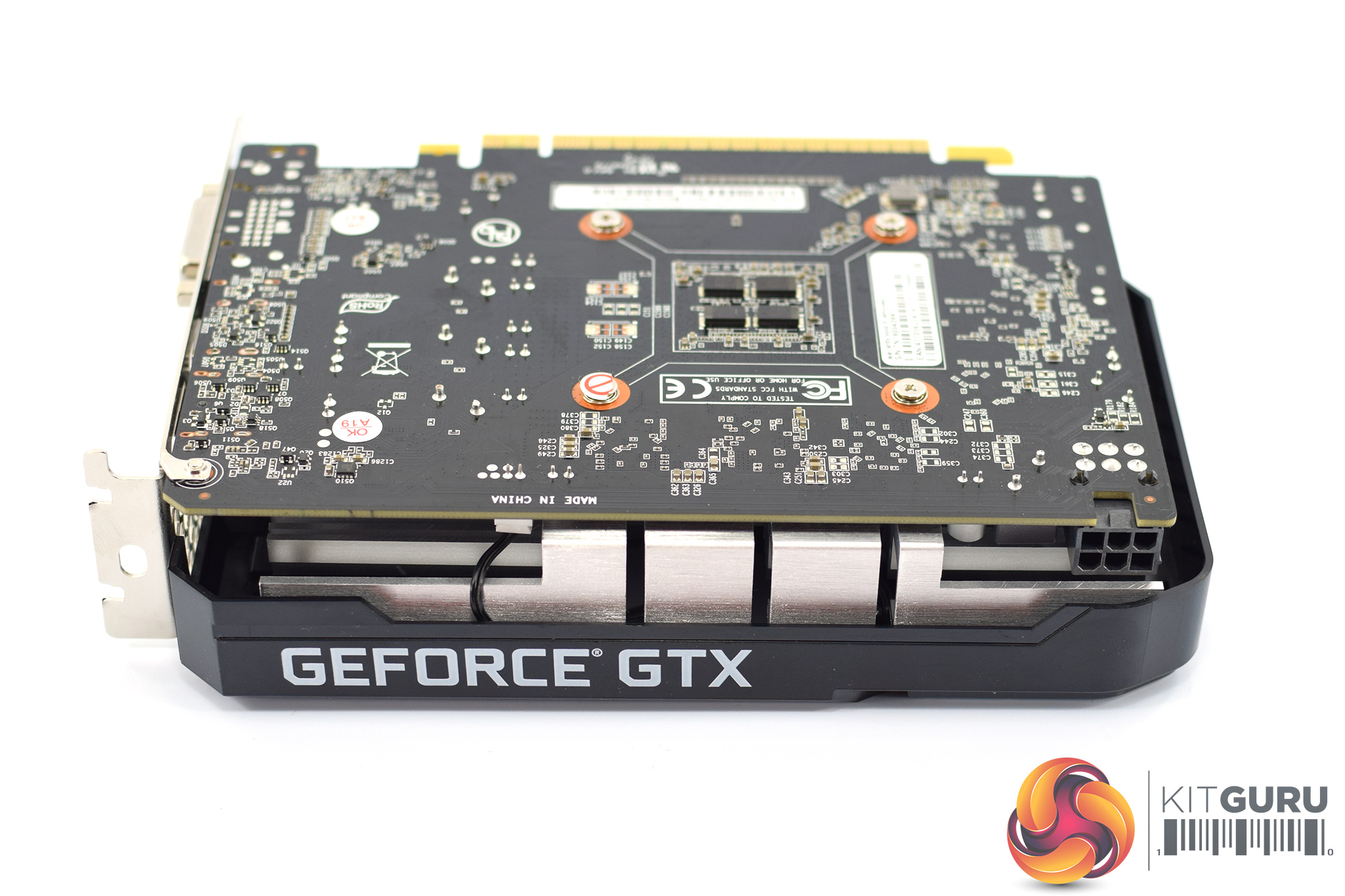
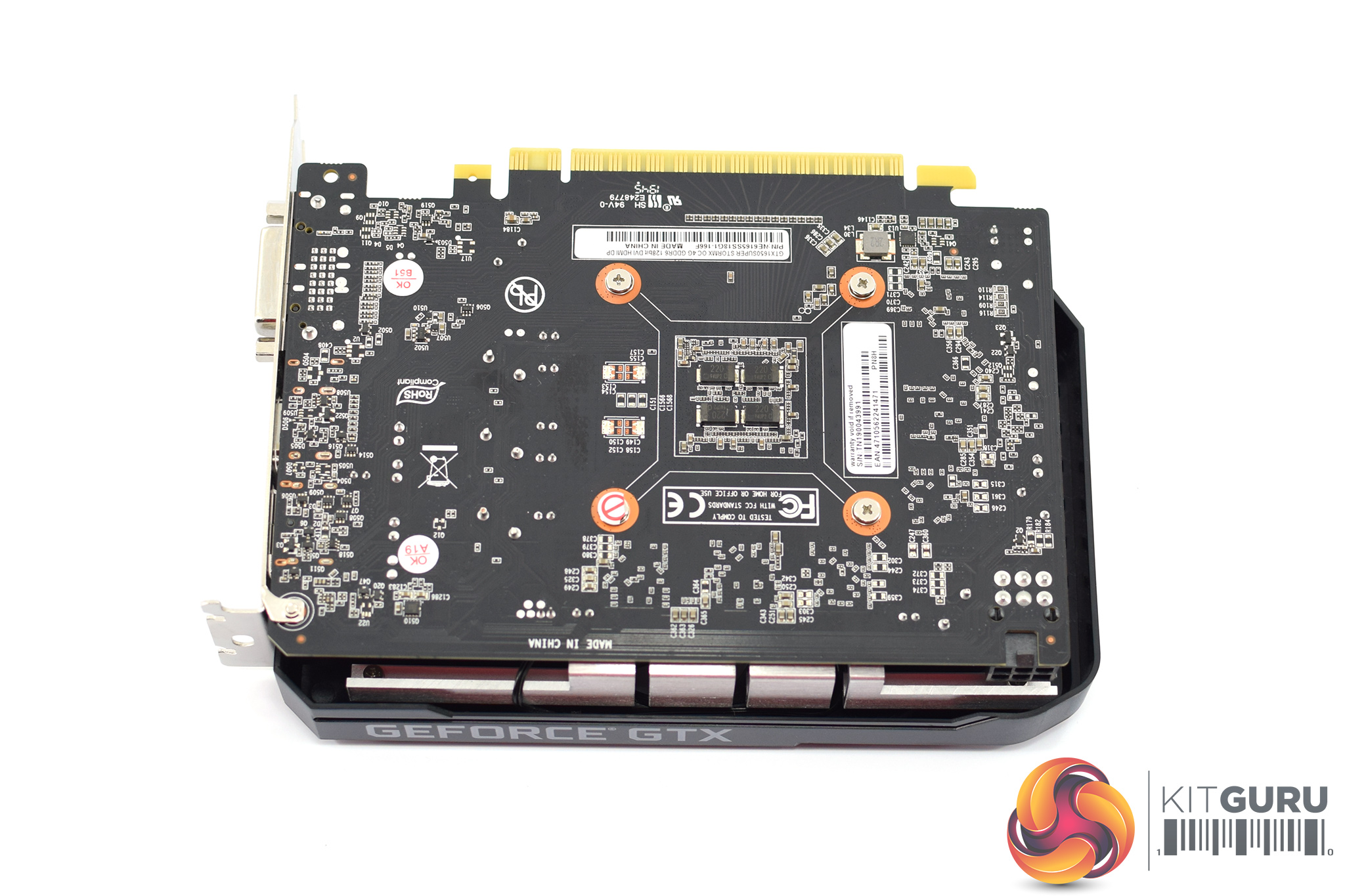
The smallest of the bunch is Palit's GTX 1650 Super. With a single 100mm fan, this card measures just 168 x 122 x 40 mm, making it perfectly suited for cases where space is at a premium. It's perhaps not the most exciting card to look at, and Palit is clearly going for a ‘bang-for-buck' approach as there is also no backplate, but the glossy plastic shroud isn't hideous.
One thing also worth making clear about 1650 Super is it does require a 6-pin power connector, unlike the vanilla GTX 1650 which could draw all its power through the PCIe slot.